The journey a customer takes on your website culminates in one critical moment. They have browsed your products, added items to their cart, and clicked the checkout button. What happens next determines if you make a sale or lose a customer. A seamless payment process is essential for building trust and ensuring repeat business.
Understanding how money moves from a customer’s bank account to your merchant account can seem complicated. However, the technology behind this process is highly structured and designed to protect everyone involved. Payment gateway solutions act as the digital bridge connecting your online store to the financial networks that process transactions. They handle the heavy lifting of security, data routing, and authorization.
Reading this guide will give you a clear understanding of how these systems operate behind the scenes. We will explore the mechanics of a transaction, the security measures that keep data safe, and the reasons why selecting the right infrastructure is vital for your growth. We will also highlight how partnering with experts like SanMo BD can simplify this technical landscape and help you optimize your e-commerce operations.
What Are Payment Gateway Solutions?
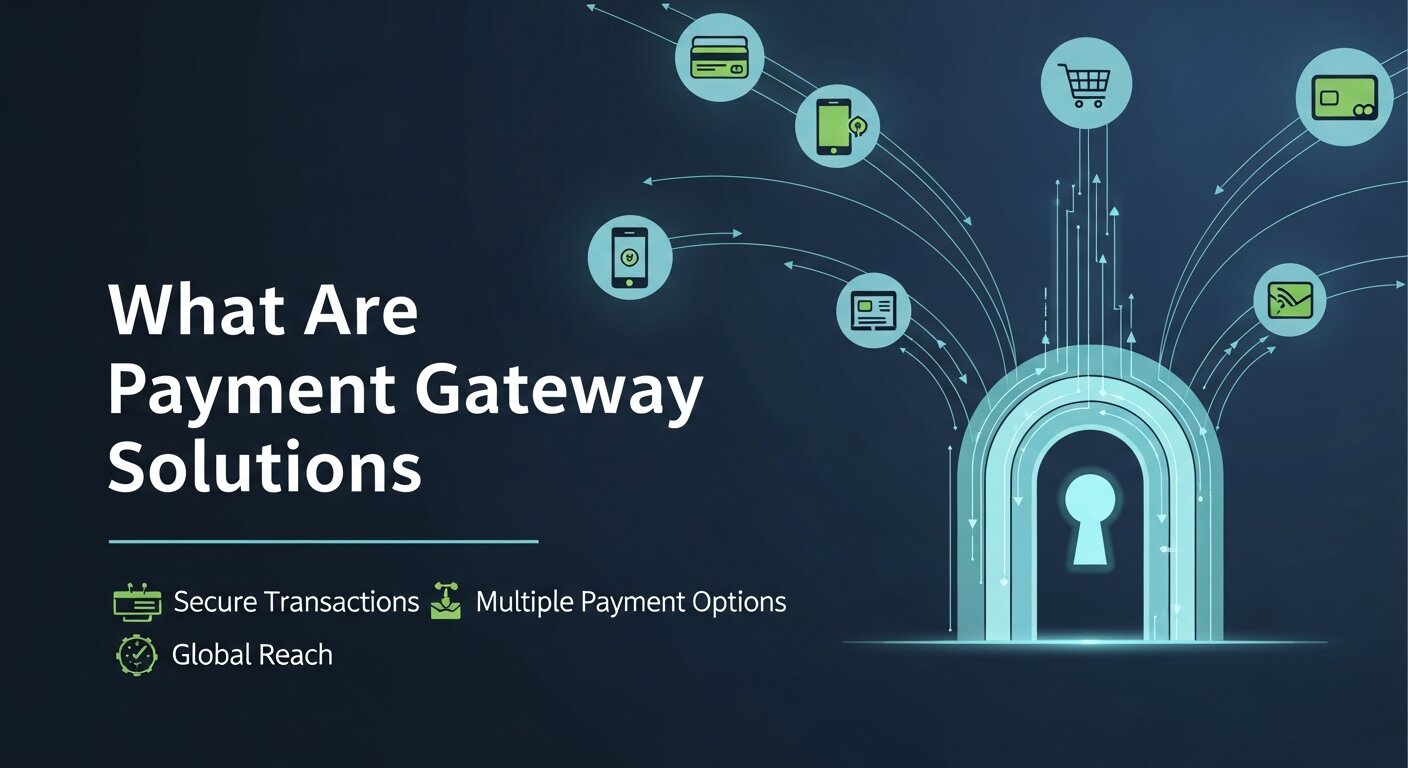 A payment gateway is software that facilitates the communication of transaction information. It sits between an e-commerce website and the bank that processes the payment. When a customer enters their credit card details, the gateway securely transmits this sensitive data to the relevant financial institutions.
Think of it as the digital equivalent of a physical point-of-sale terminal you see in retail stores. Without this technology, online businesses would have no secure way to verify customer funds or authorize transactions. Payment gateway solutions ensure that the funds are available and that the transaction is legitimate before giving the green light.
These platforms come in various forms. Some redirect customers to a separate secure page to complete the transaction. Others allow customers to stay on your website throughout the entire process. The right choice depends on your technical capabilities and the type of user experience you want to provide.
The Journey from Checkout to Confirmation
Every time a customer makes a purchase, a complex sequence of events occurs in a matter of seconds. Here is a step-by-step breakdown of how payment gateway solutions process a typical online order.
Step 1: Data Encryption and Submission
The customer finalizes their order and enters their credit or debit card information. The web browser encrypts this data immediately. Encryption scrambles the sensitive details so that nobody can read them during transmission. The encrypted data travels from your website to the payment gateway.
Step 2: Routing to the Payment Processor
The payment gateway receives the encrypted information. It then forwards the transaction data to your designated payment processor. The processor is the financial institution that handles the actual movement of money.
Step 3: Authorization Request
The payment processor sends an authorization request to the specific credit card network, such as Visa or Mastercard. The card network routes this request to the customer’s issuing bank. The issuing bank checks two things: the availability of funds and the legitimacy of the transaction.
Step 4: Approval or Decline
The issuing bank decides whether to approve or decline the transaction based on the account balance and security checks. It sends this response back through the card network to the payment processor.
Step 5: Final Confirmation
The payment processor relays the approval or decline status to the payment gateway. The gateway then communicates this result to your website. If approved, the customer sees a confirmation page. If declined, the customer receives an error message prompting them to try another payment method. All of this happens in about three seconds.
Essential Security Features
Security is the most important aspect of processing online payments. Cybercriminals constantly look for vulnerabilities in e-commerce sites. Reliable payment gateway solutions utilize several advanced technologies to protect sensitive information.
PCI DSS Compliance
The Payment Card Industry Data Security Standard (PCI DSS) is a set of rules designed to ensure that all companies accept, process, store, or transmit credit card information in a secure environment. Using a compliant payment gateway shifts much of the regulatory burden away from your business.
Tokenization
Tokenization replaces sensitive card details with a unique string of characters called a token. Even if hackers intercept a token, they cannot use it to decipher the original credit card number. This method allows customers to save their payment details securely for future purchases.
Fraud Detection and Prevention
Modern payment gateway solutions include built-in fraud prevention tools. They use machine learning to analyze transaction patterns and flag suspicious activity. Features like Address Verification System (AVS) and Card Verification Value (CVV) checks add extra layers of defense against unauthorized purchases.
Choosing the Right Infrastructure for Your Business
Selecting a gateway requires careful consideration of your specific business needs. A platform that works perfectly for a small boutique might not handle the volume of a massive international retailer.
Consider the transaction fees associated with different providers. Most charge a percentage of the sale plus a fixed flat fee per transaction. High-volume businesses often negotiate lower percentage rates.
Compatibility is another crucial factor. The gateway must integrate smoothly with your existing e-commerce platform, shopping cart software, and accounting systems. Poor integration leads to technical glitches and abandoned carts.
Customer support quality can make or break your experience. If your payment system goes down during a major sales event, you need immediate technical assistance. Look for providers that offer round-the-clock support.
Optimizing Your Checkout with SanMo BD
Navigating the complexities of payment processing can overwhelm business owners. This is where SanMo BD steps in. SanMo BD specializes in helping companies implement and optimize robust payment gateway solutions.
SanMo BD works closely with businesses to understand their unique requirements. They analyze your target audience, sales volume, and technical infrastructure to recommend the best setup. A poorly optimized checkout process frustrates customers and hurts your bottom line. SanMo BD ensures that your payment flow is logical, secure, and fast.
By partnering with SanMo BD, you gain access to industry expertise and ongoing support. They help you stay updated on the latest security standards and payment trends. This allows you to focus on developing your products and marketing your brand, knowing that your financial transactions are in capable hands.
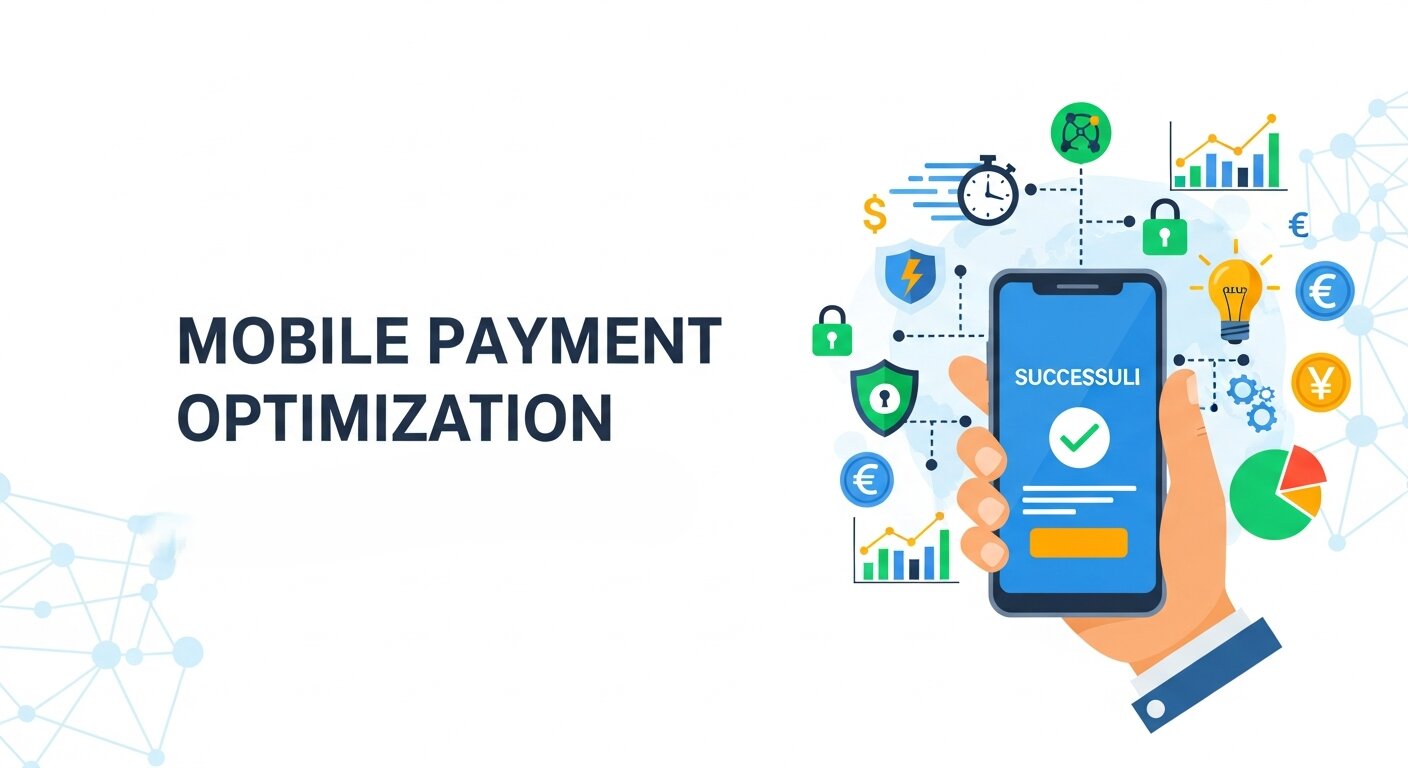 With the rise of mobile commerce, optimizing your payment gateway for smartphones is no longer optional. A large portion of online shoppers now complete purchases using mobile devices. If your checkout process is not mobile-friendly, you risk losing valuable customers. Payment gateway solutions must support responsive design, fast loading speeds, and simplified input fields. Features like digital wallets and one-click payments enhance convenience for users. Mobile optimization also improves conversion rates by reducing friction during checkout. Businesses that prioritize mobile payment experiences stay competitive and meet the expectations of modern consumers who demand speed and ease in every transaction.
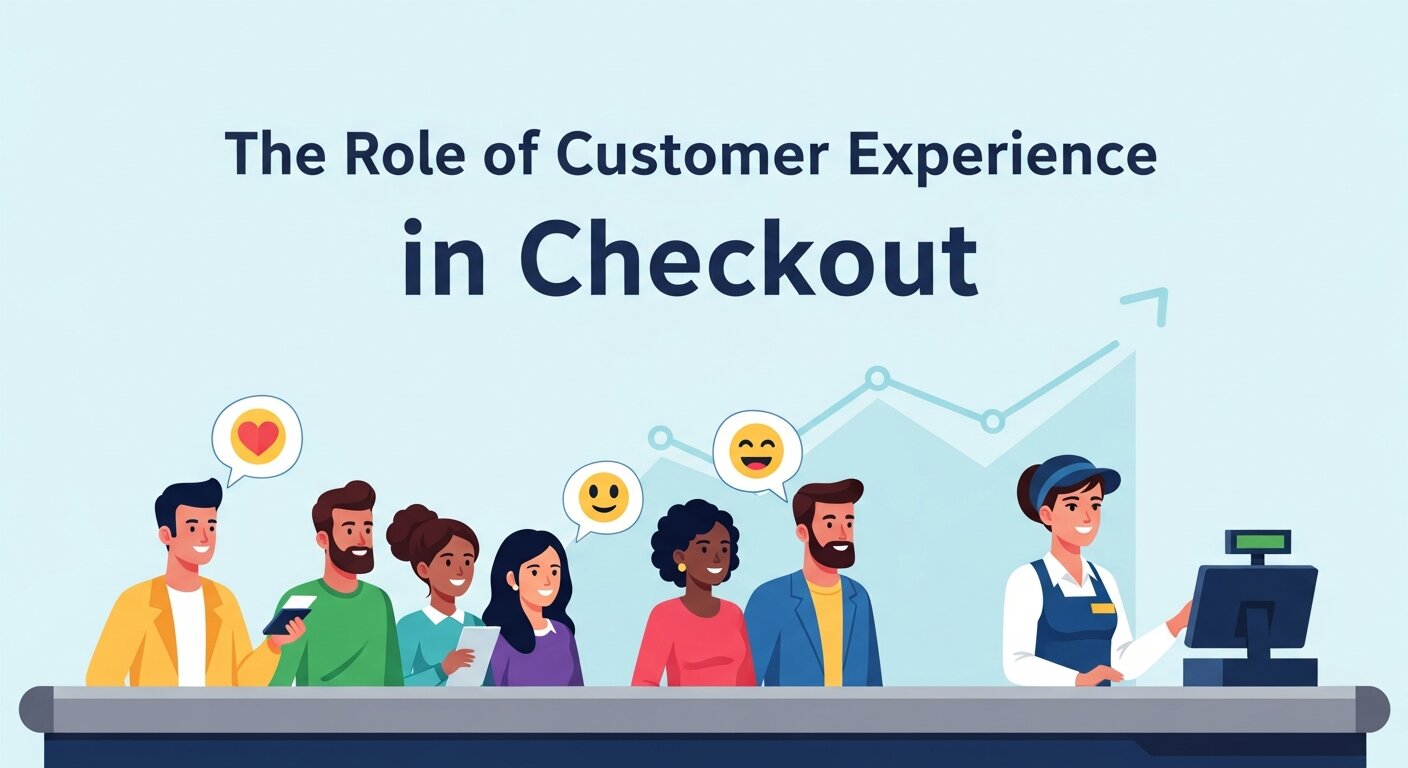 Customer experience plays a crucial role in the success of your payment process. A complicated or slow checkout can frustrate users and lead to abandoned carts. Payment gateway solutions should provide a smooth and intuitive experience from start to finish. Clear instructions, minimal steps, and fast processing times make a significant difference. Features like guest checkout and saved payment details add convenience for returning customers. Transparency about pricing and security also builds trust. When customers feel confident and comfortable during checkout, they are more likely to complete their purchases. A positive payment experience directly impacts customer retention and brand loyalty.
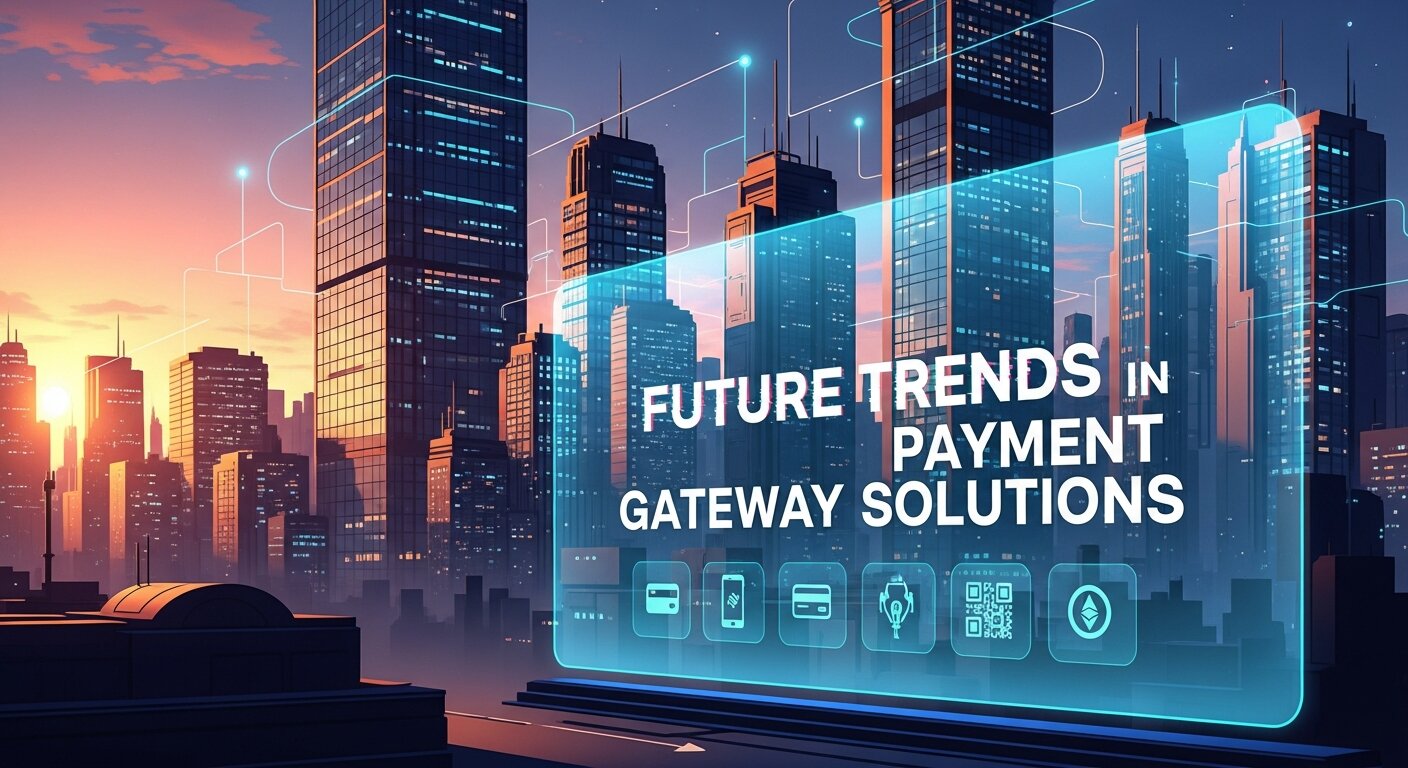 The payment industry is evolving rapidly with new technologies shaping the future of transactions. Innovations like biometric authentication, artificial intelligence, and blockchain are transforming payment gateway solutions. Contactless payments and digital wallets continue to grow in popularity. Businesses must stay updated with these trends to remain competitive. Customers increasingly expect faster, safer, and more personalized payment experiences. Adapting to new technologies can improve efficiency and reduce fraud risks. Forward-thinking companies invest in modern payment systems that scale with their growth. By embracing these advancements, businesses can provide seamless and secure transactions while staying ahead in the competitive e-commerce landscape.
Frequently Asked Questions (FAQ)
What is the difference between a payment gateway and a payment processor?
A payment gateway securely transmits transaction data from your website to the financial networks. A payment processor executes the actual transaction by moving funds between the customer’s bank and your merchant account. You typically need both to accept online payments.
Do I need a merchant account to use a payment gateway?
Yes, in most cases. A merchant account is a specific type of bank account that allows businesses to accept payments by payment cards. Some modern solutions bundle the gateway and the merchant account into a single service for easier setup.
How long does it take for funds to reach my bank account?
Settlement times vary depending on the provider and the type of transaction. Generally, funds appear in your business bank account within one to three business days after the transaction is approved.
Can payment gateway solutions handle international transactions?
Most major payment gateways support international payments. They can accept different currencies and process transactions from various countries. However, you should check the specific fees for cross-border transactions, as they are usually higher than domestic rates.
What happens if a customer requests a refund?
When you initiate a refund through your e-commerce dashboard, the gateway sends a request to the processor to reverse the transaction. The funds are then pulled from your merchant account and returned to the customer’s card. This process can take a few days to reflect on the customer’s bank statement.
Taking the Next Step in E-commerce
A reliable checkout experience is the foundation of a successful online business. When customers feel confident that their payment information is secure, they are much more likely to complete their purchases. Understanding the mechanics of payment gateway solutions helps you make informed decisions about your technical infrastructure.
Security, speed, and reliability should drive your technology choices. As your business grows, your payment systems must scale with you. Working with dedicated professionals can eliminate the guesswork from this process.
Reach out to SanMo BD to evaluate your current checkout flow. Their team can help you implement payment gateway solutions that protect your data, delight your customers, and support your long-term success.