Building a website and publishing a few blog posts used to be enough to capture search engine traffic. You could write an article, place a few strategic keywords, and watch the visitors roll in. Those days are long gone. Search engines have grown incredibly smart, and user expectations have skyrocketed. Simply showing up is no longer enough to build a reliable digital footprint.
Advanced content optimization represents the modern approach to digital success. This process goes far beyond basic keyword placement. It involves aligning your digital assets with complex search algorithms, understanding nuanced user intent, and delivering an unmatched user experience. When executed correctly, this strategy creates a compounding effect, generating consistent traffic and conversions over months and years.
Achieving sustainable online growth requires a meticulous, data-driven approach. You need to analyze how people search, what they expect to find, and how they interact with your pages. SanMo BD specializes in turning these complex variables into clear, actionable strategies. By applying advanced optimization techniques, businesses can build authority, outpace competitors, and secure a lasting position at the top of search results.
The Evolution of Search and User Intent
Search engines continuously update their algorithms to provide the best possible answers to user queries. Understanding this evolution is the first step in upgrading your digital strategy.
Moving Beyond Basic Keywords
Early search engine optimization relied heavily on exact-match keywords. Content creators would repeat specific phrases to trick search engines into ranking their pages higher. Modern algorithms penalize this behavior. Google and other search engines now use natural language processing to understand the context and meaning behind the words on a page.
Advanced content optimization requires writing for humans first. You must use related terms, synonyms, and natural phrasing. This semantic approach helps search engines understand the depth and expertise of your content, leading to better rankings across a wider variety of search queries.
Matching Search Intent with Context
Every search begins with a specific goal. Some users want to buy a product, while others want to learn a new skill or find a specific website. If your content does not satisfy the user’s underlying goal, your rankings will suffer.
Search intent generally falls into four categories: informational, navigational, commercial, and transactional. Advanced content optimization requires you to identify the intent behind your target topics and structure your pages accordingly. If someone searches for a “how-to” guide, they expect clear steps and actionable advice, not a sales pitch. Meeting these expectations keeps users on your site longer, sending positive signals to search engines.
Core Pillars of Advanced Content Optimization
Building a sustainable online presence requires a multi-faceted approach. You must address the content itself, the technical structure supporting it, and the overall experience provided to the user.
Semantic Search and Topic Clusters
Publishing isolated articles on random subjects dilutes your website’s authority. To build real traction, you need to organize your content into topic clusters. This involves creating a comprehensive “pillar” page that covers a broad subject, supported by multiple specific “cluster” articles that link back to the main page.
This interconnected structure proves to search engines that you possess deep expertise in your field. It also helps users navigate your site and find related information easily. SanMo BD utilizes detailed topic mapping to build these authoritative clusters, ensuring every piece of content supports your broader growth goals.
Technical SEO and Page Performance
Great writing cannot overcome a broken website. Technical SEO ensures that search engines can crawl, index, and understand your pages without errors. This includes optimizing your site structure, using clean code, and ensuring mobile responsiveness.
Page speed plays a massive role in both search rankings and user retention. If a page takes more than a few seconds to load, most visitors will leave before reading a single word. Advanced content optimization involves compressing images, leveraging browser caching, and minimizing heavy scripts to deliver lightning-fast experiences.
User Experience (UX) as a Ranking Factor
Search engines actively measure how users interact with your website. Metrics like bounce rate, time on page, and click-through rate heavily influence your position in search results. A frustrating user experience will quickly tank your rankings.
Optimizing for UX means using clear typography, breaking up large blocks of text with headings, and utilizing high-quality visuals. Navigation should be intuitive. Every element on the page should guide the reader naturally from the introduction to the final call to action.
How SanMo BD Drives Sustainable Online Growth
 Implementing these advanced techniques requires specialized knowledge and continuous effort. SanMo BD partners with businesses to transform their digital content into powerful growth engines.
Data-Driven Content Strategies
Guesswork has no place in a modern digital strategy. SanMo BD begins every campaign with an exhaustive audit of your current assets, market landscape, and competitor performance. We identify content gaps and uncover high-value opportunities that others have missed.
By relying on hard data, we develop content roadmaps that target the right audience with the right message at the right time. This precision maximizes the return on your content investment and builds a reliable pipeline of qualified traffic.
Continuous Auditing and Updating
The internet is never static. An article that ranks number one today might drop to page two next year if it becomes outdated. Advanced content optimization requires a commitment to continuous improvement.
SanMo BD regularly reviews and refreshes existing content. We update statistics, add new insights, and refine formatting to ensure your pages remain relevant and authoritative. This proactive maintenance protects your search rankings and extends the lifespan of your digital assets.
Measuring the Impact of Optimized Content
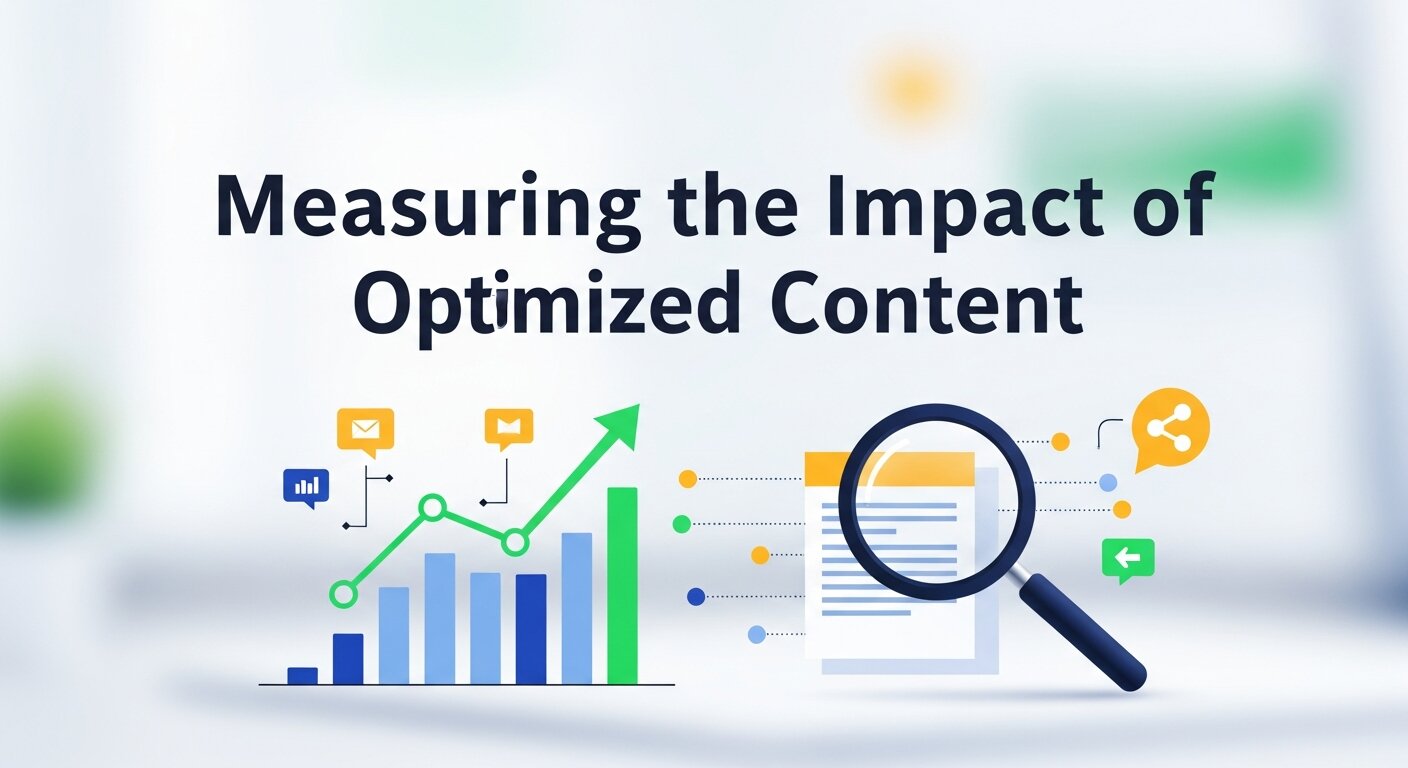 To achieve sustainable online growth, you must track your progress and adjust your tactics based on real-world feedback.
Key Performance Indicators (KPIs) to Track
Traffic volume is important, but it only tells part of the story. To gauge the true effectiveness of your advanced content optimization efforts, you need to monitor a variety of KPIs.
Track your organic conversion rates to see if your content is actually driving business results. Monitor keyword ranking movements to ensure your topic clusters are gaining authority. Analyze user engagement metrics to verify that your audience finds your content valuable and easy to read.
Adapting to Algorithm Changes
Search engines update their algorithms thousands of times a year. While most updates are minor, major core updates can significantly impact your visibility. A solid foundation built on advanced content optimization provides the best defense against algorithmic volatility. By focusing on high-quality content, excellent user experience, and technical excellence, you build a resilient digital presence that can weather industry shifts.
The Role of AI in Advanced Content Optimization
Artificial intelligence has transformed how businesses approach digital content strategies. AI-powered tools analyze massive amounts of search data, identify trending topics, and uncover hidden keyword opportunities much faster than manual research methods. Advanced content optimization now involves leveraging AI to improve readability, predict user behavior, and personalize content experiences for different audiences. These systems can also detect gaps in competitor strategies, helping brands create stronger and more relevant content. However, AI works best when combined with human creativity and industry expertise. Businesses that rely solely on automation often produce generic material lacking emotional connection and originality. A balanced strategy using AI insights alongside expert editorial oversight creates more engaging, search-friendly content that supports long-term online growth and audience retention.
Optimizing Content for Voice Search Queries
Voice search continues to grow rapidly as users rely more on smartphones, smart speakers, and virtual assistants. People speak differently than they type, which means voice search queries are usually longer and more conversational. Advanced content optimization requires adapting content to match these natural language patterns. Businesses should focus on answering direct questions clearly while incorporating conversational phrases into headings and body text. Featured snippets and FAQ sections often perform exceptionally well for voice search because search engines prioritize concise, informative answers. Fast-loading mobile-friendly websites also improve voice search visibility significantly. By optimizing for spoken search behavior, businesses can capture a growing segment of users who prefer hands-free digital interactions and conversational browsing experiences.
Content Freshness and Its Impact on Rankings
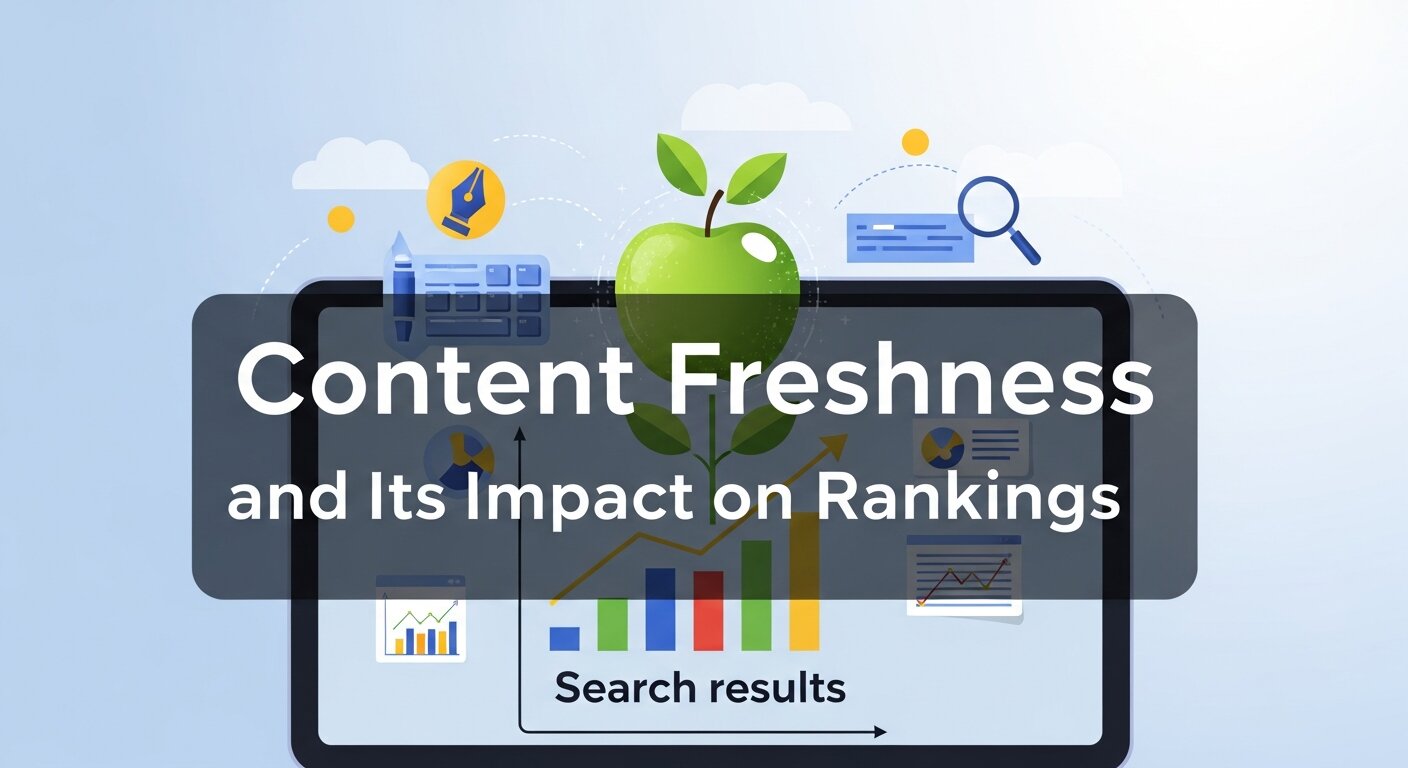 Search engines prioritize fresh and updated content because users expect current and accurate information. An outdated article with old statistics or broken links can quickly lose authority and rankings over time. Advanced content optimization involves regularly auditing pages to ensure all information remains relevant and valuable. Updating articles with new examples, recent data, and expanded insights signals to search engines that your website remains active and trustworthy. Fresh content also encourages repeat visits from readers who want updated industry knowledge. Businesses that maintain an ongoing content refresh strategy often outperform competitors who neglect older pages. Consistent updates improve user trust, increase engagement metrics, and strengthen long-term search engine visibility across competitive industries.
Internal Linking Strategies for Better Authority
Internal linking is one of the most overlooked aspects of advanced content optimization. Properly linking related pages together helps search engines understand your website structure and distribute authority more effectively. Strong internal linking also improves user navigation by guiding visitors toward additional valuable resources. Instead of leaving users at a dead end, strategic links encourage deeper exploration and longer session durations. Search engines interpret these behavioral signals as indicators of content quality and relevance. Effective internal linking should connect pillar pages with supporting articles naturally within the content. Businesses that build strong internal linking systems create a more organized digital ecosystem, improve indexing efficiency, and strengthen the authority of important pages across their websites.
The Importance of Mobile-First Optimization
Most internet users now access websites primarily through mobile devices rather than desktop computers. Search engines have adapted to this shift by prioritizing mobile-first indexing when evaluating websites. Advanced content optimization requires ensuring every page functions perfectly across smartphones and tablets. Responsive design, fast mobile loading times, and easy-to-read layouts significantly improve user experience and search visibility. Large buttons, compressed images, and simplified navigation help mobile visitors engage more comfortably with content. Websites that ignore mobile optimization often suffer from higher bounce rates and reduced rankings. A seamless mobile experience not only satisfies search engine requirements but also increases conversions, engagement, and customer satisfaction in an increasingly mobile-driven digital landscape.
Enhancing Engagement Through Multimedia Content
Modern users expect more than plain text when consuming digital content. Multimedia elements such as videos, infographics, animations, podcasts, and interactive visuals improve engagement and make information easier to understand. Advanced content optimization incorporates multimedia strategically to capture attention and encourage longer page visits. Visual content breaks up large text sections and creates a more dynamic reading experience for visitors. Search engines also recognize improved engagement metrics generated by interactive content formats. Businesses that combine written expertise with compelling multimedia often achieve stronger social sharing and better audience retention. Integrating multiple content formats allows brands to connect with different learning styles while creating richer and more memorable online experiences for their target audiences.
Building Brand Authority Through Expert Content
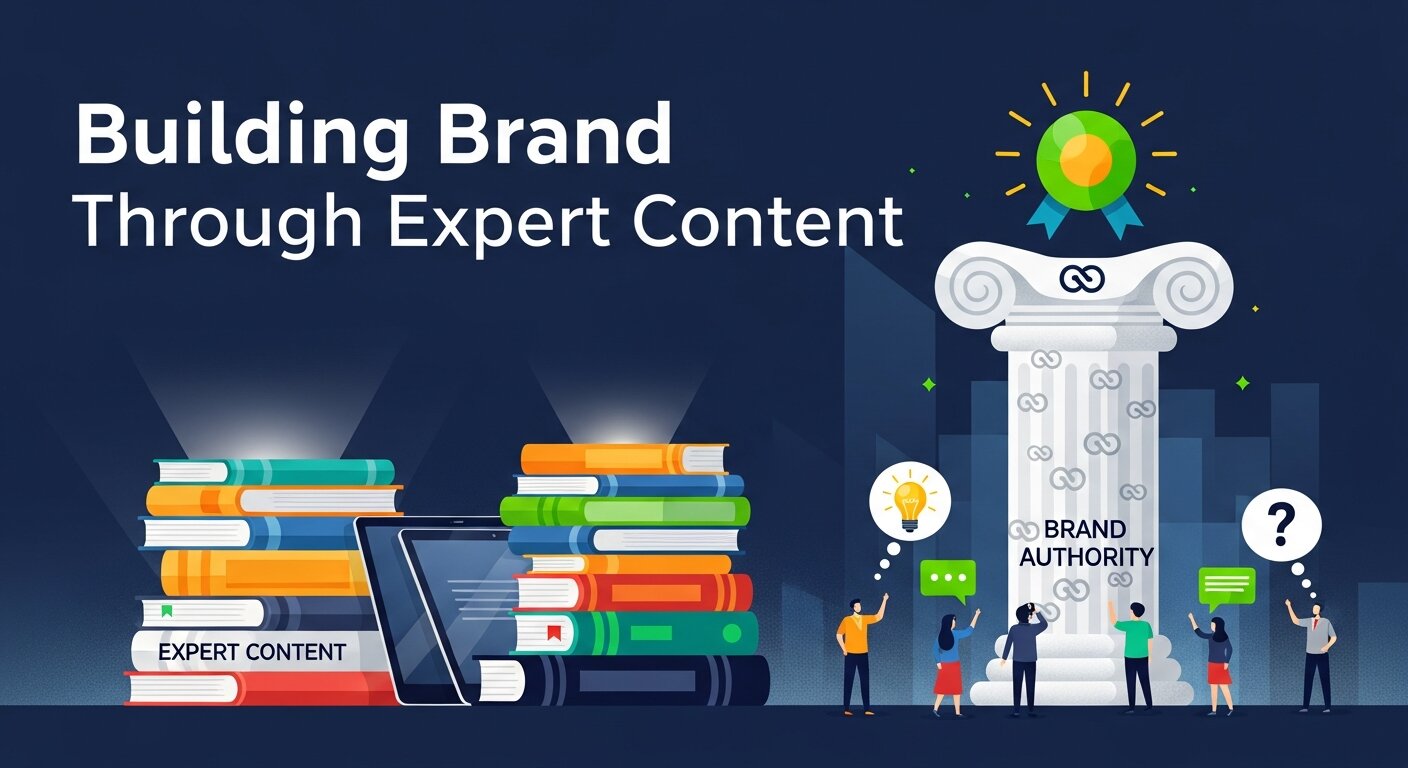 Authority has become one of the most important ranking factors in competitive search environments. Search engines prioritize content created by knowledgeable and trustworthy sources because users demand accurate information. Advanced content optimization focuses on establishing expertise through detailed research, professional insights, and consistent publishing quality. Businesses can strengthen authority by creating comprehensive guides, case studies, original research, and expert commentary within their industry niche. High-authority content naturally attracts backlinks, shares, and citations from other websites, further improving search visibility. Building authority requires patience and consistency, but the long-term benefits are substantial. Brands recognized as industry leaders experience higher trust levels, stronger customer loyalty, and sustainable growth in both organic traffic and online reputation.
Frequently Asked Questions
What makes optimization “advanced”?
Basic optimization focuses on placing keywords in titles and text. Advanced optimization addresses semantic search, topic clustering, technical performance, user experience, and search intent alignment. It treats content as a comprehensive ecosystem rather than isolated web pages.
How often should I update my content?
Review your highest-performing pages at least once every six months. Update outdated statistics, fix broken links, and add new sections to address emerging trends. Regular updates signal to search engines that your website is active and relevant.
How long does it take to see results?
Content optimization is a long-term strategy. While technical fixes can yield quick improvements, building topical authority and climbing search rankings generally takes three to six months. The results compound over time, leading to sustainable growth.
Propel Your Digital Presence Forward
Relying on outdated SEO tactics will leave your business struggling for visibility. Embracing advanced content optimization is the only reliable way to capture attention, build authority, and drive sustainable online growth. By aligning your strategy with user intent and technical excellence, you transform your website into a powerful asset that works for you around the clock.
Ready to elevate your digital strategy? Partner with SanMo BD to implement advanced optimization techniques that deliver measurable, lasting results. Stop chasing algorithms and start building a digital presence that commands attention.