Posting consistently and hoping for the best isn’t a strategy—it’s a guessing game. Yet that’s exactly how many businesses approach their social media. They share content, watch the likes trickle in, and wonder why their efforts never seem to translate into sales or steady growth.
The truth is that effective social media management requires structure, intention, and a willingness to measure what actually matters. When done right, it can build genuine brand loyalty, drive qualified traffic, and turn casual scrollers into paying customers.
This guide walks you through proven social media management strategies that move the needle. Whether you’re a small business owner juggling multiple roles or a marketing professional refining your approach, you’ll find practical tactics you can put to work today. At SanMo BD, we’ve seen firsthand how the right approach transforms scattered posting into measurable business outcomes.
What Is Social Media Management, Really?
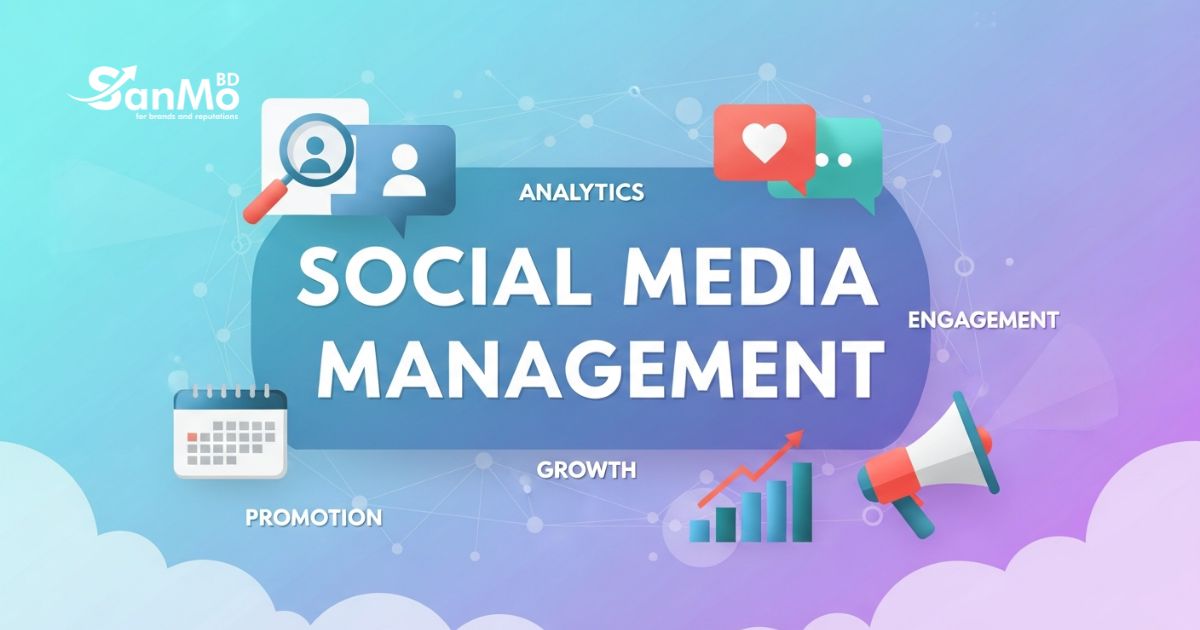
Social media management goes far beyond scheduling a few posts each week. It’s the ongoing process of creating, publishing, analyzing, and optimizing content across platforms to meet specific business goals.
A complete social media management strategy includes content planning, community engagement, performance tracking, and continuous refinement. It’s part creative work, part data analysis, and part customer service. The brands that succeed treat all three elements as equally important.
Think of it this way: creating a great post is only the beginning. What you do before publishing (research and planning) and after publishing (engagement and analysis) often determines whether that post delivers real results.
Start With Clear, Measurable Goals
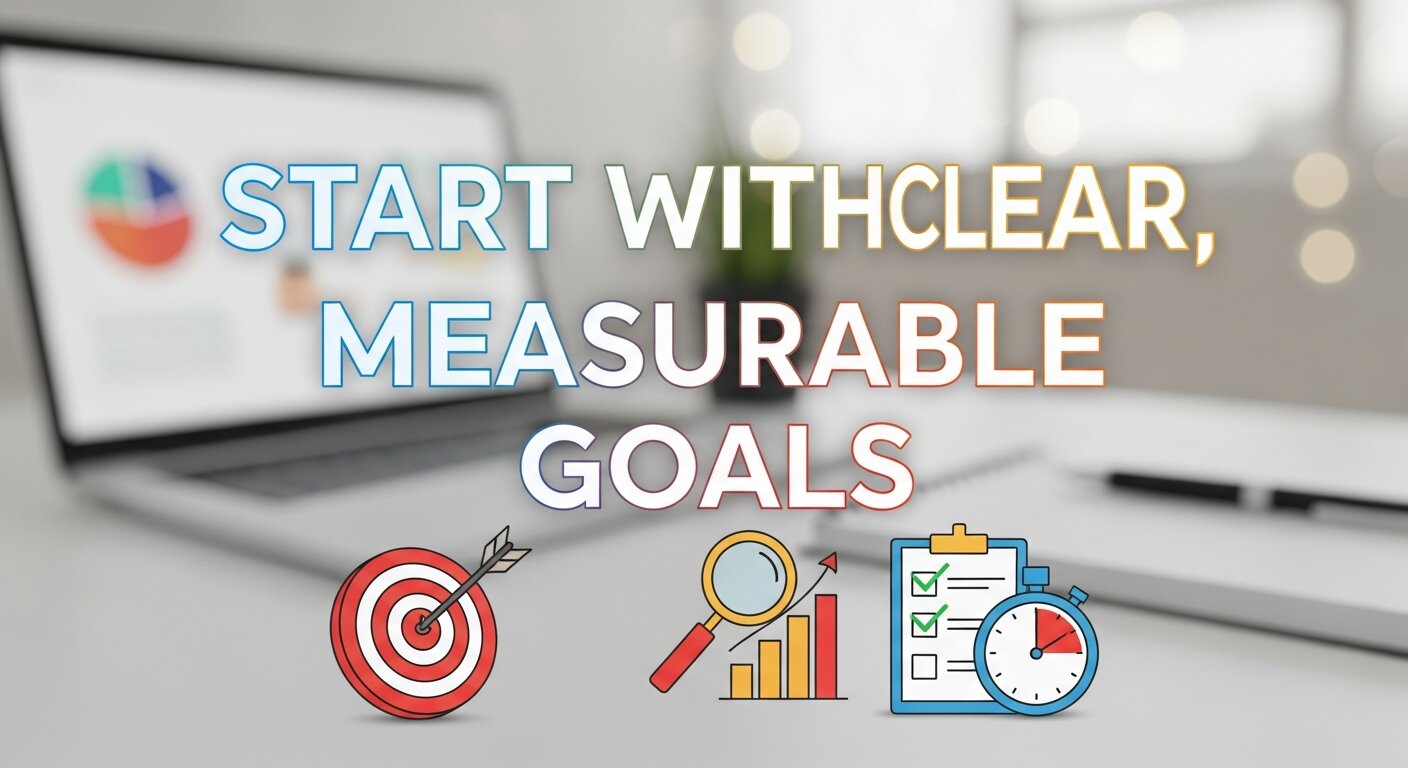 You can’t manage what you don’t measure, and you can’t measure without goals. Before you create a single piece of content, decide what you’re trying to achieve.
Common social media goals include:
- Brand awareness: Reaching new audiences and increasing visibility
- Engagement: Building active conversations and community around your brand
- Lead generation: Capturing contact details from potential customers
- Sales: Driving direct conversions and revenue
- Customer support: Resolving issues and answering questions quickly
Each goal demands a different approach. A brand awareness campaign might prioritize reach and impressions, while a lead generation push focuses on click-through rates and form completions.
Apply the SMART framework to keep your goals grounded. Instead of “get more followers,” aim for “grow Instagram followers by 20% over the next quarter.” Specific targets make it far easier to know whether your strategy is working.
Know Your Audience Inside and Out
The most beautifully designed post means nothing if it reaches the wrong people. Successful social media management starts with a deep understanding of who you’re trying to reach.
Build Detailed Audience Personas
Create profiles of your ideal customers that go beyond basic demographics. Consider their interests, pain points, online habits, and the platforms they actually use. A B2B software company will find its audience on LinkedIn, while a fashion brand might thrive on Instagram and TikTok.
Use Platform Analytics
Every major platform offers built-in analytics that reveal who’s engaging with your content. Study this data regularly. You may discover that your most active followers differ from who you originally imagined—and that insight can reshape your entire approach.
Choose the Right Platforms (You Don’t Need Them All)
One of the biggest mistakes businesses make is trying to maintain a presence everywhere. Spreading yourself thin across six platforms usually produces mediocre results on all of them.
Instead, focus your energy where your audience spends their time. Here’s a quick breakdown:
- Instagram: Visual brands, lifestyle products, younger demographics
- LinkedIn: B2B, professional services, thought leadership
- Facebook: Broad reach, community building, local businesses
- TikTok: Short-form video, trend-driven content, Gen Z and millennials
- X (Twitter): Real-time updates, news, customer service
Pick two or three platforms that align with your goals and audience, then commit to doing them well. Quality always beats quantity in social media management.
Create a Content Strategy That Connects
 Random posting leads to random results. A documented content strategy keeps your efforts focused and consistent.
Plan Your Content Mix
Variety keeps your audience engaged. A common approach is the 80/20 rule: 80% of your content should inform, educate, or entertain, while only 20% directly promotes your products or services. People follow brands that add value to their feed, not brands that constantly sell.
Mix your formats too. Combine images, videos, carousels, stories, polls, and user-generated content to keep things fresh and discover what your audience responds to best.
Build a Content Calendar
A content calendar is your roadmap. It helps you plan ahead, maintain consistency, and tie your posts to relevant dates, product launches, or campaigns. Planning content in advance also reduces the daily scramble that leads to rushed, low-quality posts.
Prioritize Quality and Authenticity
Audiences have grown skeptical of polished, overly corporate content. Authentic, relatable posts often outperform highly produced ones. Show the people behind your brand, share real stories, and don’t be afraid to let your personality come through.
Engage—Don’t Just Broadcast
Social media is a two-way conversation, not a megaphone. Brands that only push out content miss the entire point of these platforms.
Respond to comments, answer questions, and acknowledge mentions promptly. When someone takes the time to engage with your content, a thoughtful reply shows you’re listening. This kind of interaction builds trust and turns followers into loyal advocates.
Make community management a daily habit. Set aside time each day to reply to messages, join relevant conversations, and engage with content from others in your space. The algorithms reward active accounts, and your audience rewards brands that genuinely care.
Post Consistently (But Don’t Sacrifice Quality)
Consistency signals reliability. When you post regularly, your audience knows what to expect and the platform algorithms take notice. Sporadic posting, on the other hand, makes it hard to build momentum.
That said, consistency doesn’t mean posting for the sake of posting. It’s better to share three excellent posts a week than seven forgettable ones. Find a sustainable rhythm that lets you maintain quality, then stick to it.
Scheduling tools can help enormously here. By batching your content creation and scheduling posts in advance, you free up time for the strategic and engagement work that truly drives results.
Measure What Matters and Adjust
Here’s where many social media efforts fall apart: they never close the loop. Posting without analyzing is like driving with your eyes closed.
Track the Right Metrics
Focus on metrics that connect to your goals rather than vanity numbers. Useful metrics include:
- Engagement rate: How actively people interact with your content
- Reach and impressions: How many people see your posts
- Click-through rate: How often viewers take action
- Conversion rate: How many followers become leads or customers
- Follower growth: How your audience expands over time
A large follower count looks impressive, but it means little if those followers never engage or convert.
Test, Learn, and Refine
Treat your social media as an ongoing experiment. Test different content types, posting times, captions, and calls to action. Pay attention to what works, double down on it, and let go of what doesn’t. The brands that win on social media are those that keep learning and adapting.
Why Professional Social Media Management Pays Off
 Managing social media well takes time, skill, and consistency—three things that are often in short supply for busy business owners. This is where bringing in expertise makes a real difference.
A dedicated social media management approach ensures your strategy stays consistent, your content stays fresh, and your data actually informs your decisions. Rather than scrambling to post something at the last minute, you get a deliberate plan that aligns with your business goals.
At SanMo BD, we focus on building social media strategies that connect brands with the right audiences and produce measurable outcomes. The goal is never just more activity—it’s better results.
How Consistency Builds Long-Term Social Media Success
One of the biggest mistakes businesses make is posting inconsistently. An active, reliable presence keeps your brand visible, strengthens audience relationships, and signals professionalism. Creating a content calendar allows you to plan posts around campaigns, seasonal events, and customer interests without scrambling for ideas at the last minute. Consistency doesn’t mean posting constantly—it means maintaining a schedule your team can realistically sustain. Regular posting also provides more opportunities to test different content formats, identify what resonates with your audience, and improve future campaigns. Over time, these consistent efforts increase engagement, strengthen brand recognition, and create a loyal community that looks forward to hearing from your business. A disciplined posting strategy often delivers better long-term results than occasional bursts of high activity.
Why Community Management Matters as Much as Content
Publishing great content is only one part of successful social media management. Building meaningful relationships with your audience requires active community management. Responding to comments, answering direct messages, acknowledging feedback, and participating in conversations show followers that your business values their opinions. These interactions create trust and encourage stronger customer loyalty while increasing the likelihood that people will recommend your brand to others. Social platforms also tend to reward engagement, giving active accounts greater visibility in users’ feeds. Even addressing negative comments professionally can strengthen your reputation by demonstrating transparency and responsiveness. By treating social media as a two-way conversation instead of a broadcasting platform, businesses create stronger connections that lead to higher engagement, improved customer satisfaction, and lasting brand credibility.
Using Analytics to Improve Every Campaign
 Data is one of the greatest advantages of social media marketing, but only if it’s used effectively. Analytics help you understand which posts generate the most engagement, drive website traffic, and contribute to business goals. Instead of relying on assumptions, you can make informed decisions based on audience behavior and performance trends. Monitoring metrics such as reach, engagement rate, click-through rate, follower growth, and conversions reveals what’s working and what needs improvement. Regular reporting also helps identify the best posting times, preferred content formats, and emerging audience interests. By reviewing analytics consistently, businesses can refine their strategies, eliminate underperforming tactics, and focus resources on initiatives that produce measurable results, ensuring continuous improvement and stronger returns on every campaign.
Staying Flexible in a Changing Social Media Landscape
Social media platforms evolve rapidly, introducing new features, algorithm updates, and changing user behaviors throughout the year. Businesses that remain flexible are better positioned to take advantage of these opportunities while avoiding outdated tactics. Staying informed about platform updates allows you to experiment with new content formats, refine your messaging, and reach audiences in more effective ways. At the same time, it’s important to evaluate every trend carefully rather than following it simply because it’s popular. A successful strategy balances innovation with consistency, ensuring every decision supports your overall business goals. By regularly reviewing your performance, adapting to platform changes, and focusing on your audience’s needs, you can maintain a strong social media presence that continues delivering meaningful growth over the long term.
Frequently Asked Questions
How often should I post on social media?
There’s no universal answer, but consistency matters more than frequency. For most businesses, posting three to five times a week per platform is a solid starting point. Focus on maintaining quality rather than hitting an arbitrary number. It’s better to post less often with great content than to flood your feed with mediocre posts.
How long does it take to see results from social media management?
Social media is a long-term game. While you might notice early engagement within a few weeks, meaningful results—like steady follower growth, increased traffic, and conversions—typically take three to six months of consistent effort. Patience and persistence are essential.
Should I manage social media in-house or hire a professional?
It depends on your time, skills, and resources. If you have someone with the expertise and bandwidth to handle it consistently, in-house can work well. But many businesses find that partnering with a professional like SanMo BD delivers better results because it brings dedicated focus, strategic experience, and consistent execution.
What’s the biggest social media management mistake to avoid?
The most common mistake is posting without a strategy. Sharing content randomly, without clear goals or audience understanding, wastes time and rarely produces results. Always start with a plan, define your goals, and measure your progress.
Do I need to be on every social media platform?
No. Trying to maintain a presence everywhere usually leads to spreading yourself too thin. Identify the two or three platforms where your target audience is most active, and focus your energy there. Doing a few platforms well beats doing many poorly.
Turning Strategy Into Real Results
Effective social media management isn’t about chasing every trend or posting around the clock. It’s about setting clear goals, understanding your audience, choosing the right platforms, creating valuable content, and measuring your progress along the way.
Start by auditing your current efforts. Where are the gaps? Which platforms deserve more attention, and which ones are draining your energy without a return? Pick one or two strategies from this guide and put them into practice this week. Small, consistent improvements add up to significant growth over time.
If managing it all feels overwhelming, that’s completely normal—and you don’t have to do it alone. The right support can transform social media from a time-consuming chore into a reliable engine for growth.