Your e-commerce store’s design can make or break your business. While a great product lineup matters, customers won’t stick around long enough to browse if your website feels clunky, confusing, or outdated. The average person decides whether to trust a website within 0.05 seconds of landing on it—that’s faster than a single heartbeat.
Smart web design and development isn’t just about aesthetics. It’s about creating an experience that guides visitors smoothly from browsing to checkout, all while building trust and credibility. Companies like SanMo BD specialize in crafting e-commerce platforms that balance beautiful design with powerful functionality, helping businesses turn casual browsers into loyal customers.
This guide will walk you through the essential elements of e-commerce web design and development, from choosing the right platform to optimizing for conversions. Whether you’re launching your first online store or rebuilding an existing one, you’ll learn what it takes to create a site that actually drives sales.
Why E-commerce Web Design Matters More Than Ever
Online shopping has become the default for millions of consumers. Global e-commerce sales are expected to reach $6.3 trillion by 2024, with more businesses competing for attention every day. Standing out in this crowded marketplace requires more than just competitive pricing—it demands a website that delivers an exceptional user experience.
Poor web design drives customers away before they even see your products. Studies show that 88% of online shoppers won’t return to a website after a bad experience. Slow load times, confusing navigation, and mobile-unfriendly layouts all contribute to abandoned carts and lost revenue.
On the flip side, investing in quality web design and development pays dividends. A well-designed e-commerce site builds credibility, simplifies the shopping process, and encourages repeat visits. It’s not just about looking professional—it’s about removing friction at every step of the customer journey.
Essential Elements of Effective E-commerce Design
Clean, Intuitive Navigation
Your navigation menu serves as a roadmap for visitors. If customers can’t quickly find what they’re looking for, they’ll leave. Keep your main navigation simple and logical, organizing products into clear categories and subcategories.
Implement a prominent search bar that actually works. Many shoppers prefer typing what they want rather than browsing through categories. Make sure your search function can handle common misspellings and provide relevant results quickly.
Breadcrumb trails help users understand where they are on your site and easily backtrack if needed. This small feature significantly improves the browsing experience, especially for stores with deep product catalogs.
High-Quality Product Imagery and Videos
Customers can’t physically touch or examine products online, so your visuals need to do the heavy lifting. Professional product photography isn’t optional—it’s essential. Include multiple angles, zoom functionality, and lifestyle shots that show products in use.
Videos take product presentation to another level. A short clip demonstrating how a product works or showing it from all angles can dramatically increase conversion rates. According to recent data, products with video content see an 80% increase in conversions compared to those without.
Optimize all images and videos for fast loading without sacrificing quality. Large media files slow down your site, which frustrates visitors and hurts your search engine rankings.
Compelling Product Descriptions
Your product descriptions should do more than list features. They need to tell a story and explain how the product solves a problem or improves the customer’s life. Use clear, benefit-focused language that speaks directly to your target audience.
Break up text with bullet points for easy scanning. Most online shoppers skim rather than read every word, so make your key selling points immediately visible. Include technical specifications for those who want detailed information, but don’t bury the emotional appeal under a wall of text.
Streamlined Checkout Process
Cart abandonment rates hover around 70% across all industries. Many of these abandoned carts result from complicated or lengthy checkout processes. Every additional step between “add to cart” and “purchase complete” gives customers another chance to change their minds.
Offer guest checkout options. Forcing customers to create an account before purchasing creates unnecessary friction. You can always invite them to register after they’ve completed their order.
Display trust signals prominently during checkout—security badges, accepted payment methods, and shipping information. Transparency about costs (including shipping and taxes) earlier in the process reduces surprise and abandonment at the final step.
Mobile-First Design
More than half of all e-commerce traffic now comes from mobile devices. If your store doesn’t work flawlessly on smartphones and tablets, you’re losing a significant portion of potential sales.
Mobile-first design means building your site primarily for mobile users, then adapting it for desktop. This approach ensures touch-friendly buttons, readable text without zooming, and simplified navigation that works on smaller screens.
Test your mobile experience regularly. What looks good on your computer might be frustrating on a phone. Pay special attention to form fields, which can be particularly challenging on mobile keyboards.
Technical Development Considerations

Choosing the Right E-commerce Platform
Your platform choice impacts everything from design flexibility to scalability. Popular options like Shopify, WooCommerce, and Magento each have strengths and limitations.
Shopify offers simplicity and ease of use, making it ideal for businesses that want to launch quickly without deep technical knowledge. WooCommerce provides more customization options for those comfortable with WordPress. Magento suits enterprise-level businesses with complex requirements and dedicated development resources.
SanMo BD works with clients to identify the best platform for their specific needs, considering factors like budget, technical expertise, growth plans, and integration requirements.
Site Speed and Performance Optimization
Every second of load time matters. Research shows that a one-second delay in page load time can reduce conversions by 7%. For an e-commerce business making $100,000 per day, that’s $2.5 million in lost sales annually.
Optimize images by compressing them without noticeable quality loss. Enable browser caching so returning visitors don’t need to reload all resources. Minimize HTTP requests by combining files where possible.
Use a content delivery network (CDN) to serve your site’s content from servers geographically closer to your visitors. This simple step can dramatically improve load times for international customers.
Security and Trust
Online shoppers need assurance that their personal and payment information is safe. Implement SSL certificates to encrypt data transmission—browsers now flag non-HTTPS sites as “not secure,” which destroys trust instantly.
Display trust badges from recognized security providers. While the technical protection happens behind the scenes, visible security symbols reassure customers and increase conversion rates.
Comply with relevant data protection regulations like GDPR or CCPA. Clear privacy policies and transparent data handling practices aren’t just legal requirements—they’re trust-building opportunities.
Search Engine Optimization
Beautiful design means nothing if potential customers can’t find your store. E-commerce SEO involves optimizing product pages, category pages, and site structure to rank well in search results.
Use descriptive, keyword-rich URLs that clearly indicate page content. Instead of “yourstore.com/product?id=12345,” aim for “yourstore.com/womens-running-shoes/nike-air-zoom.”
Write unique meta titles and descriptions for each product and category page. These snippets appear in search results and influence click-through rates. Include relevant keywords naturally, but prioritize clarity and appeal to human readers.
Implement structured data markup (schema.org) to help search engines understand your product information. This can enable rich snippets in search results, showing product ratings, prices, and availability directly in Google.
Conversion Rate Optimization Strategies
Strategic Use of Color and Contrast
Color psychology influences purchasing decisions more than most businesses realize. Your color choices should align with your brand identity while guiding users toward desired actions.
Make call-to-action buttons stand out through contrasting colors. If your site primarily uses blues and grays, an orange “Add to Cart” button draws the eye effectively. Test different color combinations to see what resonates with your audience.
Social Proof and Reviews
Customer reviews build trust and provide the social validation many shoppers need before purchasing. Display reviews prominently on product pages, and make it easy for satisfied customers to leave feedback.
Show user-generated content when possible. Photos of real customers using your products carry more weight than professional marketing images. Create opportunities for customers to share their experiences and feature this content on your site.
Personalization and Recommendations
Show customers products they’re likely to want based on browsing history, past purchases, or similar customer behavior. “Customers who bought this also bought…” sections increase average order value by introducing shoppers to products they might not have discovered otherwise.
Personalized email campaigns that reference browsing or purchase history can bring customers back to complete abandoned purchases or discover new products.
Clear Value Propositions
Communicate what sets you apart within seconds of a visitor landing on your homepage. Free shipping? Hassle-free returns? Exclusive products? Make these benefits immediately obvious.
Use concise, powerful language that speaks to customer desires rather than company accomplishments. “Free returns, always” resonates more than “We have a generous return policy.”
Working with Professional Web Design and Development Teams
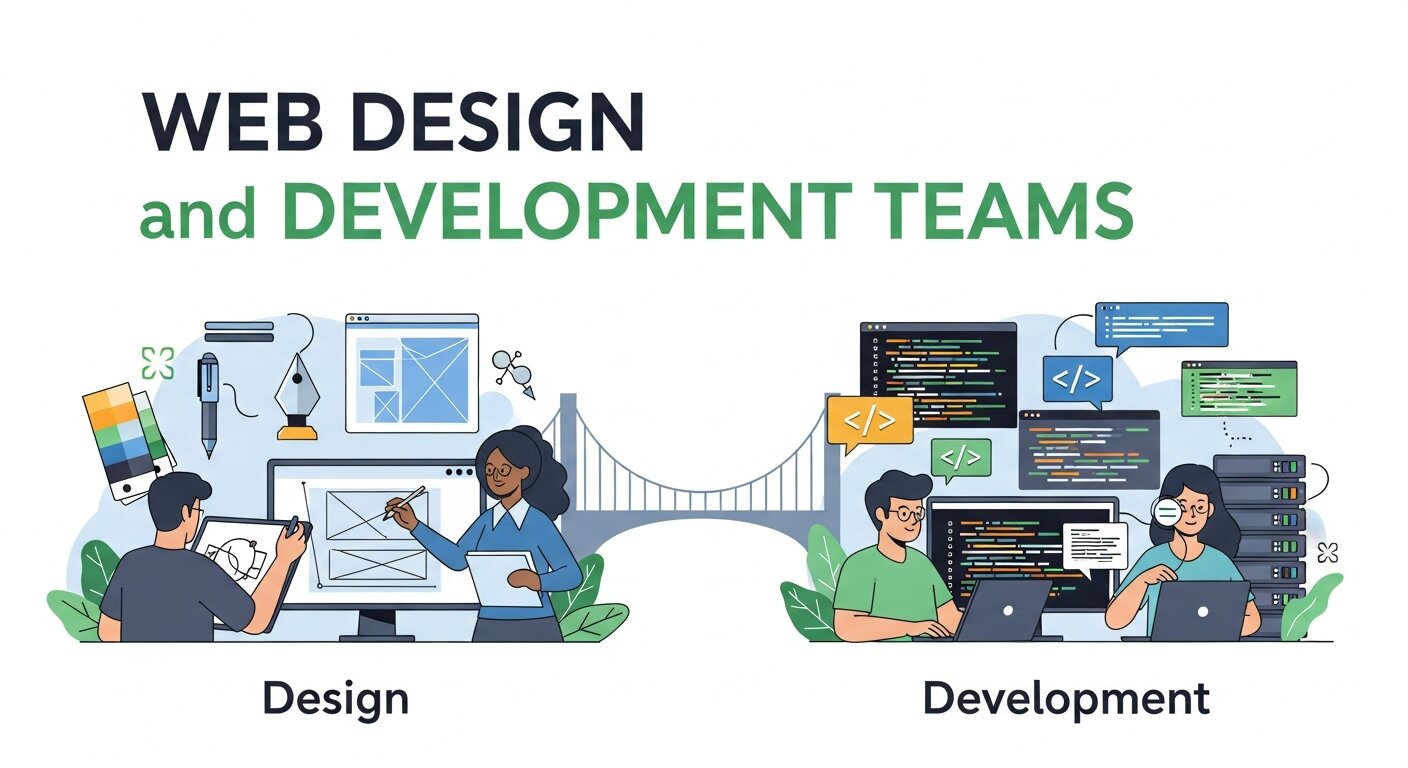
Why Partner with Experts
Building a successful e-commerce store requires expertise across multiple disciplines—design, development, user experience, SEO, and conversion optimization. While DIY platforms have lowered barriers to entry, professional web design and development services deliver results that generic templates can’t match.
Companies like SanMo BD bring specialized knowledge and experience from working with diverse clients across industries. They understand common pitfalls and know proven strategies for different business models and target audiences.
What to Look for in a Development Partner
Choose a team with demonstrable e-commerce experience. Review their portfolio to see if they’ve built stores similar to what you envision. Ask about their development process, timeline expectations, and post-launch support.
Communication matters as much as technical skill. Your development partner should listen to your needs, offer strategic guidance, and keep you informed throughout the project. Red flags include vague timelines, reluctance to share work examples, or pressure to commit before you’re comfortable.
Planning Your Project
Start with clear goals. Do you want to increase average order value? Reduce cart abandonment? Improve mobile conversions? Specific objectives guide better design decisions than vague desires to “look more professional.”
Budget realistically. Quality web design and development requires investment, but it pays for itself through increased sales and reduced technical problems. Discuss your budget openly with potential partners to understand what’s achievable.
Maintaining and Evolving Your Store
Regular Updates and Testing
Launch day is just the beginning. Successful e-commerce sites continuously evolve based on customer behavior and market trends. Schedule regular reviews of site analytics to identify improvement opportunities.
A/B testing allows you to make data-driven decisions rather than guessing what works. Test different headlines, button colors, page layouts, and checkout flows. Small changes sometimes yield surprising results.
Staying Current with Technology
E-commerce technology evolves rapidly. New payment methods, emerging design trends, and changing customer expectations mean your site needs periodic updates to stay competitive.
Monitor your platform’s updates and security patches. Outdated software creates vulnerabilities and compatibility issues. Professional development partners like SanMo BD can manage ongoing maintenance, ensuring your store remains secure and functional.
Scaling for Growth
As your business grows, your website needs to grow with it. Plan for scalability from the beginning—choose platforms and infrastructure that handle increased traffic and expanding product catalogs without performance degradation.
Consider international expansion carefully. Selling globally requires considerations like multi-currency support, international shipping logistics, and localized content. These features should integrate seamlessly into your existing store rather than feeling bolted on as afterthoughts.
Frequently Asked Questions
How much does professional e-commerce web design and development cost?
Costs vary widely based on complexity, features, and customization level. Basic e-commerce sites might start around $5,000-$10,000, while complex, custom-built platforms can exceed $50,000. Most businesses find that investing in quality design pays for itself through increased conversions and reduced technical issues. Companies like SanMo BD typically provide detailed quotes after understanding your specific requirements.
How long does it take to build an e-commerce website?
Timeline depends on scope. A simple store using an existing platform template might launch in 4-6 weeks. Custom designs with unique functionality often require 3-6 months. Factors affecting timeline include the number of products, custom feature requirements, content preparation, and revision rounds.
Can I update my store myself after it’s built?
Most modern e-commerce platforms include content management systems that let you add products, update prices, and modify basic content without technical knowledge. However, significant design changes or feature additions typically require developer assistance. Discuss your desired level of control with your development partner during planning.
What’s the difference between web design and web development?
Web design focuses on aesthetics and user experience—layout, colors, typography, and how users navigate your site. Web development involves the technical implementation—coding, database management, and functionality. Both disciplines work together to create effective e-commerce stores. SanMo BD integrates both services to ensure visual appeal and technical excellence.
Should I use a template or invest in a custom design?
Templates offer faster launch times and lower initial costs, making them suitable for businesses testing concepts or operating with tight budgets. Custom design provides unique branding, tailored functionality, and flexibility to grow with your business. Consider your competitive landscape—if differentiation matters in your market, custom design offers significant advantages.
How do I know if my e-commerce site is performing well?
Track key metrics: conversion rate (percentage of visitors who purchase), average order value, cart abandonment rate, and traffic sources. Google Analytics provides most of this data for free. Compare your metrics to industry benchmarks and focus on continuous improvement rather than perfection.
Building Your Store for Long-Term Success
Creating an e-commerce store that consistently drives sales requires strategic thinking, technical expertise, and commitment to ongoing optimization. The most successful online stores aren’t accidents—they result from careful planning, quality execution, and continuous refinement based on customer behavior.
Web design and development form the foundation of your online business. Invest in getting it right from the start, whether you’re launching a new store or rebuilding an existing one. Partner with experienced professionals like SanMo BD who understand the nuances of e-commerce and can guide you toward decisions that support your business goals.
Remember that your website is never truly “finished.” Markets change, customer expectations evolve, and technology advances. Build flexibility into your platform and commit to regular updates that keep your store competitive. The businesses that thrive online are those that view their website as a living asset requiring attention and investment, not a one-time project to complete and forget.
Start with a clear vision of what you want to achieve, work with skilled partners who can bring that vision to life, and stay focused on delivering exceptional experiences to your customers. The e-commerce landscape is competitive, but stores built on solid design principles and sound technical foundations consistently outperform those that cut corners.