Social media has fundamentally changed how businesses talk to their customers. What used to require a phone call, a printed newsletter, or an in-person visit can now happen in seconds—through a comment, a direct message, or a well-timed post. For businesses that want to grow, stay relevant, and build real relationships, social media management has become one of the most powerful tools available.
But managing social media effectively is a lot more involved than posting a few photos and responding to comments. It requires strategy, consistency, and a deep understanding of your audience. Done right, it transforms your social channels from a broadcast system into a two-way conversation that drives loyalty and growth.
This post breaks down exactly how social media management helps businesses connect with customers—and what it takes to do it well.
What Is Social Media Management?
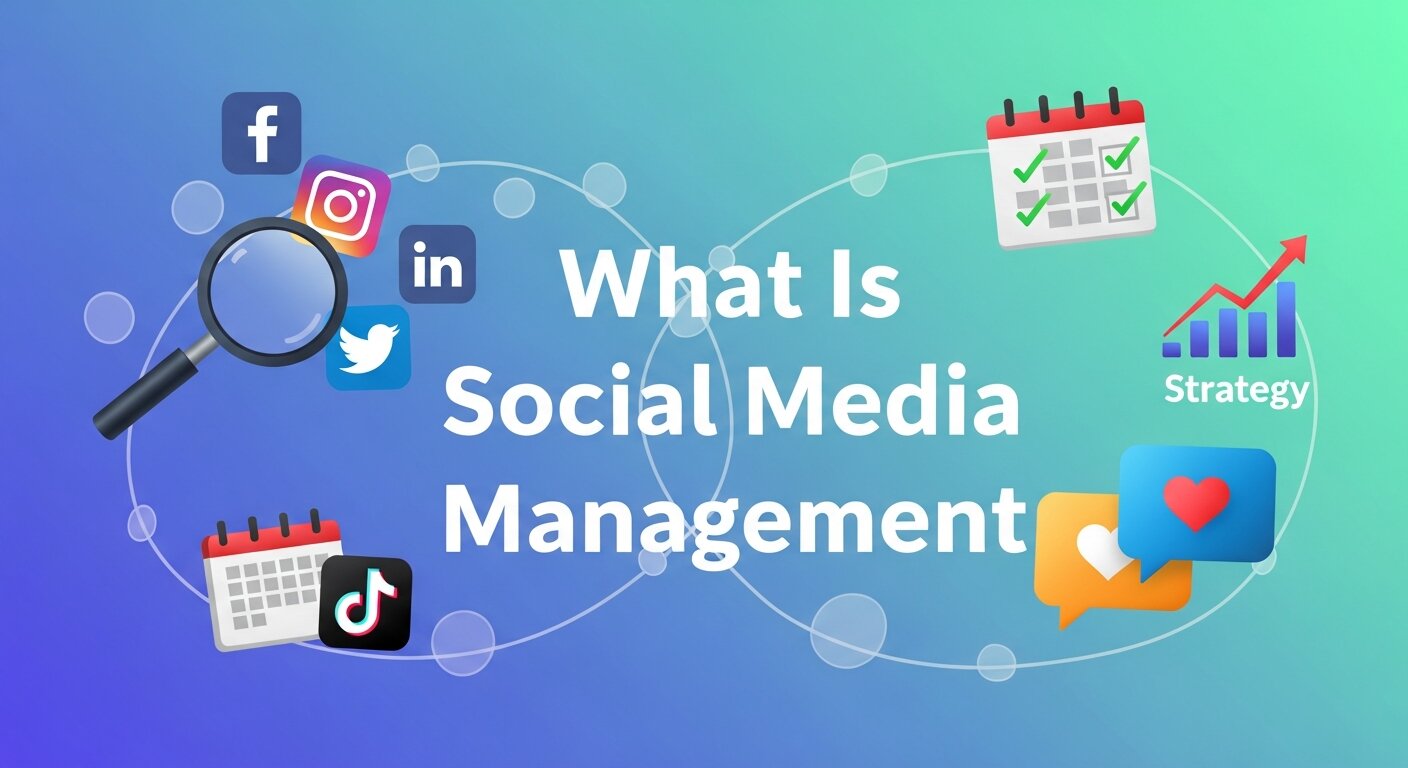 Social media management is the process of creating, scheduling, publishing, monitoring, and analyzing content across social media platforms on behalf of a business. It covers everything from crafting captions and designing graphics to responding to customer messages and tracking performance data.
For businesses, this involves far more than just staying active online. Good social media management means showing up consistently, communicating your brand’s values clearly, and giving customers a reason to keep coming back.
At SanMo BD, we work with businesses to develop tailored social media strategies that do exactly that—turning online presence into real customer connections.
Why Customer Connection Matters More Than Ever
Customer loyalty doesn’t come from a great product alone. It comes from how a business makes people feel. Customers want to be heard, valued, and understood. They want to buy from brands they trust—and trust is built through consistent, authentic communication.
Social media is where a huge portion of that communication now happens. According to Statista, over 5 billion people used social media globally in 2024. Your customers are already there. The question is whether your business is showing up in a way that resonates.
When social media management is handled well, businesses can:
- Respond to customer questions and concerns faster
- Share content that reflects their audience’s interests and values
- Build a community around their brand
- Turn one-time buyers into repeat customers and brand advocates
How Social Media Management Strengthens Customer Relationships
1. It Keeps Your Brand Top of Mind
Out of sight, out of mind. Businesses that post consistently stay visible in their customers’ feeds—and that visibility matters. When someone needs a product or service you offer, you want your brand to be the first thing they think of.
A well-managed social media presence ensures your content reaches your audience regularly, without overwhelming them. The key is finding the right cadence—posting often enough to stay relevant, but not so much that followers tune out.
2. It Creates Real-Time Customer Service Opportunities
Social media has become a primary channel for customer support. Customers increasingly turn to platforms like Instagram, Facebook, and X (formerly Twitter) to ask questions, report issues, or share feedback—often expecting a response within hours.
Businesses that monitor and respond to these interactions promptly build a reputation for being attentive and trustworthy. Those that don’t risk losing customers to competitors who do. Effective social media management includes setting up systems to track mentions, messages, and comments so nothing falls through the cracks.
3. It Humanizes Your Brand
People connect with people—not logos. One of the greatest advantages of social media management is the ability to show the human side of a business. Behind-the-scenes content, team spotlights, customer stories, and candid posts all help audiences see the real faces and values behind a brand.
This authenticity builds emotional connection. An emotional connection builds loyalty. Customers who feel a personal bond with a brand are far more likely to stick around, recommend the business to others, and forgive the occasional misstep.
4. It Turns Feedback Into Action
Social media gives businesses direct access to unfiltered customer opinions. Comments, reviews, polls, and direct messages are goldmines of insight—if you’re paying attention.
A strong social media management strategy includes actively listening to what customers are saying, identifying patterns in their feedback, and using those insights to improve products, services, and communication. This loop—listen, learn, respond, improve—demonstrates to customers that their voice actually matters.
5. It Builds Community
The most successful brands on social media don’t just have followers—they have communities. These are groups of people who engage with the brand’s content, interact with each other, and feel a sense of belonging.
Building community takes time and intentional effort. It means creating content that sparks conversation, celebrating customer milestones, and engaging meaningfully with comments rather than just hitting “like.” When customers feel like they’re part of something bigger, their relationship with your brand deepens significantly.
The Role of Content in Customer Connection
 Content is the engine of social media management. The type, quality, and consistency of the content you share directly influence how customers perceive and engage with your brand.
Educational Content
Posts that teach your audience something useful—tips, how-tos, industry insights—position your business as a trusted authority. Customers are more likely to follow and engage with accounts that consistently add value to their day.
Entertaining Content
Humor, storytelling, and visually striking content capture attention and make your brand memorable. Entertainment doesn’t mean being frivolous; it means communicating your brand’s personality in a way that resonates.
Relatable Content
Content that reflects your audience’s everyday experiences, challenges, and aspirations creates an instant sense of connection. When customers see themselves in your posts, they feel understood—and that’s a powerful foundation for loyalty.
User-Generated Content
Sharing content created by your customers—photos, reviews, testimonials—does double duty. It provides social proof that builds trust with new customers, while showing existing ones that they’re valued and seen.
Measuring What Matters: Social Media Analytics
Connecting with customers isn’t just about feelings—it’s measurable. Social media management includes tracking key performance metrics to understand what’s working and what needs adjusting.
Metrics worth monitoring include:
- Engagement rate: How many people are interacting with your content relative to your following
- Reach and impressions: How many people are seeing your posts
- Response time: How quickly your business is replying to messages and comments
- Follower growth: Whether your audience is growing over time
- Click-through rate: How many people are taking action from your social posts
These numbers tell a story. Over time, they reveal which content types resonate most, when your audience is most active, and where there are opportunities to improve. At SanMo BD, our approach to social media management is always data-informed—because strategy without measurement is just guesswork.
Common Mistakes That Hurt Customer Connection
Even businesses with good intentions can undermine their customer relationships through poor social media practices. A few patterns to avoid:
Inconsistent posting: Long gaps between posts signal inactivity and can make your brand appear unreliable.
Ignoring comments and messages: Leaving customer interactions unanswered sends the message that you don’t care.
Only posting promotional content: If every post is a sales pitch, followers will tune out. Balance promotional content with content that educates, entertains, or inspires.
Ignoring negative feedback: Deleting or dismissing criticism damages trust. Addressing it professionally, on the other hand, can actually strengthen your reputation.
Using a generic voice: Copy-paste captions or robotic responses feel impersonal. Authenticity comes from sounding like a real person who genuinely cares about the audience.
Frequently Asked Questions About Social Media Management
How often should a business post on social media?
There’s no single right answer—it depends on the platform and your audience. As a general rule, posting 3–5 times per week on platforms like Instagram and Facebook maintains visibility without overwhelming followers. Platforms like X and LinkedIn may warrant different cadences. Consistency matters more than volume.
Which social media platforms should my business focus on?
Focus on the platforms where your target customers spend the most time. For B2C businesses, Instagram, Facebook, and TikTok are often most effective. For B2B businesses, LinkedIn tends to be the strongest channel. Spreading yourself too thin across every platform is rarely productive.
What’s the difference between organic and paid social media management?
Organic social media management refers to unpaid content—regular posts, stories, and engagement with followers. Paid social involves advertising on social platforms to reach a broader or more targeted audience. Both have a role to play, but a strong organic presence is the foundation.
How long does it take to see results from social media management?
Social media is a long game. Building a loyal, engaged following typically takes several months of consistent effort. That said, businesses often see early wins—like increased website traffic or improved response rates—within the first few weeks of a structured strategy.
Can small businesses benefit from professional social media management?
Absolutely. Small businesses often benefit most from professional management because their resources are limited and every customer interaction counts. A strategic approach ensures time and budget are spent where they’ll have the greatest impact.
Your Next Step: Make Social Media Work for Your Business
Social media management is one of the most direct lines a business has to its customers. When handled with strategy and care, it builds trust, drives loyalty, and creates communities that champion your brand long after the initial transaction.
The difference between a social media presence that feels flat and one that genuinely connects often comes down to intentionality—knowing who you’re talking to, what you want to say, and how to say it in a way that resonates.
If you’re ready to take your social media presence to the next level, SanMo BD can help. Our team specializes in social media management strategies that are tailored to your business goals and audience. Get in touch today to find out how we can help you build stronger customer connections—one post at a time.