Every comment, review, and shared post actively shapes how the public perceives your business. A single viral complaint can erase years of hard-earned goodwill, directly impacting your bottom line. Basic monitoring tools simply notify you after the damage occurs, leaving you scrambling to draft an apology while the negativity spreads. You need a more robust strategy to stay ahead of digital threats and protect your brand equity.
Advanced reputation management focuses on anticipating crises, shaping digital narratives, and actively building a resilient online footprint. This approach moves beyond simple keyword alerts. It involves predictive analytics, strategic content suppression, and coordinated responses that neutralize threats before they escalate. Brands that master this process do not just survive online controversies; they use them as opportunities to demonstrate exceptional customer care and transparency.
Partnering with experts like SanMo BD provides the strategic framework required to handle these complex digital ecosystems. Navigating social algorithms and public sentiment requires specialized knowledge and rapid execution. Without a dedicated strategy, you leave your brand vulnerable to unverified rumors and organized digital attacks.
This comprehensive guide breaks down the exact methods top brands use to control their online narrative. You will learn how to transition from reactive damage control to proactive brand building, ensuring your digital presence remains an asset rather than a liability.
What Is Advanced Reputation Management?
Understanding the difference between basic social listening and an advanced approach is the first step toward securing your brand. Many businesses mistake setting up Google Alerts for a complete reputation strategy. A true advanced framework requires a multi-layered approach to digital presence.
Moving Beyond Basic Social Listening
Basic social listening involves tracking mentions of your brand name and responding to direct messages. Advanced reputation management analyzes the sentiment behind those mentions. It identifies the root causes of customer dissatisfaction and tracks the digital footprint of industry competitors. By analyzing these broader data points, companies can adjust their messaging before a minor issue becomes a trending topic.
This process requires sophisticated software that evaluates the emotional tone of thousands of social media interactions simultaneously. When you understand the underlying sentiment of your audience, you can craft responses that resonate on a human level, rather than issuing generic corporate statements.
The Role of Predictive Analytics
Data is the foundation of any successful digital strategy. Predictive analytics uses historical data to forecast future reputation threats. By analyzing past crises, algorithms can identify patterns that typically precede a surge in negative sentiment.
For example, a sudden spike in customer service complaints about a specific product feature might trigger a predictive alert. This allows your team to address the product flaw and issue a public statement days before the frustration bubbles over into a viral social media campaign. SanMo BD utilizes these exact data models to keep clients two steps ahead of potential public relations disasters.
Why Social Media Demands a Proactive Approach
 Social platforms operate at an unprecedented speed. The mechanics of these networks are designed to amplify emotional content, making them breeding grounds for rapid reputation damage.
The Speed of Viral Negativity
Social media algorithms prioritize engagement. Anger and outrage are highly engaging emotions, meaning negative posts often spread faster than positive reviews. A customer posting a video of a poor experience can reach millions of viewers within hours.
If you wait for a designated public relations team to review the situation, draft a response, and seek legal approval, the narrative has already been established by the public. Advanced reputation management establishes pre-approved crisis protocols. This preparation allows your brand to respond within minutes, acknowledging the issue and demonstrating a commitment to resolving it.
The Impact on Consumer Trust and Revenue
Consumer trust is directly tied to your digital footprint. Studies consistently show that the vast majority of consumers read online reviews before making a purchase. A sudden influx of negative social media sentiment will immediately lower conversion rates on your website.
Furthermore, search engines index social media content. A viral negative thread on an app like X (formerly Twitter) or TikTok can easily rank on the first page of Google for your brand name. This means the reputation damage extends far beyond the lifespan of the social media trend, permanently affecting the research phase of your customer journey.
Core Strategies for Protecting Your Brand Online
Building a bulletproof online presence requires a combination of technical SEO, community management, and strategic content creation.
Implementing Real-Time Crisis Protocols
A crisis protocol acts as a fire drill for your marketing and communications teams. It outlines exactly who is responsible for monitoring feeds, who drafts the initial response, and who has the authority to pause scheduled marketing campaigns.
Continuing to post lighthearted promotional content during a severe brand crisis makes a company appear tone-deaf and disconnected. An advanced protocol includes an automatic “kill switch” for all scheduled social media posts and digital advertisements. Once the immediate threat is contained, the team can deploy carefully crafted messaging designed to de-escalate the situation and move the conversation to private channels.
Leveraging Brand Advocates and Influencers
Your most loyal customers are your best defense against unwarranted digital attacks. Advanced reputation management involves actively nurturing relationships with brand advocates before you need them.
When an inaccurate rumor spreads about your company, having a network of trusted influencers and loyal customers who can independently vouch for your integrity is invaluable. These individuals provide social proof that a corporate press release simply cannot match. SanMo BD frequently helps clients identify and cultivate these crucial advocate networks, ensuring there is a buffer of goodwill surrounding the brand.
SEO Suppression and Content Dominance
Sometimes, negative content cannot be deleted. If a major news outlet publishes a critical article about your business, no amount of social media reporting will remove it. The solution is SEO suppression.
This technique involves creating a vast network of high-quality, authoritative content designed to outrank the negative assets in search engine results. By publishing detailed blog posts, press releases, video content, and comprehensive social media profiles, you push the negative content down to the second or third page of search results. Because very few users click past the first page, the negative content effectively becomes invisible to the average consumer.
How SanMo BD Transforms Digital Reputation
Choosing the right partner to manage your digital footprint makes all the difference. SanMo BD specializes in creating bespoke strategies that align with your specific industry challenges and corporate goals.
Customized Monitoring Solutions
Every industry faces unique digital threats. A healthcare provider deals with strict privacy regulations and patient reviews, while a retail brand handles shipping complaints and product quality disputes. SanMo BD builds customized monitoring dashboards tailored to these specific vulnerabilities. This ensures your team is not overwhelmed by irrelevant data and can focus entirely on metrics that matter.
Strategic Response Frameworks
Knowing an issue exists is only half the battle. SanMo BD provides comprehensive response frameworks that guide your team through difficult interactions. These frameworks include decision trees that dictate when to engage with a detractor, when to ignore a troll, and when to escalate an issue to legal counsel. This structured approach eliminates the guesswork and prevents emotional, poorly planned responses that often exacerbate the problem.
The Importance of Brand Transparency in Digital Spaces
 Transparency has become a non-negotiable expectation in today’s digital environment. Consumers are more informed and skeptical than ever, and they demand honesty from the brands they support. Attempting to hide mistakes or manipulate narratives often backfires, leading to even greater reputational damage.
Advanced reputation management emphasizes proactive transparency. This means openly acknowledging issues, clearly explaining corrective actions, and maintaining consistent communication throughout the resolution process. Transparency builds credibility, even during challenging situations. When customers see a brand taking responsibility rather than deflecting blame, it strengthens trust and long-term loyalty. In a landscape driven by public opinion, honest communication can transform a potential crisis into an opportunity to reinforce brand integrity and authenticity.
Managing Online Reviews Across Multiple Platforms
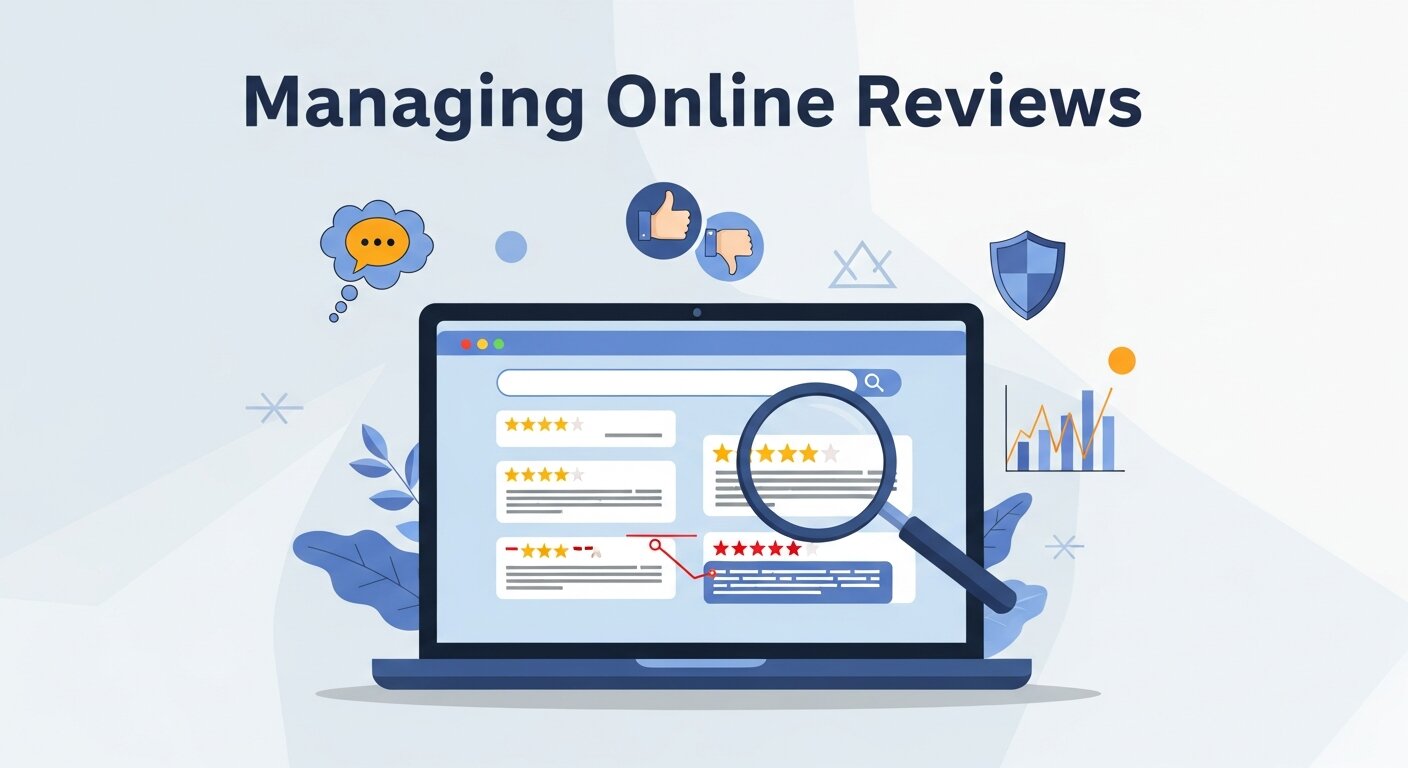 Online reviews serve as a powerful influence on consumer decision-making. A few negative reviews on high-traffic platforms can significantly impact purchasing behavior and brand perception. Managing these reviews requires more than occasional responses; it demands a coordinated and strategic approach.
Advanced reputation management involves monitoring review platforms, categorizing feedback trends, and responding in a timely and professional manner. It also includes encouraging satisfied customers to share their positive experiences, balancing the overall rating. Addressing negative reviews with empathy and actionable solutions demonstrates accountability. Over time, consistent engagement helps build a trustworthy digital profile, showing potential customers that your brand values feedback and is committed to continuous improvement across all touchpoints.
Crisis Escalation Mapping and Risk Prioritization
Not every negative comment requires the same level of response. Understanding which issues have the potential to escalate is critical for efficient resource allocation. Crisis escalation mapping helps organizations categorize threats based on severity, reach, and potential impact on the brand.
Advanced systems assign priority levels to different types of incidents, from minor customer complaints to full-scale viral controversies. This allows teams to focus their attention where it matters most. High-risk issues trigger immediate action protocols, while lower-level concerns are managed through standard engagement practices. By implementing a structured prioritization system, organizations avoid overreacting to minor issues while ensuring that serious threats are handled swiftly and effectively before they spiral out of control.
The Power of Consistent Brand Voice
A consistent brand voice plays a crucial role in shaping public perception, especially during sensitive situations. When messaging varies across platforms or representatives, it creates confusion and weakens credibility. Customers expect a unified tone that reflects the brand’s identity and values.
Advanced reputation management ensures that all communications—whether social media replies, press statements, or customer service interactions—adhere to a defined voice and tone. This consistency reinforces brand recognition and builds trust over time. During a crisis, a stable and familiar voice provides reassurance to audiences. It signals that the organization is in control and aligned internally. Maintaining this consistency requires clear guidelines, regular training, and close coordination between all communication channels.
Long-Term Reputation Monitoring and Continuous Improvement
Reputation management is not a one-time effort; it is an ongoing process that evolves with your brand and market environment. Continuous monitoring allows organizations to track changes in public sentiment, identify emerging risks, and adapt strategies accordingly.
Advanced systems provide regular performance reports, highlighting key metrics such as sentiment trends, engagement rates, and content reach. These insights help refine future campaigns and improve response strategies. Additionally, organizations can use this data to identify recurring issues and implement long-term solutions. By committing to continuous improvement, brands not only protect their reputation but also enhance customer experience and operational efficiency. Over time, this proactive approach builds a strong, resilient digital presence that can withstand future challenges.
Frequently Asked Questions (FAQ)
What is the difference between basic and advanced reputation management?
Basic management focuses on reacting to mentions and reviews as they happen. Advanced reputation management uses predictive data to anticipate crises, employs SEO tactics to suppress negative search results, and actively cultivates a protective network of brand advocates.
How long does it take to repair a damaged online reputation?
The timeline varies significantly based on the severity of the damage and the authority of the negative content. Minor social media flare-ups can be neutralized in a few weeks. Pushing negative articles off the first page of search results using SEO suppression often takes three to six months of sustained, strategic effort.
Can social media algorithms affect my brand’s reputation?
Yes. Algorithms favor high-engagement content, which often includes controversy and negative reviews. Understanding how these algorithms work allows advanced reputation managers to create positive content that triggers the same algorithmic reach, balancing the digital narrative.
Why should a business partner with SanMo BD for this process?
SanMo BD provides the specialized tools, predictive analytics, and experienced crisis managers necessary to handle modern digital ecosystems. Attempting to manage a complex reputation crisis in-house often leads to delayed responses and strategic missteps. SanMo BD ensures your brand is protected by proven, data-driven methodologies.
Secure Your Brand’s Digital Future
Your online reputation is your most valuable digital asset. Leaving it entirely to chance or relying on outdated, reactive strategies is a risk modern businesses cannot afford to take. By embracing advanced reputation management, you take control of your narrative, protect your consumer trust, and ensure that your brand is defined by its successes rather than its isolated missteps.
Start auditing your current digital footprint today. Identify the gaps in your social listening tools, establish clear crisis protocols, and begin building a fortress of authoritative, positive content around your brand name. If the process feels overwhelming, reach out to specialized experts who can guide your strategy. Protecting your brand requires consistent, dedicated effort, but the long-term stability and growth it provides are well worth the investment.