Video content dominates internet traffic. Users prefer watching a quick video over reading pages of text to find answers. Search engines recognize this preference and heavily reward websites that provide high-quality video experiences. If your website struggles to climb the search engine results pages, relying solely on text-based optimization might be holding you back.
This is where advanced video SEO becomes a crucial component of your digital marketing strategy. Optimizing your videos requires specific techniques that go far beyond writing a basic title and hitting publish. Search engines need context to understand your visual content. When you provide that context correctly, you unlock massive potential for increased traffic and higher engagement rates.
In this guide, you will learn the exact steps needed to implement advanced video SEO on your website. We will explore technical optimizations, metadata strategies, and user experience enhancements that signal value to search engines. By applying these methods, you can gain a significant edge over competitors who neglect their video assets.
The Core Principles of Advanced Video SEO
To rank well, search engines like Google must crawl, index, and understand your video content. Since algorithms cannot actually watch a video, they rely on the data you provide. Giving them clear, structured information is the foundation of advanced video SEO.
Crafting Highly Optimized Metadata
Metadata acts as the translation layer between your video and the search engine. Your video title is the most critical piece of metadata. It should naturally feature your primary keyword while remaining enticing to human users. A compelling title increases your click-through rate, which sends a strong positive signal to search algorithms.
Your video description provides additional real estate for optimization. A detailed description helps search engines contextually categorize your content. Include a brief summary of the video, relevant secondary keywords, and timestamps for different topics covered in the video. Timestamps allow search engines to direct users to specific moments, creating a better user experience and increasing the likelihood of earning rich snippets in search results.
Implementing Transcripts and Closed Captions
Search engines crawl text. Providing a full transcript of your video allows bots to read exactly what is being said. This process uncovers natural long-tail keywords spoken during the video, giving your page more opportunities to rank for varied search queries.
Closed captions serve a dual purpose. They make your content accessible to a wider audience, including those with hearing impairments or users watching with the sound muted. Search engines prioritize accessibility. Adding precise closed captions directly improves your site’s quality score and boosts your overall advanced video SEO efforts.
Importance of Video Keyword Research
 Video keyword research is the foundation of a successful advanced video SEO strategy. Before creating or optimizing content, you need to understand what your audience is searching for. Tools like keyword planners and search suggestions help identify high-volume and low-competition keywords. Focusing on long-tail keywords can improve your chances of ranking faster. Proper keyword placement in titles, descriptions, and tags ensures better visibility. When you align your video content with user intent, search engines can match your videos with the right audience, increasing views, engagement, and overall performance.
Optimizing Video Length for SEO
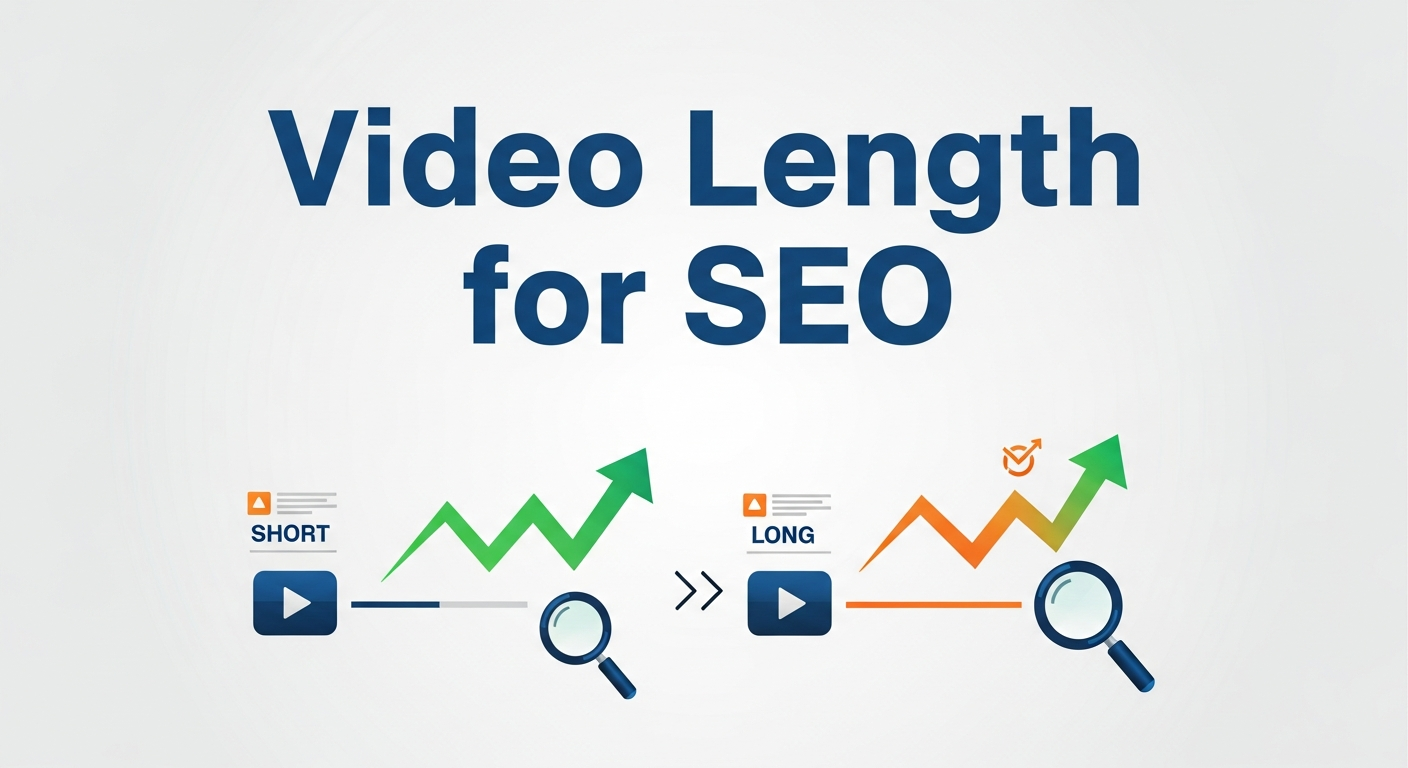 Video length plays a significant role in user engagement and search rankings. While there is no perfect duration, longer videos often perform better if they provide valuable content. However, quality should always come before quantity. A well-structured 5-minute video can outperform a poorly made 15-minute one. The goal is to keep viewers engaged until the end. High watch time signals to search engines that your content is valuable. Breaking longer videos into chapters or segments also improves user experience and retention, which directly impacts your advanced video SEO performance.
Leveraging Video Backlinks
Backlinks are not just for written content—they are equally important for videos. When other websites embed or link to your video, it signals authority and trust to search engines. Sharing your videos on blogs, forums, and social media platforms increases the chances of earning backlinks. Collaborating with influencers or industry experts can also boost your reach. The more credible sources that link to your video, the higher your chances of ranking. Building a strong backlink profile enhances your domain authority and strengthens your overall SEO strategy.
Using Video Chapters and Timestamps
Video chapters and timestamps improve both user experience and search visibility. By dividing your video into clear sections, you make it easier for viewers to navigate specific topics. Search engines can also index these timestamps, sometimes displaying them directly in search results. This feature increases click-through rates and helps users find relevant information quickly. Adding keyword-rich labels to each chapter further enhances optimization. Organized content keeps users engaged longer, which positively impacts your rankings. Implementing timestamps is a simple yet powerful way to boost your advanced video SEO efforts.
Importance of Mobile Video Optimization
 A large percentage of video content is consumed on mobile devices. If your videos are not optimized for mobile viewing, you risk losing a significant portion of your audience. Ensure your video player is responsive and loads quickly on smaller screens. Use clear visuals and readable text overlays that work well on mobile displays. Avoid elements that may not function properly on touch devices. Mobile optimization improves user experience, reduces bounce rates, and aligns with search engine ranking factors. A mobile-first approach is essential for modern video SEO success.
Enhancing Engagement with Interactive Elements
Interactive elements can significantly boost user engagement in video content. Features like clickable links, polls, quizzes, and call-to-action buttons encourage viewers to interact with your video. Higher engagement signals to search engines that your content is valuable and relevant. Interactive videos also keep users on your page longer, increasing dwell time. This leads to better rankings and improved visibility. Incorporating interactive features creates a more immersive experience, helping you stand out from competitors and build a stronger connection with your audience.
Importance of Video Analytics and Tracking
Tracking video performance is essential for continuous improvement. Analytics tools provide insights into viewer behavior, including watch time, drop-off points, and engagement rates. By analyzing this data, you can identify what works and what needs improvement. Adjusting your strategy based on real data ensures better results over time. Monitoring key metrics helps you refine your content and optimize future videos. Consistent tracking allows you to stay competitive and maximize the impact of your advanced video SEO efforts.
Repurposing Video Content for SEO
 Repurposing video content is an effective way to maximize its value. You can convert videos into blog posts, social media clips, infographics, or podcasts. This approach helps you reach different audience segments and increases content visibility. Each repurposed format can be optimized for SEO, driving traffic back to your original video. It also saves time and resources while maintaining consistency in your content strategy. Repurposing ensures that your video continues to generate value long after its initial release, strengthening your overall digital presence.
Technical Strategies for Video Search Dominance
Beyond titles and text, the technical setup of your video delivery drastically impacts performance. You must ensure search engines can easily find and categorize your media files without slowing down your website.
Leveraging Video Schema Markup
Schema markup is a form of structured data added to your website’s code. VideoObject schema tells search engines exactly what the video is about, how long it is, and who created it. This code is invisible to regular visitors but highly visible to search bots.
Implementing the VideoObject schema increases your chances of appearing in the dedicated video search tabs and earning prominent video carousels on the main search results page. You must include essential properties like the video title, description, thumbnail URL, and upload date to make the schema valid and effective.
Creating an XML Video Sitemap
An XML video sitemap acts as a roadmap for search engine crawlers. It lists all the videos hosted on your website in one centralized document. If your website features hundreds of pages, a crawler might miss an embedded video. A dedicated video sitemap guarantees that search engines discover every piece of media you publish.
Prioritizing Page Load Speed
Hosting videos directly on your own server can consume massive amounts of bandwidth and slow down your page load times. Slow pages frustrate users and lead to high bounce rates. Search engines penalize slow websites.
To maintain lightning-fast speeds, consider using a third-party hosting platform like YouTube, Vimeo, or Wistia, and embedding the player on your site. If you choose to self-host, use a content delivery network and compress your video files. A fast, responsive page is a non-negotiable requirement for successful advanced video SEO.
Designing for User Engagement
Search algorithms monitor how users interact with your content. If visitors click your video and immediately leave, the search engine assumes the content is low quality. You must design an experience that keeps viewers watching.
Customizing Video Thumbnails
Your thumbnail is the first visual impression a user gets. A generic, auto-generated frame from the middle of your video rarely looks professional. Create a custom thumbnail for every video. Use high-quality images, bold text overlays, and compelling visuals that clearly communicate the video’s topic. A strong thumbnail directly increases your click-through rate.
Optimizing Video Placement
Where you place the video on your webpage matters; if a user has to scroll all the way to the bottom of a lengthy article to find the video, they might leave before seeing it. Place your most important videos near the top of the page. Make sure the video player is sized appropriately and functions perfectly on mobile devices.
How SanMo BD Elevates Your Video Strategy
Implementing all these technical elements requires time and specialized knowledge. The team at SanMo BD understands the intricate details of search engine algorithms. SanMo BD provides comprehensive digital marketing solutions tailored to your unique business goals.
By partnering with SanMo BD, you gain access to industry-leading strategies. We handle the technical heavy lifting, from schema markup implementation to comprehensive keyword research. Our focus on advanced video SEO ensures your content reaches the right audience at the right time, driving measurable growth and sustained search engine visibility.
Frequently Asked Questions (FAQ)
What is the difference between regular SEO and advanced video SEO?
Regular SEO focuses heavily on optimizing text, site architecture, and backlinks. Advanced video SEO specifically targets media files. It involves specialized techniques like VideoObject schema markup, custom video sitemaps, and transcript optimization to help search engines understand and rank visual content.
Does embedding YouTube videos help my website rank?
Embedding a relevant YouTube video can increase the time users spend on your page. High dwell time is a positive ranking signal. However, to maximize the SEO benefit for your specific domain, you must surround the embedded video with highly relevant, optimized text and proper structured data.
How important are transcripts for video ranking?
Transcripts are incredibly important. Search engines cannot listen to audio, so they rely on text to understand the context of your video. A transcript provides a text-based version of your content, making it crawlable and allowing you to rank for keywords spoken within the video.
Can SanMo BD help if I already have existing videos?
Yes. SanMo BD can perform a comprehensive audit of your existing video library. We update legacy content with new metadata, add schema markup, and optimize the surrounding page elements to breathe new life into your older videos and improve their search performance.
Take the Next Step in Your Digital Strategy
Optimizing your video content is a proven method for climbing search engine rankings quickly. By focusing on proper metadata, structured data, and user experience, you signal to search engines that your website provides immense value. Stop letting your valuable video assets go unnoticed. Implement these advanced video SEO techniques today and watch your organic traffic grow.