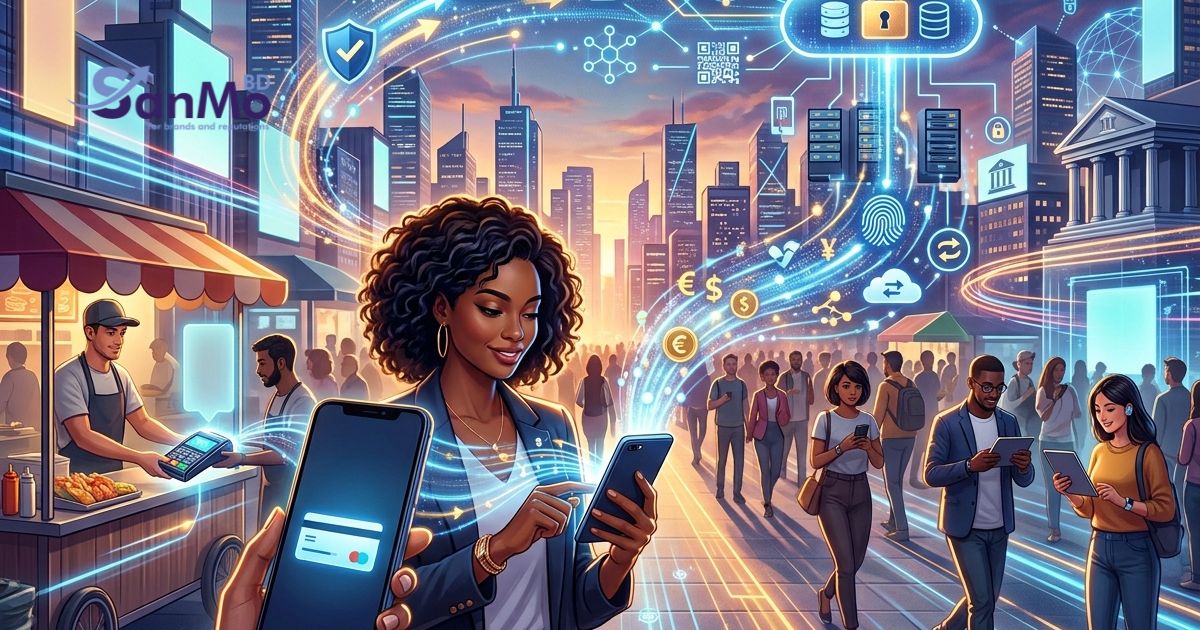
Digital Payment Solutions have become an essential part of modern business operations. Customers today expect fast, convenient, secure, and flexible payment options when purchasing products or services. Businesses that provide seamless digital payment experiences can reduce transaction friction, improve customer satisfaction, streamline financial processes, and create new opportunities for revenue growth.
From online businesses and e-Commerce stores to service providers and established enterprises, digital payments help organizations move away from slow and manual payment processes. They can support card payments, mobile payments, online transfers, payment gateways, and other electronic transaction methods.
For businesses operating in competitive markets, choosing the right payment technology is not only about accepting money. It is also about improving productivity, reducing operational costs, protecting transactions, and creating a better customer experience. With reliable technology and the right implementation strategy, SanMo BD helps businesses explore digital payment solutions designed around their operational and customer needs.
What Are Digital Payment Solutions?
Digital payment solutions are technologies and services that allow businesses and customers to send, receive, and process payments electronically. Instead of relying on cash or traditional manual payment methods, businesses can use digital platforms to manage transactions quickly and efficiently.
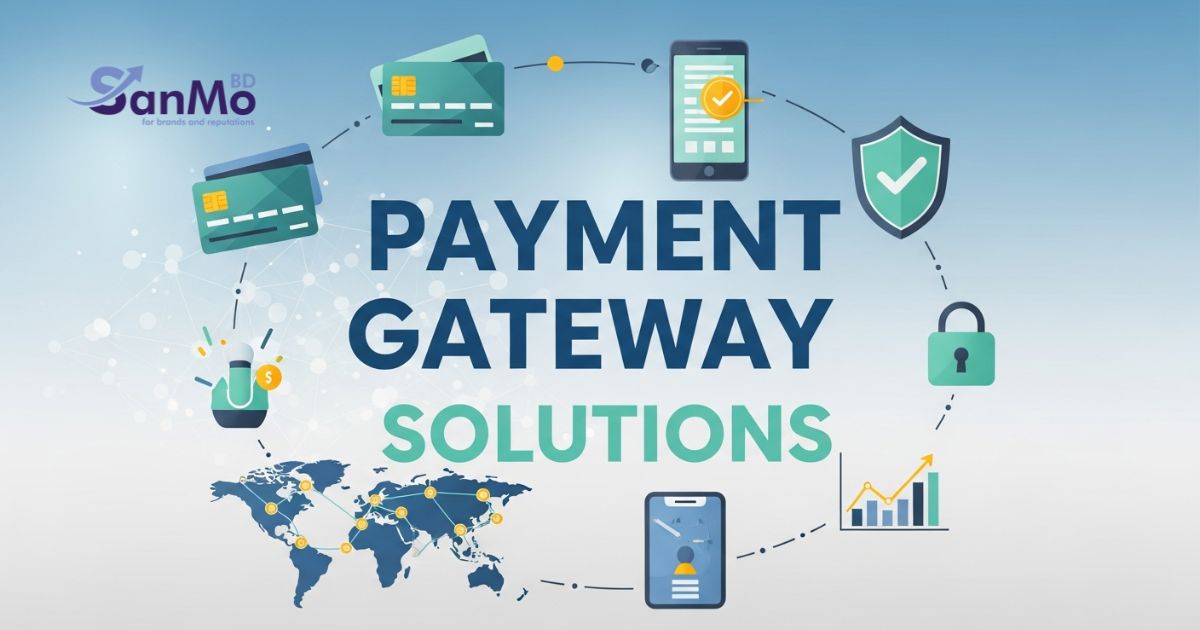
These solutions can include online payment gateways, debit and credit card processing, mobile payments, electronic bank transfers, digital wallets, recurring billing systems, and other payment technologies. A well-designed digital payment system connects payment processing with business operations. This can make it easier to monitor transactions, manage orders, track revenue, and maintain financial records.
Common Types of Digital Payments
Businesses can use different payment methods depending on their industry and customer preferences. Common options include:
- Credit and debit card payments
- Mobile wallet payments
- Online bank transfers
- Payment gateway transactions
- QR-based payments
- Recurring and subscription payments
- Digital invoicing and payment links
Offering multiple payment options can make it easier for customers to complete purchases without unnecessary delays.
How Digital Payments Improve Business Productivity
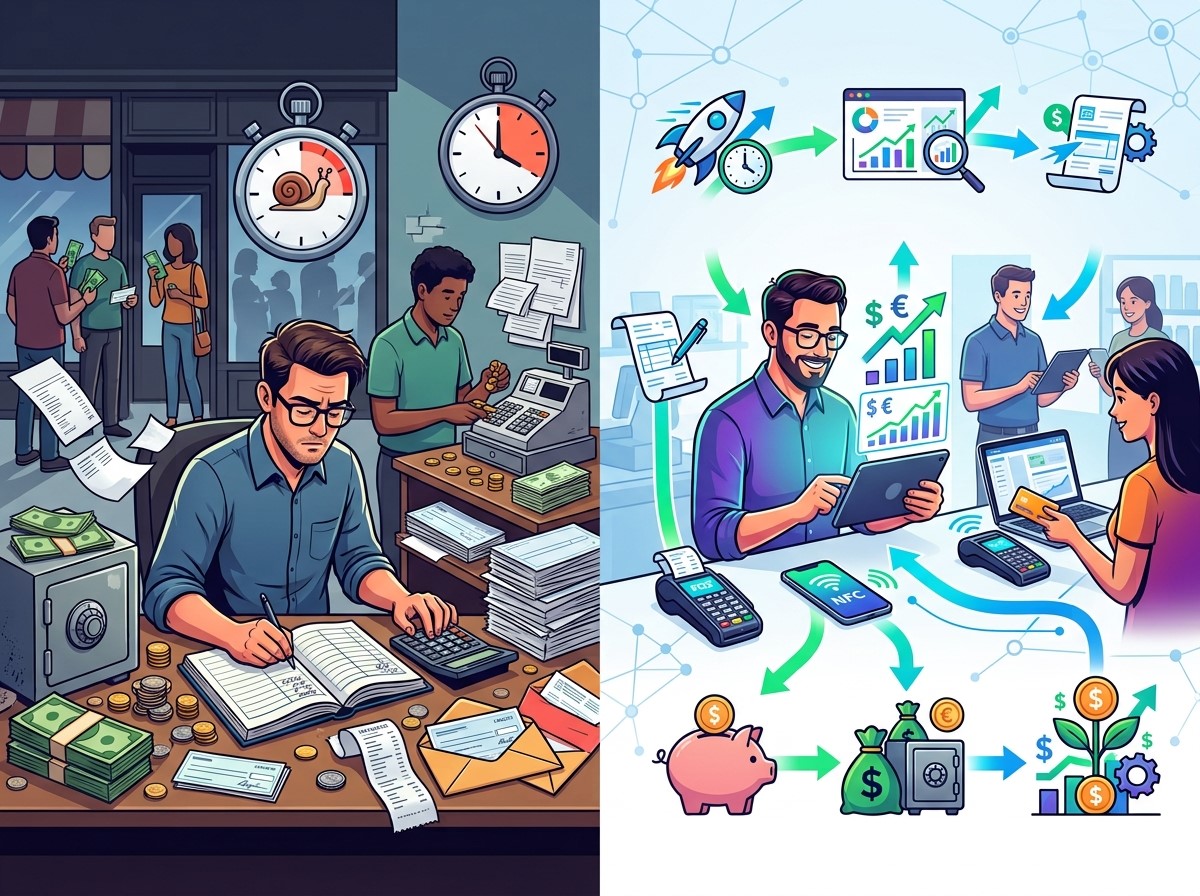 Productivity is closely connected to how efficiently a business handles its daily operations. Manual payment processes can require additional administrative work, increase the possibility of errors, and slow down financial reconciliation. Digital payment technology can simplify these processes and allow employees to spend more time on valuable business activities.
Automating Payment Processes
Digital payments can automate many tasks associated with transaction processing. Once a customer completes a payment, the system can record the transaction and update relevant business processes automatically.
Automation can reduce repetitive administrative tasks and minimize the need for manual data entry. This can be particularly valuable for businesses processing a large number of transactions every day.
Faster Transaction Processing
Speed is another major advantage of digital payments. Traditional payment processes can sometimes involve delays in confirmation and reconciliation. Digital systems can provide faster transaction confirmation, helping businesses process orders and services more efficiently. Faster payments can also improve cash flow visibility, allowing businesses to understand incoming revenue more effectively.
Reducing Administrative Work
Managing payments manually can involve invoices, receipts, transaction records, and reconciliation. Digital payment systems can centralize much of this information and make financial management easier.
Employees can access transaction data through integrated systems instead of maintaining multiple manual records. This can save time and reduce operational complexity.
How Digital Payment Solutions Increase Revenue
A convenient payment experience can directly influence purchasing behavior. When customers have access to familiar and reliable payment options, they may be more likely to complete transactions.
Improving the Customer Checkout Experience
A complicated checkout process can cause customers to abandon purchases. Digital payment solutions can simplify checkout by offering quick and familiar payment methods.
For eCommerce businesses, a smooth checkout experience can help reduce friction and support higher conversion rates. Businesses can also provide multiple payment options so customers can choose the method that works best for them.
Supporting More Customers
Digital payments allow businesses to serve customers beyond traditional physical locations. An online customer can make a payment from almost anywhere with an internet-enabled device and an available payment method. This flexibility can help businesses expand their customer base and support remote or international transactions where appropriate.
Enabling Recurring Revenue
Subscription-based businesses can benefit from recurring payment functionality. Customers can authorize scheduled payments for memberships, software, services, subscriptions, or other recurring products.
Automating recurring billing can make revenue collection more predictable while reducing the administrative effort involved in collecting payments manually.
Key Benefits of Digital Payment Solutions for Businesses
The value of digital payments goes beyond transaction convenience. When properly implemented, they can support multiple areas of business performance.
Better Cash Flow Management
Digital transaction records provide businesses with better visibility into incoming payments. Faster payment processing can also help organizations access revenue sooner than some traditional payment methods. Improved visibility allows businesses to plan expenses, monitor sales, and manage financial operations more effectively.
Improved Accuracy
Manual payment recording can lead to errors caused by incorrect data entry or inconsistent record keeping. Automated payment systems can reduce these risks by recording transaction information electronically. Accurate payment records can make reconciliation and financial reporting easier.
Greater Operational Efficiency
Digital payments can connect with accounting platforms, eCommerce systems, customer relationship management tools, and other business software. These integrations can reduce repetitive work and create a more connected operational workflow.
Convenient Customer Experience
Customers value convenience. They want payment processes that are fast, simple, and secure. Providing digital payment options gives customers greater flexibility and can contribute to stronger customer satisfaction and retention.
Security and Risk Management in Digital Payments
 Security is one of the most important considerations when implementing a digital payment system. Businesses handle sensitive financial information and therefore need payment technology that uses appropriate security measures.
Protecting Customer Payment Information
Reliable payment systems should use security technologies and appropriate safeguards to protect sensitive payment information during transactions. Businesses should also work with reputable payment providers and follow applicable security requirements.
Fraud Detection and Transaction Monitoring
Digital payment platforms can support transaction monitoring and fraud detection mechanisms. Suspicious transactions can potentially be identified based on unusual activity or predefined security rules. Monitoring payment activity can help businesses identify potential risks earlier.
Secure Authentication
Additional authentication measures can help verify customers before transactions are completed. Depending on the payment method and provider, authentication may involve passwords, one-time codes, biometric verification, or other security technologies. The appropriate approach depends on the business model, payment provider, and applicable regulations.
Why Integration Matters for Digital Payments
A payment solution becomes more valuable when it works effectively with existing business systems.
eCommerce Integration
Online stores can integrate payment processing directly into the checkout experience. This allows customers to complete purchases without unnecessary steps. Payment integration can also connect transaction information with orders, inventory, customer records, and sales reporting.
Accounting Integration
Connecting payment systems with accounting software can reduce the need to manually transfer transaction information. This can simplify bookkeeping, reconciliation, and financial reporting.
CRM and Business Software Integration
Payment information can also work alongside customer relationship management systems and other business platforms. This can help organizations maintain more complete customer and transaction records. Integrated systems create a smoother workflow across different departments.
Choosing the Right Digital Payment Solution
Not every payment solution is suitable for every business. Organizations should evaluate their operational requirements before selecting a provider or technology.
Consider Customer Payment Preferences
Businesses should understand how their customers prefer to pay. A payment system should support relevant payment methods without creating unnecessary complexity. Offering the right combination of payment options can improve convenience while keeping the checkout experience simple.
Evaluate Scalability
A payment solution should be able to support business growth. As transaction volumes increase, the system should continue to provide reliable performance. Scalability is particularly important for growing eCommerce stores, subscription businesses, and companies expanding into new markets.
Review Security and Compliance
Security should be a priority when comparing payment providers. Businesses should evaluate available security features, compliance requirements, transaction monitoring, and data protection practices. Choosing technology based only on price can create unnecessary risks.
Assess Integration Capabilities
Businesses should check whether the payment solution can integrate with their website, eCommerce platform, accounting software, CRM, and other systems. Strong integration capabilities can provide greater efficiency and reduce manual work.
How SanMo BD Can Support Digital Payment Needs
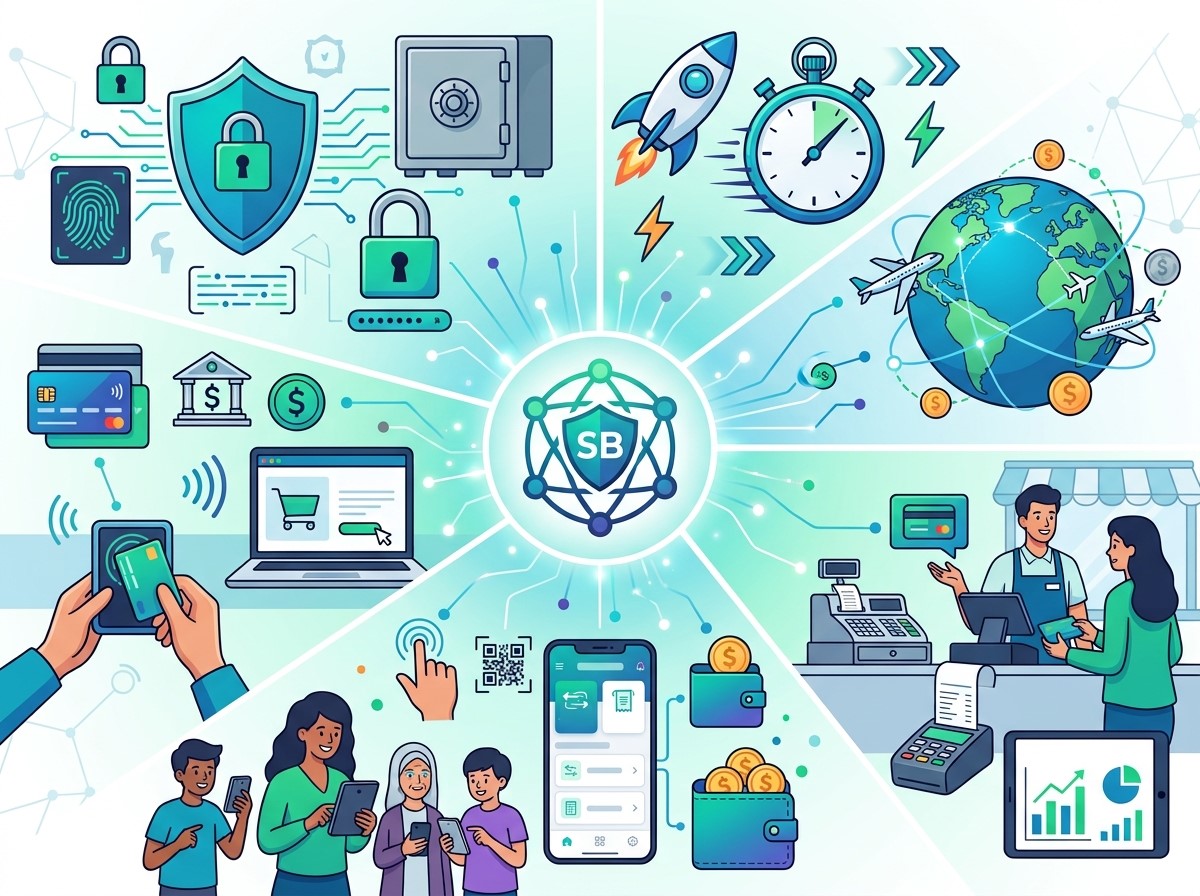 Implementing payment technology requires more than simply adding a payment button to a website. Businesses need a solution that aligns with their customers, business model, technology environment, and operational goals.
SanMo BD provides technology-focused solutions designed to help businesses improve their digital operations. Its digital payment services can help organizations explore payment systems that support secure transactions, smoother customer experiences, and more efficient business processes. Whether a business is improving an existing payment process or developing a new digital platform, the right approach should focus on usability, security, integration, scalability, and long-term performance.
Future of Digital Payments
The digital payment ecosystem continues to evolve as businesses and customers become more comfortable with electronic transactions. Mobile payments, digital wallets, automated billing, contactless transactions, and integrated financial technologies are becoming increasingly important. Businesses that invest in flexible payment infrastructure can be better prepared for changing customer expectations.
The future will also involve greater integration between payment platforms and business intelligence systems. Transaction data can help organizations understand purchasing patterns, customer behavior, and revenue trends. As payment technology becomes more connected with broader business systems, companies can use it not only for collecting payments but also for improving decision-making and operational efficiency.
Conclusion
Digital payments have become an important component of modern business infrastructure. They can help organizations process transactions faster, reduce administrative work, improve customer convenience, strengthen financial visibility, and support revenue growth. The right Digital Payment Solutions should be secure, scalable, easy to use, and compatible with existing business systems. Businesses should evaluate their payment requirements carefully and select technology that supports both current operations and future growth.
With the right strategy and implementation, businesses can turn payment processing into a more efficient part of their overall digital ecosystem. For organizations looking to improve their payment infrastructure and digital operations, SanMo BD can help identify solutions aligned with business and customer requirements.
Frequently Asked Questions
1. What are Digital Payment Solutions?
Digital Payment Solutions are technologies that allow businesses to accept, process, manage, and track electronic payments. They can include payment gateways, cards, mobile wallets, online transfers, and recurring billing systems.
2. How can digital payments improve business productivity?
Digital payments can automate transaction processing, reduce manual data entry, simplify reconciliation, and provide faster payment confirmation. These improvements can reduce administrative workload and help employees focus on other business activities.
3. Can digital payments help increase revenue?
Yes. Convenient payment options can reduce checkout friction and make it easier for customers to complete purchases. Digital payments can also support subscriptions, online sales, and customers who prefer electronic payment methods.
4. Are digital payment systems secure?
Reputable digital payment systems use security technologies and safeguards to protect transactions and sensitive payment information. Businesses should select reliable providers and follow relevant security and compliance requirements.
5. Can digital payments be integrated with eCommerce websites?
Yes. Many payment solutions can integrate with eCommerce websites and platforms. Integration can connect payments with orders, customer information, inventory, and sales management.
6. Do digital payments support recurring transactions?
Many digital payment platforms support recurring billing. This can be useful for subscriptions, memberships, software services, and other business models that require scheduled payments.
7. What payment methods can businesses offer digitally?
Depending on the provider and market, businesses may offer credit and debit cards, mobile wallets, bank transfers, QR payments, payment links, and other electronic payment methods.
8. How do digital payments reduce operational costs?
Digital payments can reduce manual processing, paperwork, data entry, and reconciliation tasks. Automation can save employee time and improve the efficiency of financial operations.
9. What should businesses consider when choosing a payment solution?
Businesses should consider security, payment methods, transaction fees, integration capabilities, scalability, customer experience, reporting features, and compatibility with existing technology.
10. Can SanMo BD help businesses with digital payment solutions?
Yes. SanMo BD focuses on digital and IT solutions that can help businesses improve their technology infrastructure. Its Digital Payment Solutions can support organizations seeking more efficient and customer-friendly payment processes.