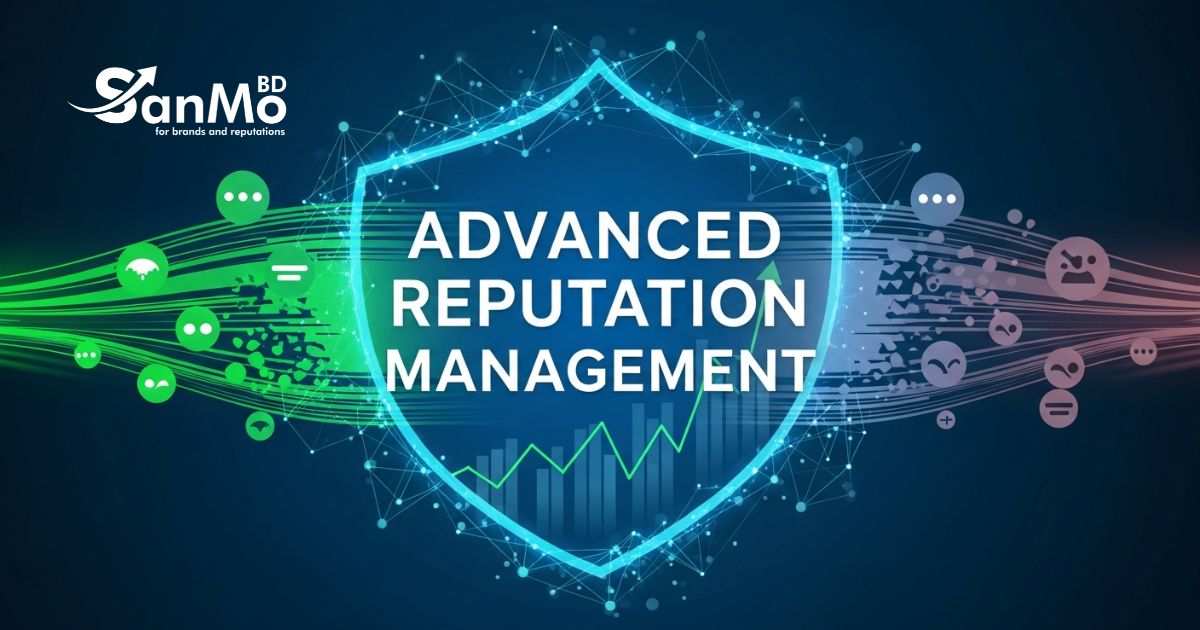
Your brand’s reputation is built over years—and can unravel in hours. A single viral complaint, a poorly handled crisis, or a wave of negative reviews can undo the credibility it took years to establish. That’s why advanced reputation management has become one of the most critical disciplines in modern business strategy.
This post breaks down what advanced reputation management actually looks like in practice, why it goes far beyond monitoring mentions and responding to reviews, and how SanMo BD helps organizations build reputations that are both strong and resilient—capable of withstanding scrutiny and bouncing back from adversity.
Whether you’re managing a growing brand, navigating a reputation crisis, or proactively fortifying how the public perceives your organization, the strategies covered here will give you a clear and actionable roadmap.
What Is Advanced Reputation Management?
Basic reputation management involves tracking what people say about your brand and responding when necessary. Advanced reputation management goes much further—it’s a proactive, data-driven, and strategically integrated approach to shaping public perception before problems arise.
At its core, advanced reputation management encompasses:
- Sentiment monitoring across search engines, social media, forums, and news outlets
- Proactive brand storytelling that controls the narrative
- Crisis preparedness planning before a crisis ever hits
- Stakeholder trust-building through consistent, authentic communication
- Competitive reputation benchmarking to understand where you stand in your industry
The goal is not simply to protect your reputation from damage—it’s to build a reputation so robust that it becomes a genuine competitive asset.
Why Reputation Is a Strategic Business Asset
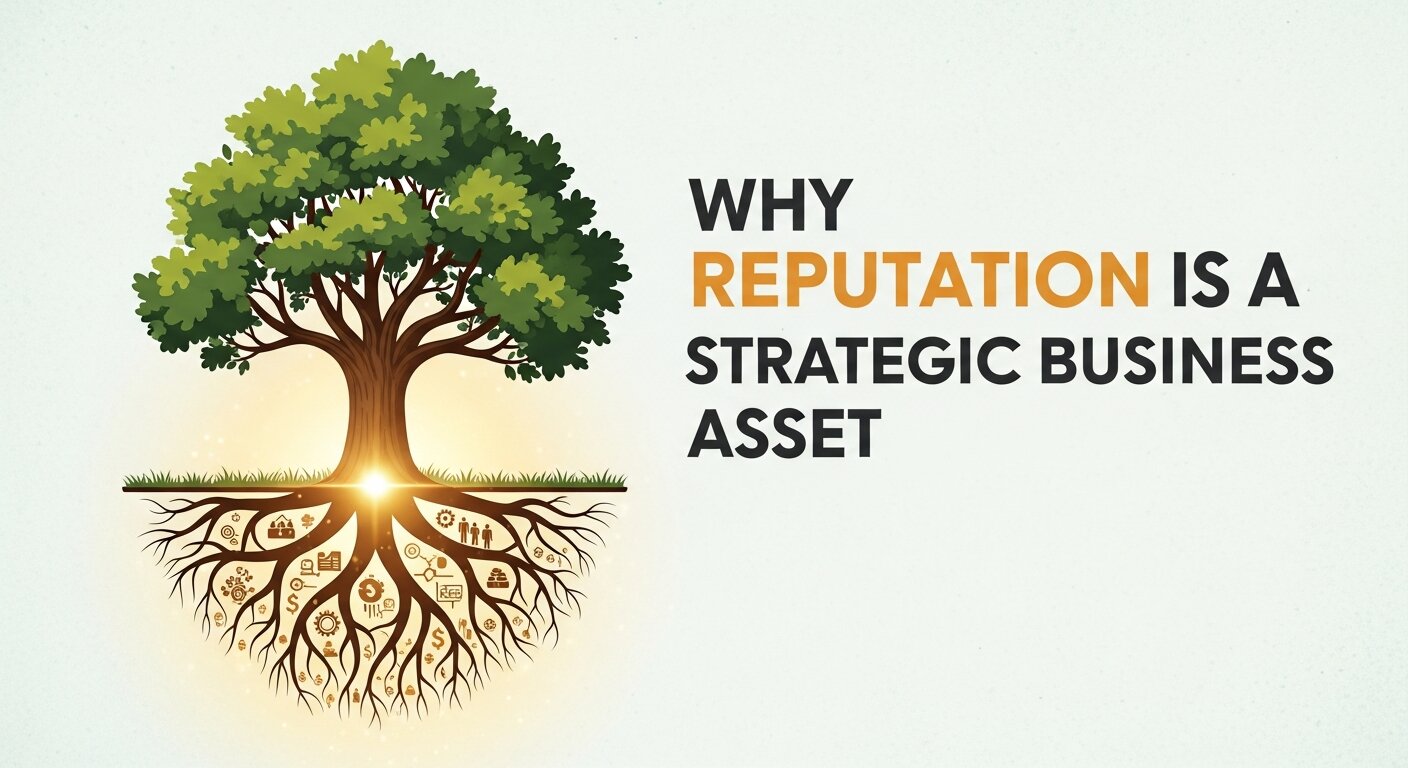 Reputation has always mattered. What’s changed is the speed and scale at which it can shift.
Consumers today conduct extensive research before making purchasing decisions. According to BrightLocal, 98% of consumers read online reviews for local businesses, and 88% trust online reviews as much as personal recommendations. For B2B organizations, the stakes are equally high—Edelman’s research shows that 81% of buyers say trust in a brand is a deciding factor in purchase decisions.
A strong reputation drives customer acquisition, supports premium pricing, attracts top talent, and builds investor confidence. A weak or damaged reputation, on the other hand, increases customer acquisition costs, erodes loyalty, and can permanently alter market positioning.
The takeaway? Reputation isn’t a PR concern—it’s a boardroom priority.
The Pillars of Advanced Reputation Management
1. Proactive Monitoring and Intelligence Gathering
You cannot manage what you don’t measure. Advanced reputation management begins with comprehensive, real-time monitoring of every channel where your brand is discussed. This goes beyond Google Alerts—sophisticated organizations deploy social listening tools, media monitoring platforms, and AI-powered sentiment analysis to capture a full picture of brand perception.
Key areas to monitor include:
- Social media platforms (Instagram, LinkedIn, X/Twitter, Facebook, TikTok)
- Review sites (Google, Trustpilot, G2, Glassdoor)
- News outlets and industry publications
- Online forums (Reddit, Quora, niche communities)
- Search engine results pages (SERPs)
The data gathered from monitoring should feed directly into strategic decisions—not sit in a report that no one reads.
2. Owning Your Digital Narrative
Search engines are the first stop for anyone researching your brand. What appears on page one of Google when someone searches your company name, leadership team, or products will shape their perception before you’ve had the chance to say a word.
Advanced reputation management involves a deliberate strategy for owning your search real estate. This means:
- Publishing high-quality, SEO-optimized content that ranks for branded and category keywords
- Maintaining active profiles on authoritative platforms (LinkedIn, Crunchbase, industry directories)
- Securing positive media coverage through proactive PR and thought leadership
- Addressing and suppressing negative search results through legitimate content strategies
The brands that dominate their search narrative are the ones that invest in content consistently—not reactively.
3. Crisis Preparedness and Response Protocols
Every organization is one bad headline away from a reputation crisis. The difference between brands that recover quickly and those that suffer lasting damage often comes down to preparation.
Crisis preparedness involves developing detailed response playbooks well before they’re needed. These playbooks should define:
- Trigger scenarios (data breaches, executive misconduct, product failures, social media incidents)
- Internal escalation protocols and designated spokespersons
- Pre-approved messaging frameworks for different crisis types
- Channel-specific response timelines (social media vs. press statements vs. direct stakeholder communication)
Speed matters—but so does accuracy and tone. Brands that respond quickly with transparent, empathetic communication consistently outperform those that go silent or become defensive.
4. Review Management and Social Proof Strategy
Reviews are a powerful driver of purchase decisions, hiring outcomes, and partnership opportunities. Managing them effectively requires more than responding to one-star ratings.
An advanced review strategy includes:
- Generating reviews proactively: Systematically asking satisfied customers to share their experiences at the right moment in the customer journey
- Responding to all reviews: Positive responses show appreciation; negative responses demonstrate accountability and a commitment to improvement
- Identifying patterns: Recurring complaints in reviews often signal operational issues that need addressing at the source
- Leveraging testimonials: Strong reviews should be repurposed as social proof across your website, sales materials, and marketing campaigns
SanMo BD works with brands to develop end-to-end review management frameworks that turn customer feedback into a strategic asset.
5. Employee Advocacy and Internal Culture Alignment
Your employees are your most credible brand ambassadors—and your most visible critics. Platforms like Glassdoor give current and former employees a public platform to share their experiences. A pattern of negative employer reviews can deter top talent, erode customer trust, and attract negative media coverage.
Advanced reputation management addresses the internal culture alongside the external narrative. Organizations with strong reputations tend to have:
- Clear and consistent internal communication from leadership
- Genuine investment in employee wellbeing and professional development
- Mechanisms for employees to raise concerns internally before going public
- Recognition programs that turn employees into enthusiastic brand advocates
Culture and reputation are inextricably linked. The brands that understand this build internal equity alongside external credibility.
6. Stakeholder Trust and Thought Leadership
Trust is the currency of reputation. Building it requires consistent, value-driven communication with every stakeholder group—customers, investors, partners, employees, media, and regulators.
Thought leadership is one of the most effective tools in this arsenal. When executives and subject matter experts publish insightful perspectives on industry trends, they position the brand as a credible authority—someone worth listening to, not just transacting with.
Effective thought leadership strategies include:
- Publishing long-form articles on LinkedIn and industry publications
- Securing speaking engagements at relevant conferences and events
- Contributing expert commentary to media stories
- Hosting webinars and podcasts that demonstrate depth of knowledge
The goal is to make your brand the first name that comes to mind when your expertise is needed.
Common Reputation Management Mistakes to Avoid
Even experienced organizations make avoidable mistakes when managing their reputations. The most common include:
Ignoring negative feedback: Silence is often interpreted as indifference or guilt. Every piece of feedback—positive or negative—deserves a response.
Inconsistent messaging: Conflicting narratives across channels create confusion and erode trust. Your message should be unified, clear, and consistent across every touchpoint.
Reactive rather than proactive management: Waiting for a crisis to act is a costly strategy. The time to build goodwill is before you need it.
Over-promising and under-delivering: The fastest way to damage a reputation is to set expectations you can’t meet. Credibility is built through consistent follow-through, not marketing claims.
Neglecting owned channels: Your website, blog, and social profiles are often the first place people look. Outdated or sparse content on owned channels signals neglect.
How to Measure the Health of Your Brand Reputation
 Advanced reputation management requires clear metrics to track progress and demonstrate ROI. Key performance indicators include:
- Net Promoter Score (NPS): Measures how likely customers are to recommend your brand
- Share of Voice: Tracks how often your brand is mentioned compared to competitors
- Sentiment Score: Analyzes the ratio of positive to negative mentions over time
- Review Volume and Average Rating: Tracks reputation health across review platforms
- Search Ranking for Branded Terms: Monitors what appears when people search your name
- Media Coverage Quality: Assesses whether coverage is positive, neutral, or negative
Reviewing these metrics regularly—and acting on what they reveal—separates brands that manage reputation strategically from those that simply react.
Reputation Risk Assessment and Prevention
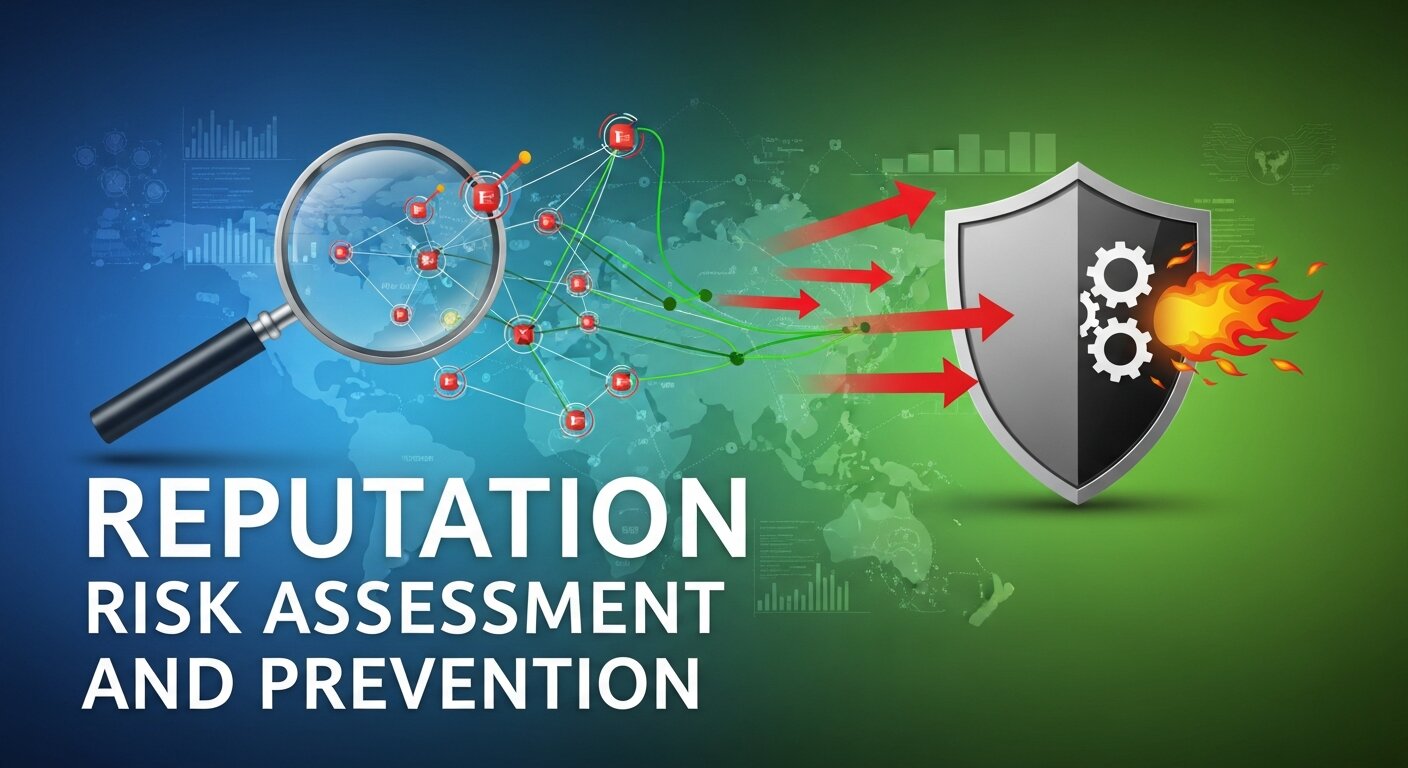 Advanced reputation management begins with identifying potential risks before they become public problems. Organizations should regularly assess vulnerabilities across customer experiences, employee relations, leadership communication, digital channels, and public-facing content. A structured risk assessment can reveal recurring complaints, communication gaps, outdated information, or issues that competitors may exploit. Businesses can then prioritize high-impact risks and create preventive strategies. This proactive approach reduces the likelihood of unexpected crises and gives leadership a clearer understanding of where reputation may be vulnerable. By combining monitoring data with internal insights, organizations can strengthen weak areas while building greater confidence among customers, employees, partners, and other stakeholders.
Personalized Reputation Strategy
Every organization has a different audience, industry position, risk profile, and communication style, so reputation management should never rely on a one-size-fits-all strategy. A personalized approach begins by understanding the brand’s existing reputation, target audiences, competitive environment, and business objectives. From there, organizations can develop tailored messaging, content strategies, review processes, and crisis response plans. Personalization also ensures that communication feels authentic rather than overly corporate or defensive. Whether the goal is strengthening customer trust, improving search visibility, supporting executive credibility, or rebuilding confidence after negative publicity, a customized reputation strategy helps align every action with the organization’s long-term goals.
Reputation Recovery and Brand Restoration
When a reputation has already been damaged, recovery requires more than removing negative content or publishing positive messages. Effective brand restoration focuses on understanding what caused the problem and addressing the underlying issues. Organizations should acknowledge legitimate concerns, communicate openly with affected audiences, and demonstrate measurable improvements through consistent actions. Search-focused content, positive customer experiences, media relations, and stakeholder communication can then support the recovery process. Reputation restoration takes time because audiences need evidence that change is genuine and sustainable. A carefully managed recovery strategy can gradually rebuild credibility, improve public sentiment, and create a stronger foundation for future growth.
Data-Driven Reputation Insights
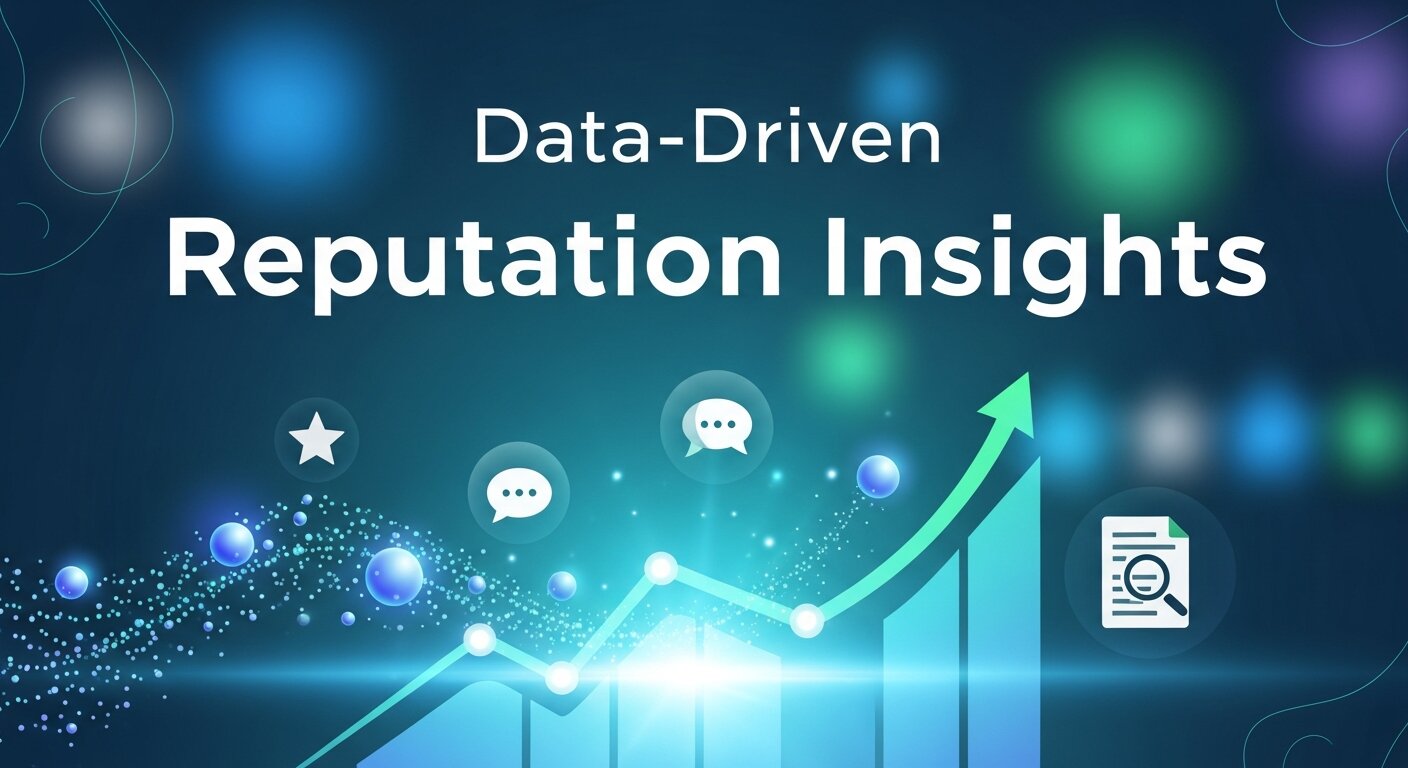 Modern reputation management becomes significantly more effective when decisions are supported by reliable data. Organizations can analyze sentiment trends, review patterns, search visibility, media coverage, social engagement, and competitor performance to understand how public perception is changing. These insights help identify emerging risks and reveal which communication strategies are producing positive results. Instead of relying on assumptions, leadership teams can use measurable evidence to adjust campaigns, improve customer experiences, and prioritize reputation-building activities. Regular reporting also makes it easier to demonstrate progress and evaluate return on investment. By turning reputation data into actionable insights, businesses can respond faster, make smarter decisions, and continuously strengthen their position in the market.
Frequently Asked Questions About Advanced Reputation Management
What is the difference between basic and advanced reputation management?
Basic reputation management typically involves monitoring mentions and responding to reviews. Advanced reputation management is a proactive, integrated strategy that includes crisis preparedness, search narrative control, sentiment analysis, stakeholder communication, and thought leadership—all designed to build and protect long-term brand equity.
How long does it take to see results from a reputation management strategy?
Results vary depending on the starting point and goals. Some improvements—like review volume and sentiment scores—can shift within weeks with focused effort. Longer-term outcomes, such as improved search results and established thought leadership, typically take three to six months of consistent activity to show meaningful progress.
Can a damaged reputation be fully recovered?
Yes, but recovery requires a clear strategy, time, and genuine change. Brands that recover most effectively address the root cause of the damage, communicate transparently with affected stakeholders, and demonstrate sustained improvement over time. Cosmetic fixes without substantive change rarely produce lasting results.
How often should we audit our brand’s reputation?
A comprehensive reputation audit should be conducted at least quarterly. However, real-time monitoring should be continuous—reputational threats can emerge at any moment, and early detection is critical to effective response.
What role does SEO play in reputation management?
SEO plays a significant role in reputation management because search results shape first impressions. Controlling what appears on page one for your brand name—through content, PR, and authoritative profiles—ensures that potential customers, partners, and talent see an accurate and favorable picture of your organization.
Is reputation management only relevant during a crisis?
No. The most effective reputation management happens during periods of stability, when organizations have the time and resources to build goodwill, produce thought leadership content, and strengthen relationships with stakeholders. Waiting for a crisis to invest in reputation management is a high-risk strategy.
Building a Reputation That Lasts
Advanced reputation management is not a one-time project—it’s an ongoing commitment to how your brand shows up in the world. The organizations that build genuinely resilient reputations do so by aligning their actions with their values, communicating transparently with stakeholders, and treating every interaction as an opportunity to build trust.
SanMo BD partners with organizations at every stage of this journey—from developing initial reputation strategies to managing complex crises and rebuilding damaged brands. The strongest reputations are built intentionally, one decision at a time.
If your organization is ready to take a more advanced approach to reputation management, the time to start is now—before you need it most.