Every day, customers talk about your brand online—on social media, review sites, forums, and news outlets. Some of what they say is great. Some of it isn’t. The question is: do you know what’s being said?
Brand monitoring services exist to answer that question. They track mentions of your business across the web, giving you a real-time window into how the world perceives your brand. But not all monitoring tools are built the same. Some are packed with powerful features; others are stripped-down tools that leave you guessing. Choosing the wrong one wastes money, misses crises before they escalate, and leaves your team flying blind.
This guide breaks down the key features to look for before investing in a brand monitoring service—so you can make a smart, informed decision from day one.
What Are Brand Monitoring Services?
Brand monitoring services are software platforms that track and analyze online mentions of your brand, products, competitors, or industry keywords. They pull data from sources like social media platforms, blogs, forums, news sites, and review platforms, then aggregate that information into a dashboard your team can actually use.
At SanMo BD, brand monitoring isn’t just about knowing when someone says your name online. It’s about understanding the full context of that conversation—who said it, where, how many people saw it, and what sentiment was behind it. That’s the kind of intelligence that drives real business decisions.
Why Choosing the Right Brand Monitoring Service Matters
 A poorly chosen brand monitoring tool creates a false sense of security. You might think you’re tracking everything while missing the review thread that’s quietly damaging your reputation, or the viral post that’s turning customers away.
The stakes are high. A single PR crisis that goes undetected for even a few hours can spiral into lasting reputational damage. On the flip side, brands that catch issues early—and respond quickly—often come out with stronger customer trust than before.
Choosing the right service isn’t a minor operational decision. It shapes how fast your team can respond, how well you understand your market, and how effectively you can outmaneuver competitors.
Key Features to Look for in Brand Monitoring Services
Comprehensive Source Coverage
The first question to ask any brand monitoring vendor: where do you actually track mentions?
A strong brand monitoring service covers a wide range of sources, including:
- Social media platforms (Instagram, X/Twitter, Facebook, LinkedIn, TikTok)
- News websites and online publications
- Review platforms (Google Reviews, Trustpilot, G2, Yelp)
- Blogs and forums (Reddit, Quora, niche industry blogs)
- Podcasts and video platforms (YouTube, where applicable)
The broader the coverage, the more complete your picture. If a tool only monitors Twitter and leaves out Reddit or industry forums, you could miss entire conversations happening about your brand.
Real-Time Alerts and Notifications
Speed matters in brand monitoring. When a negative review hits, when a journalist publishes a critical story, or when a social media post starts gaining traction—you need to know immediately, not hours later.
Look for a service that offers customizable real-time alerts. You should be able to set up notifications based on keywords, sentiment, source type, or mention volume. This way, your team isn’t sifting through a dashboard all day—they’re alerted only when something genuinely demands attention.
Sentiment Analysis
Volume of mentions tells you how much people are talking about you. Sentiment analysis tells you how they’re talking about you—and that’s the more important metric.
Sentiment analysis uses natural language processing (NLP) to classify mentions as positive, negative, or neutral. Good brand monitoring services go a step further, identifying the emotion behind a mention (frustration, excitement, confusion) and tracking sentiment trends over time.
This feature is especially valuable for spotting a growing wave of negative feedback before it becomes a crisis—and for measuring whether a PR or marketing campaign actually improved how people feel about your brand.
Competitor Monitoring
The best brand monitoring services don’t just track your brand—they track your competitors too.
Competitor monitoring lets you see how your rivals are being talked about, what customers love or hate about them, and where gaps exist that you could fill. If a competitor’s product is getting hammered in reviews for poor customer service, that’s your cue to double down on your own support experience and make it a marketing differentiator.
At SanMo BD, competitor benchmarking is built into our approach to brand intelligence. Understanding how you stack up against the competition is just as important as understanding your own brand health.
Historical Data and Trend Analysis
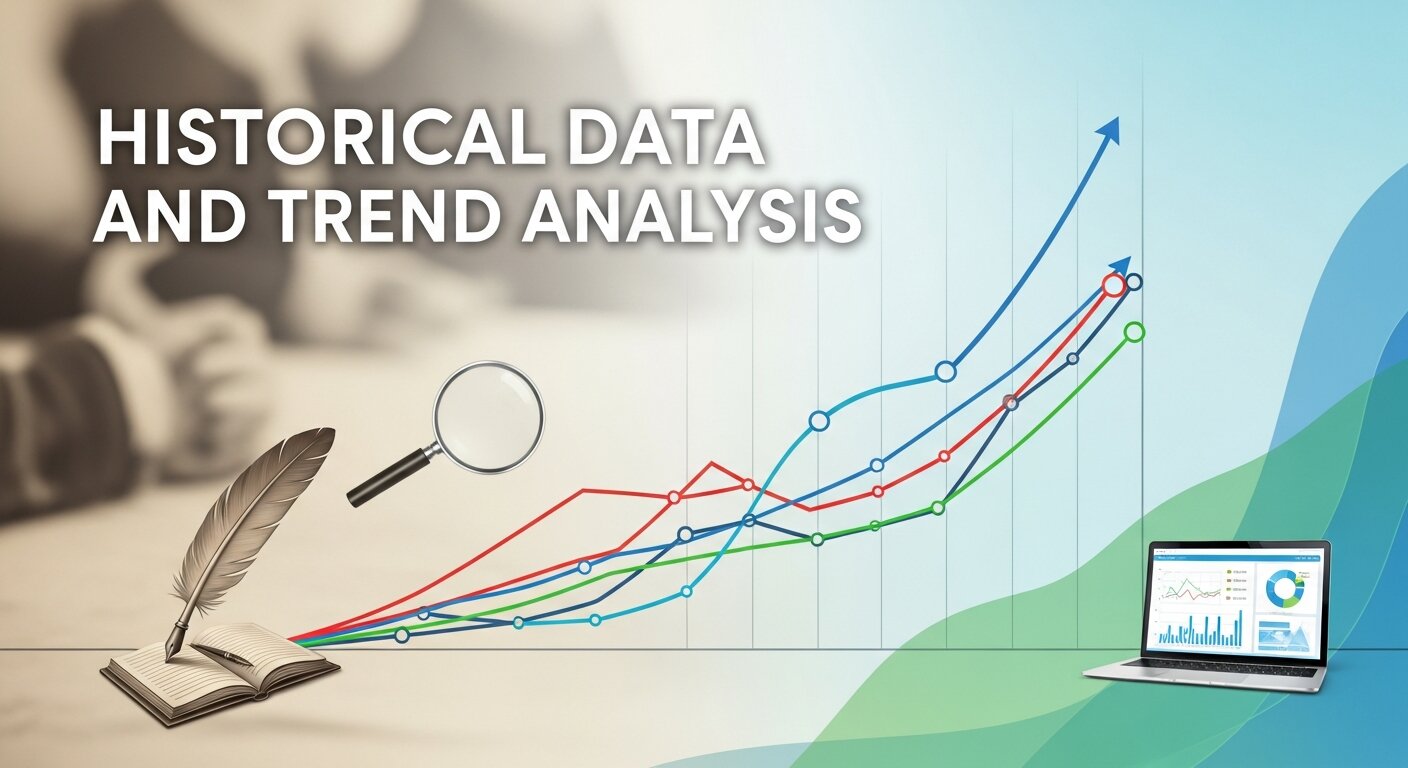 Real-time data is critical, but it only tells part of the story. To identify patterns, measure the impact of campaigns, or understand how brand perception has shifted over time, you need access to historical data.
Ask any vendor: how far back does your data go? Some tools only offer 30 days of history; others provide months or years. For businesses conducting quarterly reviews or tracking long-term reputation efforts, deep historical data is non-negotiable.
Trend analysis tools within the platform—showing graphs of mention volume, sentiment shifts, and share of voice over time—transform raw data into actionable insights.
Influencer and Source Identification
Not all mentions carry the same weight. A mention from a verified journalist with 500,000 followers has far more reach than one from a personal blog with 50 visitors a month. A good brand monitoring service helps you identify who’s talking about you and how much influence they have.
This feature is particularly useful for:
- PR teams identifying journalists and publications covering your industry
- Marketing teams finding potential influencer partners
- Crisis teams pinpointing who’s amplifying a negative narrative and how quickly it’s spreading
Look for tools that provide reach metrics, follower counts, and domain authority scores alongside each mention.
Customizable Dashboards and Reporting
A brand monitoring service is only as useful as the reports it generates. If pulling insights requires hours of manual data wrangling, your team simply won’t use the tool effectively.
Look for platforms that offer:
- Customizable dashboards tailored to different teams (marketing, PR, customer service, leadership)
- Automated reports delivered on a schedule (daily, weekly, monthly)
- Export options in formats like PDF, CSV, or direct integrations with tools like Slack, Google Data Studio, or Salesforce
Clear, visual reporting ensures that insights are shared across the organization—not siloed with one team.
Multilingual and Global Monitoring
If your business operates internationally—or aspires to—your brand monitoring service needs to work across languages and geographies.
Some tools are English-only. Others support dozens of languages and can track mentions across regional platforms (like Weibo in China or VK in Russia). If global coverage matters to your business, verify the tool’s language capabilities before signing up.
Ease of Use and Onboarding
A powerful tool that your team doesn’t know how to use is effectively useless. Before committing to any brand monitoring service, evaluate the user experience. Is the dashboard intuitive? Are there onboarding resources, tutorials, or a dedicated support team?
Ask for a demo. Run a trial period. The best vendors are transparent about their product’s learning curve and provide proper support to help your team get up to speed quickly.
Red Flags to Watch Out For
Not every brand monitoring service lives up to its marketing. Here are some warning signs to watch for during your evaluation:
- Limited source coverage that excludes major platforms or review sites
- No sentiment analysis, or sentiment that’s clearly inaccurate
- Slow data refresh rates that mean mentions are hours old by the time you see them
- No historical data beyond a 30-day window
- Clunky interfaces with no customization options
- Poor customer support that leaves your team stuck during setup
How to Choose the Right Brand Monitoring Service for Your Business
The right choice depends on your specific needs. Here’s a quick framework:
- Small business or startup? Prioritize ease of use, affordable pricing, and core features like social monitoring and alerts. You don’t need enterprise-grade complexity.
- Mid-market brand? Look for sentiment analysis, competitor monitoring, and solid reporting to support growing marketing and PR teams.
- Enterprise or global brand? Demand multilingual support, deep historical data, advanced integrations, and dedicated account management.
Before signing any contract, request a free trial or pilot period. Run real queries, test the alert system, and check whether the sentiment analysis actually reflects how your customers write and speak.
How Brand Monitoring Supports Customer Experience
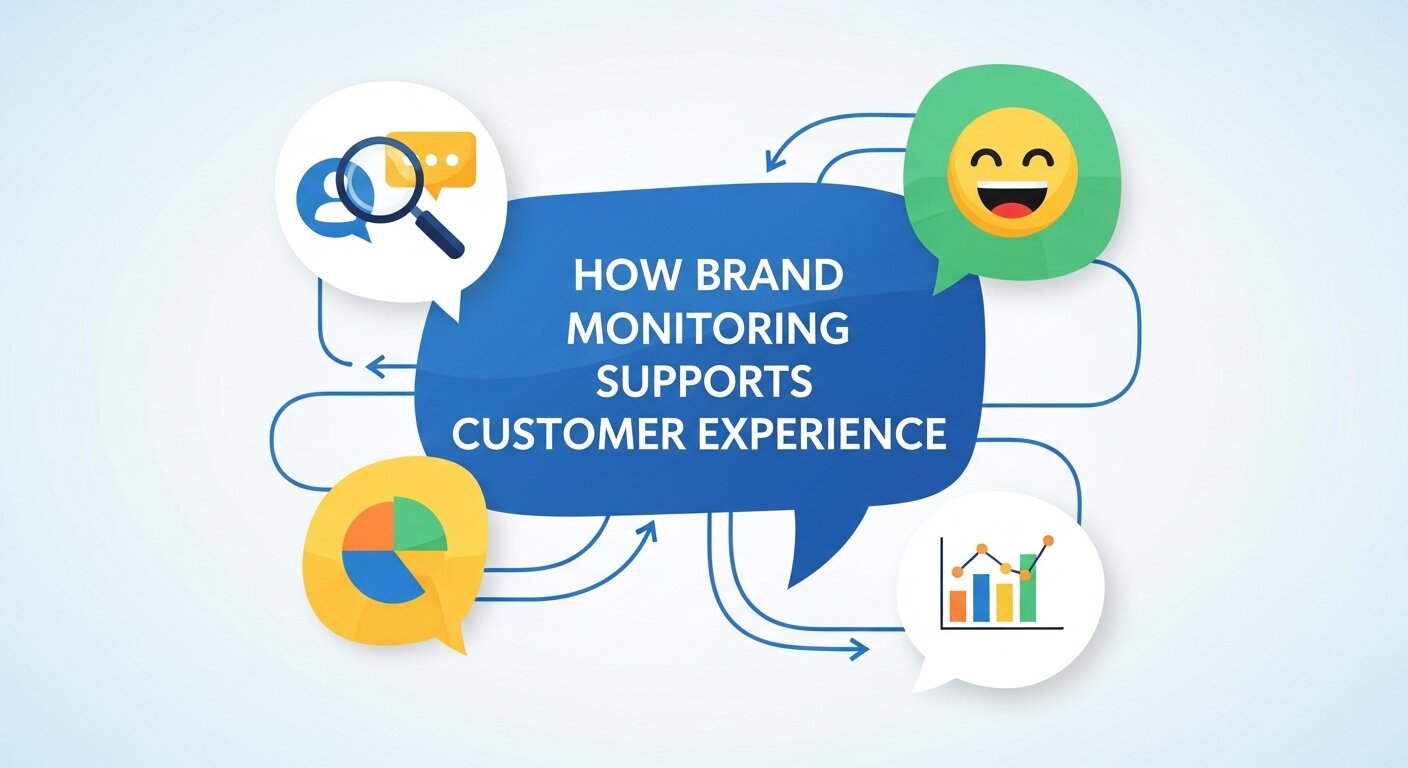 Brand monitoring is one of the most effective ways to improve customer experience because it helps businesses identify issues before they become major problems. Customers don’t always contact support directly when they’re unhappy—many choose to share their experiences on social media, review platforms, or online forums instead. By monitoring these conversations in real time, businesses can respond quickly, resolve complaints, and demonstrate that they genuinely value customer feedback. Monitoring also highlights recurring questions, feature requests, and service pain points that can be addressed proactively. Positive mentions are equally valuable, providing opportunities to thank loyal customers and strengthen relationships. Over time, these interactions build trust, increase customer satisfaction, and reinforce a brand’s reputation as responsive and customer-focused.
Measuring the ROI of Brand Monitoring Services
Investing in a brand monitoring platform should produce measurable business results. Companies can evaluate success by tracking key performance indicators such as mention volume, sentiment score, customer response time, review ratings, share of voice, and engagement across digital channels. Marketing teams can also compare campaign performance before and after implementing brand monitoring to determine its impact on brand awareness and customer perception. Another valuable metric is crisis response efficiency—identifying how quickly negative conversations are detected and resolved. By reviewing these insights regularly, organizations can optimize their communication strategies, improve customer relationships, and justify the return on investment. Rather than viewing brand monitoring as an operational expense, businesses should treat it as a strategic asset that supports long-term growth and reputation management.
Future Trends in Brand Monitoring Technology
 Brand monitoring continues to evolve as artificial intelligence and data analytics become more advanced. Modern platforms are moving beyond simple keyword tracking to deliver predictive insights that help businesses anticipate potential reputation risks before they escalate. AI-powered sentiment analysis is becoming increasingly accurate, allowing companies to understand not only whether mentions are positive or negative but also the emotions driving customer conversations. Many tools now integrate with customer relationship management (CRM) systems, marketing automation platforms, and business intelligence dashboards to provide a unified view of customer interactions. Voice search, podcasts, video content, and emerging social media platforms are also becoming important sources of brand data. Businesses that adopt these advanced monitoring capabilities will be better equipped to make informed decisions, strengthen customer relationships, and maintain a competitive advantage in an increasingly digital marketplace.
Frequently Asked Questions About Brand Monitoring Services
What is a brand monitoring service?
A brand monitoring service is a software platform that tracks online mentions of your brand, products, competitors, or relevant keywords across sources like social media, news outlets, review sites, and forums—helping businesses stay informed about how they’re perceived online.
How often should brand monitoring be reviewed?
For most businesses, real-time alerts should be monitored daily, while comprehensive reports and trend analysis should be reviewed weekly or monthly. The cadence depends on your brand’s size and the volume of online conversation around it.
Can brand monitoring services track competitor mentions?
Yes—most quality brand monitoring platforms include competitor tracking as a core feature, allowing you to monitor mentions of rival brands and benchmark your share of voice against theirs.
Is sentiment analysis accurate?
Sentiment analysis accuracy varies by platform and depends on the sophistication of the underlying natural language processing (NLP) model. Most modern tools achieve reasonable accuracy, but it’s always worth manually reviewing flagged mentions, especially for nuanced or sarcastic language.
What’s the difference between social listening and brand monitoring?
Brand monitoring typically focuses on tracking direct mentions of your brand name or keywords. Social listening is a broader practice that includes monitoring conversations, trends, and sentiment across entire topics or industries—not just your brand. Many platforms offer both capabilities.
How much do brand monitoring services cost?
Pricing varies widely depending on features, source coverage, and the number of users or keywords tracked. Entry-level tools may start at a few hundred dollars per month, while enterprise platforms can run into the thousands. Most vendors offer tiered pricing, so it’s worth comparing plans carefully.
Make Brand Monitoring Work for Your Business
Brand monitoring services give you ears everywhere your customers are talking. The right platform turns scattered online conversations into structured intelligence—helping your team respond faster, protect your reputation, and understand what your market truly thinks.
The key is choosing a service that matches your needs: one with broad source coverage, real-time alerts, meaningful sentiment analysis, and reporting that actually gets used. Take your time during the evaluation process, ask hard questions, and don’t settle for a tool that checks only half the boxes.
At SanMo BD, we help businesses find and implement brand monitoring strategies that deliver real results. If you’re ready to take control of your brand’s online presence, get in touch with our team today.