Google reviews play an important role in how customers discover, evaluate, and choose businesses online. A strong review profile can build credibility, increase customer confidence, and help businesses create a positive first impression. However, receiving reviews is only one part of the process. Businesses must also monitor feedback, respond professionally, address customer concerns, and maintain an authentic online reputation.
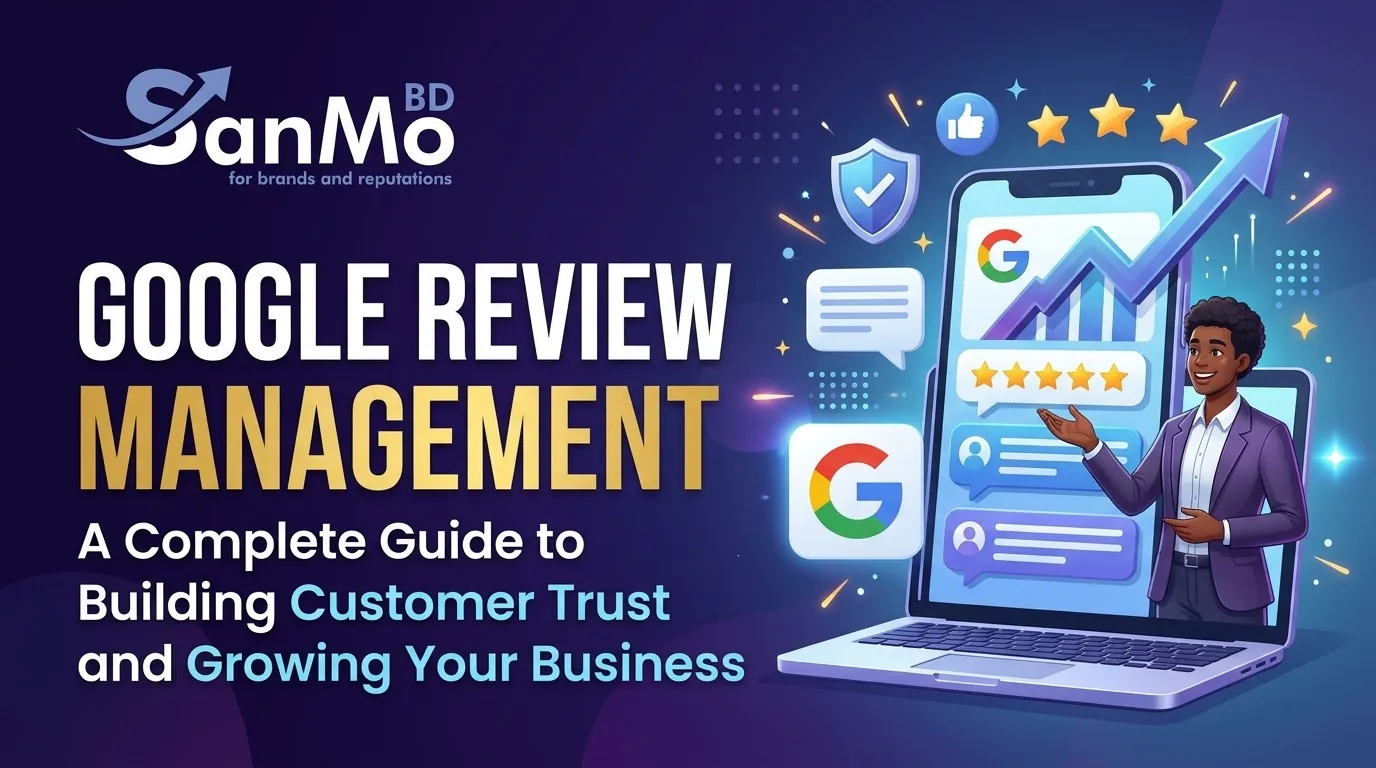
Google Review Management is the process of monitoring, responding to, analyzing, and improving customer reviews on Google. It helps businesses understand customer experiences, identify service problems, and build long-term relationships.
In this guide, we explain how Google review management works, why it matters, how to handle positive and negative reviews, and how businesses can develop an effective review management strategy with support from SanMo Bangladesh.
What Is Google Review Management?
Google Review Management is the process of managing customer feedback published on a business’s Google Business Profile. It involves monitoring new reviews, responding to customer comments, identifying inappropriate content, analyzing feedback, and encouraging genuine customers to share their experiences.
When someone searches for a company, restaurant, service provider, or local business on Google, customer reviews may appear alongside important business information. These reviews can influence how potential customers perceive the business before they visit its website or contact its team.
For example, imagine two companies offering similar services. One has detailed, recent customer reviews and professional responses. The other has very few reviews and several unanswered complaints. A potential customer may feel more confident choosing the first company.
This is why review management should be part of a business’s broader online reputation strategy.
Effective management does not mean removing every negative comment or collecting only five-star ratings. It means maintaining honest communication, responding to genuine feedback, and continuously improving customer experiences.
Why Google Reviews Matter for Businesses
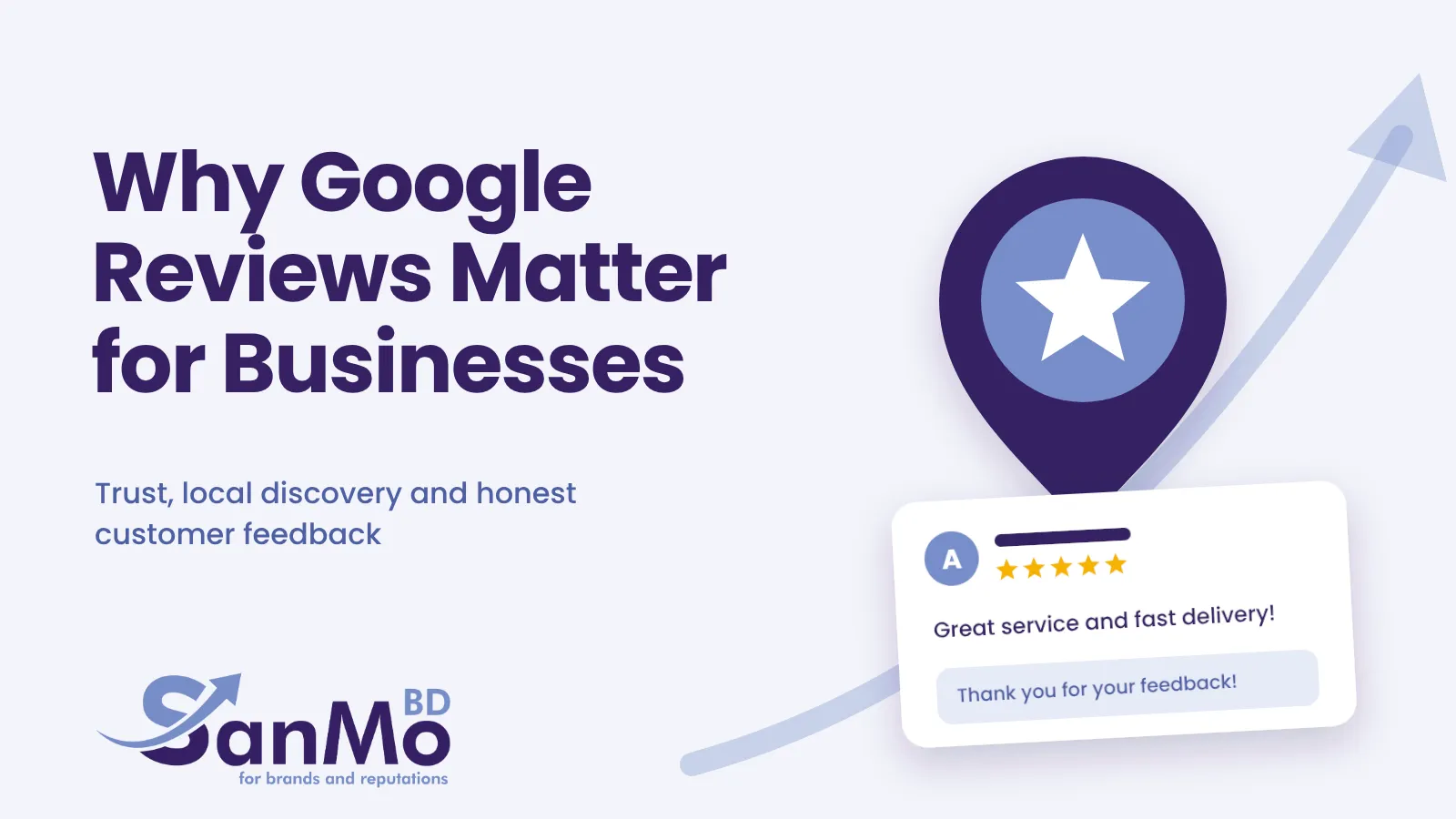
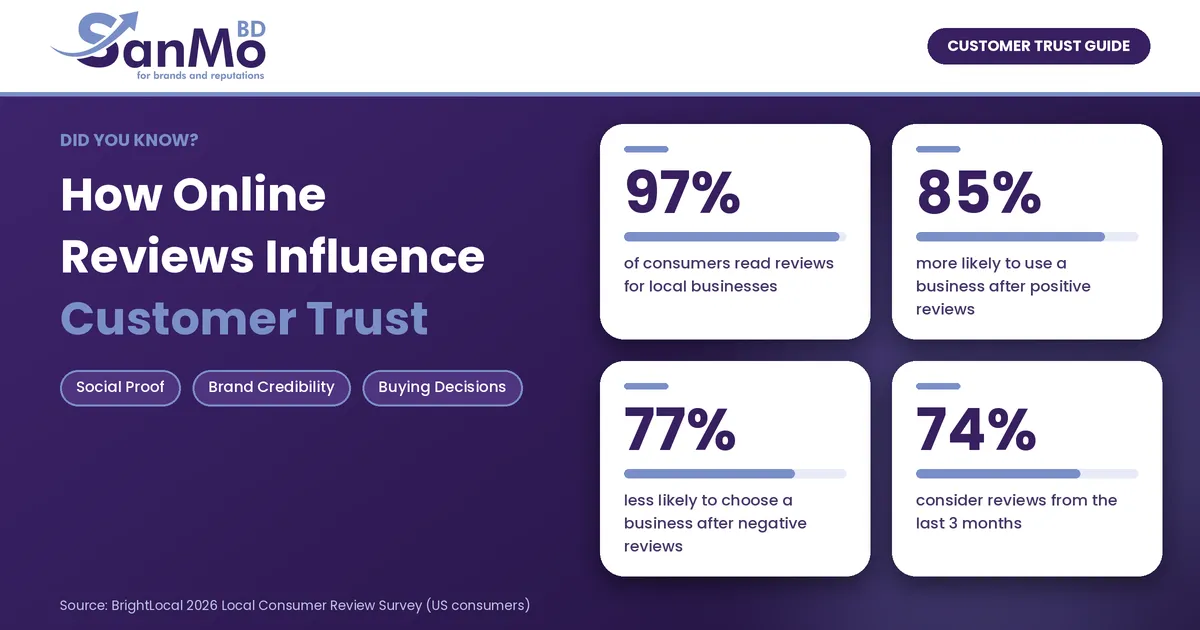
Customer reviews provide valuable information to people who are comparing businesses online. They can influence purchasing decisions, brand perception, and customer confidence.
Here are some important reasons why Google reviews matter.
Build Customer Trust
People often look for customer experiences before purchasing a product or hiring a service provider. Genuine reviews help potential customers understand what they can expect.
A business with detailed feedback and thoughtful responses can demonstrate transparency and customer care.
Influence Local Business Discovery
Google Business Profiles help customers discover businesses through Google Search and Google Maps. Reviews and ratings are visible parts of many local business profiles.
A well-maintained profile can make it easier for customers to evaluate a business when comparing nearby options.
Businesses should also maintain accurate names, addresses, phone numbers, categories, opening hours, and service information.
To understand how to build and optimize a business profile, read our guide to Google My Business for Local Businesses.
Improve Customer Confidence
A review section gives potential customers an opportunity to learn from previous buyers. Reviews describing product quality, communication, delivery, and customer support can help people make more informed decisions.
Identify Business Problems
Reviews are not only marketing assets. They are also a source of customer feedback.
Repeated complaints about delayed delivery, poor communication, product quality, or service experience may reveal operational problems that need attention.
Strengthen Brand Reputation
Consistent review monitoring and professional responses demonstrate that a business values customer opinions. Over time, this can contribute to a stronger and more trustworthy brand image.
How Google Review Management Works
A successful review management process includes several connected activities. Businesses should treat it as an ongoing responsibility rather than a one-time task.
Step 1: Monitor New Reviews
The first step is checking your Google Business Profile regularly.
Monitor:
- New positive reviews
- Negative customer feedback
- Reviews without written comments
- Questions or concerns mentioned by customers
- Changes in overall review patterns
Regular monitoring helps businesses identify customer concerns before they become larger reputation problems.
Step 2: Respond to Customer Feedback
Responding to reviews shows customers that the business is paying attention.
A good response should be polite, relevant, and professional. Avoid using identical replies for every customer. Instead, acknowledge the specific experience mentioned in the review.
Step 3: Address Customer Complaints
Negative reviews should be treated as opportunities to understand problems and improve service.
If a customer reports an issue, investigate the situation and provide a reasonable solution where possible. When necessary, continue the conversation privately to protect personal information.
Step 4: Analyze Review Trends
Look for repeated topics in customer feedback.
For example:
- Customers frequently praise fast delivery.
- Several customers mention helpful support.
- Multiple reviews report communication problems.
- Customers regularly request additional services.
These patterns can help management make better business decisions.
Step 5: Encourage Genuine Customer Reviews
Businesses can invite customers to share honest feedback after completing a purchase or receiving a service.
However, businesses should never purchase fake reviews, create misleading testimonials, or pressure customers to leave positive ratings. Review requests should be fair and transparent.
How to Respond to Positive Google Reviews
Positive reviews provide an opportunity to strengthen customer relationships and reinforce a positive brand experience.
A professional response should thank the customer, acknowledge their feedback, and maintain a friendly tone.
Example 1: General Positive Review
Customer Review: “Excellent service. The team was very helpful.”
Business Response: “Thank you for sharing your experience! We appreciate your kind feedback and are glad our team could help. We look forward to serving you again.”
Example 2: Product Quality Review
Customer Review: “Great product quality and fast delivery.”
Business Response: “Thank you for your valuable feedback. We’re happy to hear that you were satisfied with the product quality and delivery experience. Your support means a lot to us.”
Example 3: Professional Service Review
Customer Review: “Very professional team and excellent communication.”
Business Response: “Thank you for your thoughtful review. We always aim to provide professional service and clear communication. We truly appreciate your trust in our business.”
Best Practices for Positive Review Responses
- Thank customers sincerely.
- Mention a specific detail from their feedback.
- Keep responses natural and professional.
- Avoid unnecessary promotional language.
- Do not copy and paste the same response everywhere.
- Maintain a consistent brand voice.
A thoughtful response can turn a simple review into a meaningful customer interaction.
How to Handle Negative Google Reviews Professionally
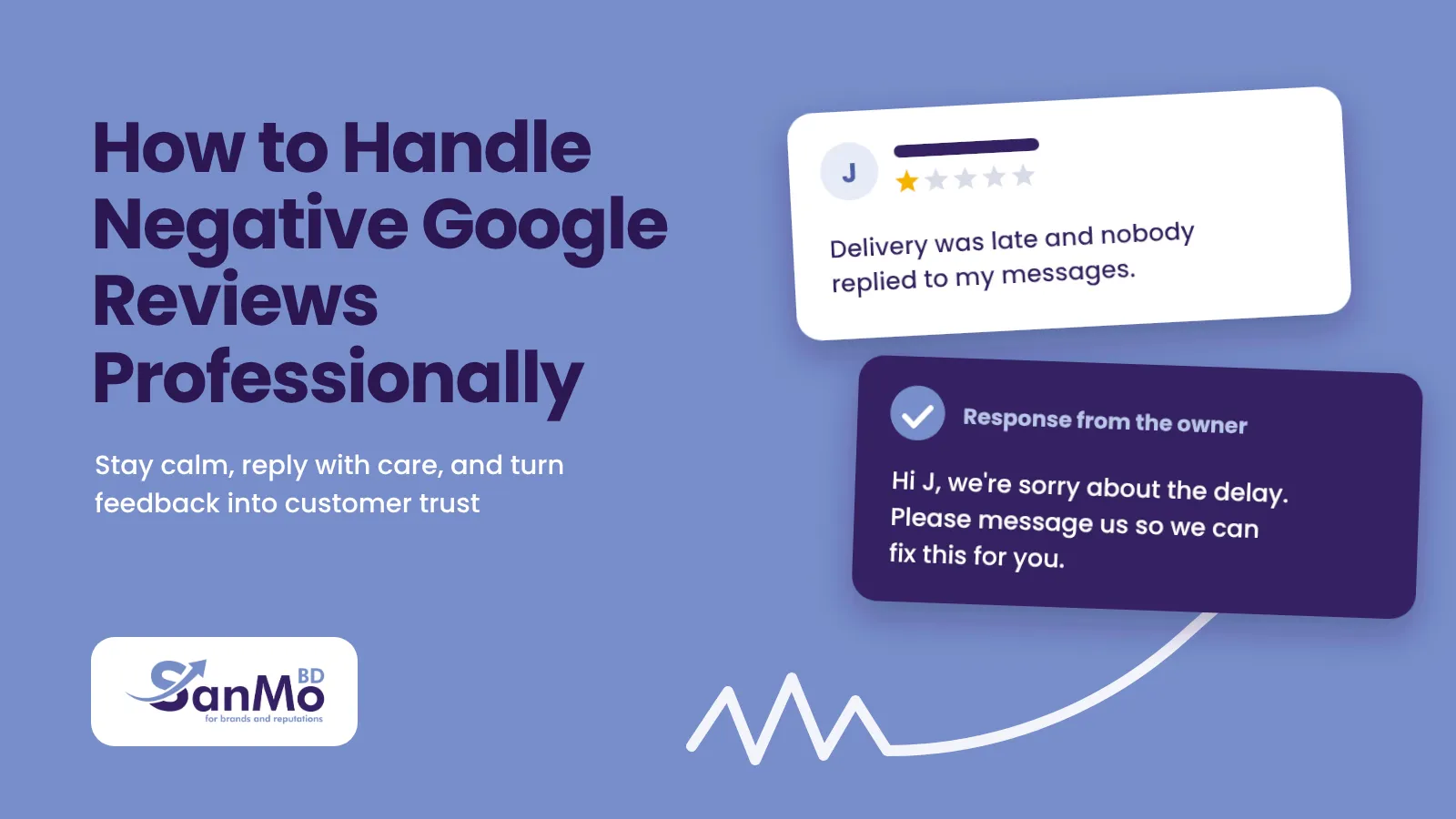
Negative reviews can affect how potential customers view a business. However, ignoring complaints or responding emotionally can make the situation worse.
The best approach is to remain calm, understand the customer’s concern, and provide a constructive response.
Understand the Customer’s Problem
Read the entire review carefully before replying. Identify the main issue and determine whether it relates to product quality, service delivery, communication, pricing, or another concern.
Acknowledge the Experience
Even if the business disagrees with the customer’s opinion, acknowledge that the customer has shared a concern.
Avoid blaming the customer or using aggressive language.
Offer a Practical Solution
Where appropriate, explain how the business can investigate or resolve the issue. Invite the customer to contact the business through an appropriate private channel.
Example of a Professional Negative Review Response
Customer Review: “I had a disappointing experience. The service was slower than expected.”
Business Response: “We’re sorry to hear that your experience did not meet expectations. We appreciate you bringing this to our attention. We would like to understand what happened and work toward a solution. Please contact our support team so we can assist you.”
What Businesses Should Avoid
- Arguing with customers publicly.
- Sharing private customer information.
- Making threats or personal attacks.
- Posting defensive or emotional replies.
- Offering a reward in exchange for deleting a negative review.
- Ignoring repeated complaints.
Google allows businesses to report reviews that violate its policies, but a review should not be reported simply because it is negative or the business disagrees with it. Only policy-violating reviews may qualify for removal. See Google’s official guidance on reporting inappropriate reviews.
Common Google Review Management Mistakes
Many businesses understand that reviews matter but make mistakes when managing them.
Ignoring Customer Reviews
Leaving customer feedback unanswered can create the impression that a business does not value customer opinions.
Buying Fake Reviews
Fake reviews may damage credibility and violate platform policies. They also create an unreliable picture of actual customer experiences.
Responding Emotionally
A defensive response can turn a small complaint into a public reputation issue. Always respond calmly and professionally.
Asking Only for Positive Reviews
Businesses should encourage honest feedback rather than selectively requesting five-star ratings. The goal should be authentic customer experiences.
Not Monitoring Reviews Regularly
If businesses check their reviews only occasionally, they may miss important complaints or opportunities to engage with customers.
Using Generic Responses
Repeated, automated-sounding replies can make customers feel that their feedback is not being taken seriously.
Avoiding these mistakes helps businesses build a more sustainable review management process.
Google Review Management and Online Reputation Management
Google Review Management is an important part of Online Reputation Management (ORM), but the two are not exactly the same.
Google Review Management focuses primarily on customer reviews published on Google. Online Reputation Management covers a wider range of online brand mentions, reviews, ratings, comments, search results, and public conversations across different platforms.
For example, a business may receive feedback on Google, Facebook, industry directories, social media, and independent review websites. Managing only Google reviews may leave other important reputation issues unnoticed.
A broader reputation strategy can include:
- Monitoring brand mentions across digital platforms.
- Managing customer reviews and feedback.
- Responding to public complaints.
- Improving brand communication.
- Identifying recurring reputation risks.
- Maintaining consistent business information.
- Building trust through authentic customer experiences.
Businesses that want to understand this broader strategy can explore our Online Reputation Management Guide.
Benefits of Professional Google Review Management Services
Managing reviews consistently requires time, communication skills, and a clear process. For businesses with multiple locations or a growing customer base, professional support can make the work more organized.
Professional review management services may help businesses with:
Regular Review Monitoring
Monitor customer feedback and identify new reviews that require attention.
Professional Review Responses
Prepare relevant, polite, and brand-appropriate responses to positive and negative feedback.
Reputation Issue Identification
Recognize repeated complaints and help businesses understand where customer experiences may need improvement.
Review Strategy Development
Create a structured process for requesting genuine reviews and maintaining regular engagement.
Business Profile Support
Help maintain accurate business information and improve the overall presentation of a Google Business Profile.
Performance Reporting
Organize review trends, customer feedback, response activity, and recurring concerns into useful reports.
Businesses looking for dedicated support can explore Review Management Services in Bangladesh.
How to Build an Effective Google Review Management Strategy
A successful strategy should be practical, consistent, and aligned with customer experience.
Here is a simple framework businesses can follow.
Create a Review Monitoring Routine
Assign responsibility for checking reviews. Establish a regular schedule so that new feedback does not remain unnoticed.
Make Review Requests Part of Customer Service
After a completed purchase or service, politely invite customers to share their honest experiences.
Businesses can use follow-up emails, SMS messages, receipts, or direct links to make the process convenient.
Develop Response Guidelines
Prepare basic response guidelines for common situations, such as:
- Positive customer feedback
- Service complaints
- Delivery-related concerns
- Product quality issues
- Unclear or suspicious reviews
Guidelines help teams maintain consistent communication while allowing each response to address the customer’s specific situation.
Track Important Review Metrics
Businesses can monitor:
- Total number of reviews
- Average star rating
- New reviews over time
- Review response rate
- Common positive feedback topics
- Repeated customer complaints
- Changes in customer sentiment
These metrics help businesses understand their reputation more clearly.
Use Feedback to Improve Operations
The purpose of review management is not simply to improve ratings. It should help businesses improve the customer experience.
If customers repeatedly report the same problem, management should investigate the root cause and take corrective action.
Google Review Management for Small Businesses in Bangladesh
For small and medium-sized businesses in Bangladesh, online trust can be especially important when customers are comparing service providers.
A potential customer in Dhaka, Uttara, Khilkhet, or another location may search Google before visiting a restaurant, contacting an agency, or purchasing a service.
A well-maintained Google Business Profile can help customers find relevant business information and evaluate previous customer experiences.
Bangladeshi businesses can improve their review management process by focusing on:
Accurate Business Information: Keep business name, address, contact number, opening hours, and services updated.
Bangla and English Communication: Respond in the language that best suits the customer’s feedback and communication preference.
Timely Responses: Monitor new reviews and respond consistently.
Authentic Customer Feedback: Encourage genuine customers to share their experiences without offering incentives for positive ratings.
Local Reputation Monitoring: Pay attention to feedback from customers in the areas and communities the business serves.
Professional Brand Communication: Use clear, respectful, and helpful language in every response.
For businesses competing in local markets, these practices can support a stronger online presence and more confident customer relationships.
How SanMo Bangladesh Helps Businesses Manage Their Online Reputation
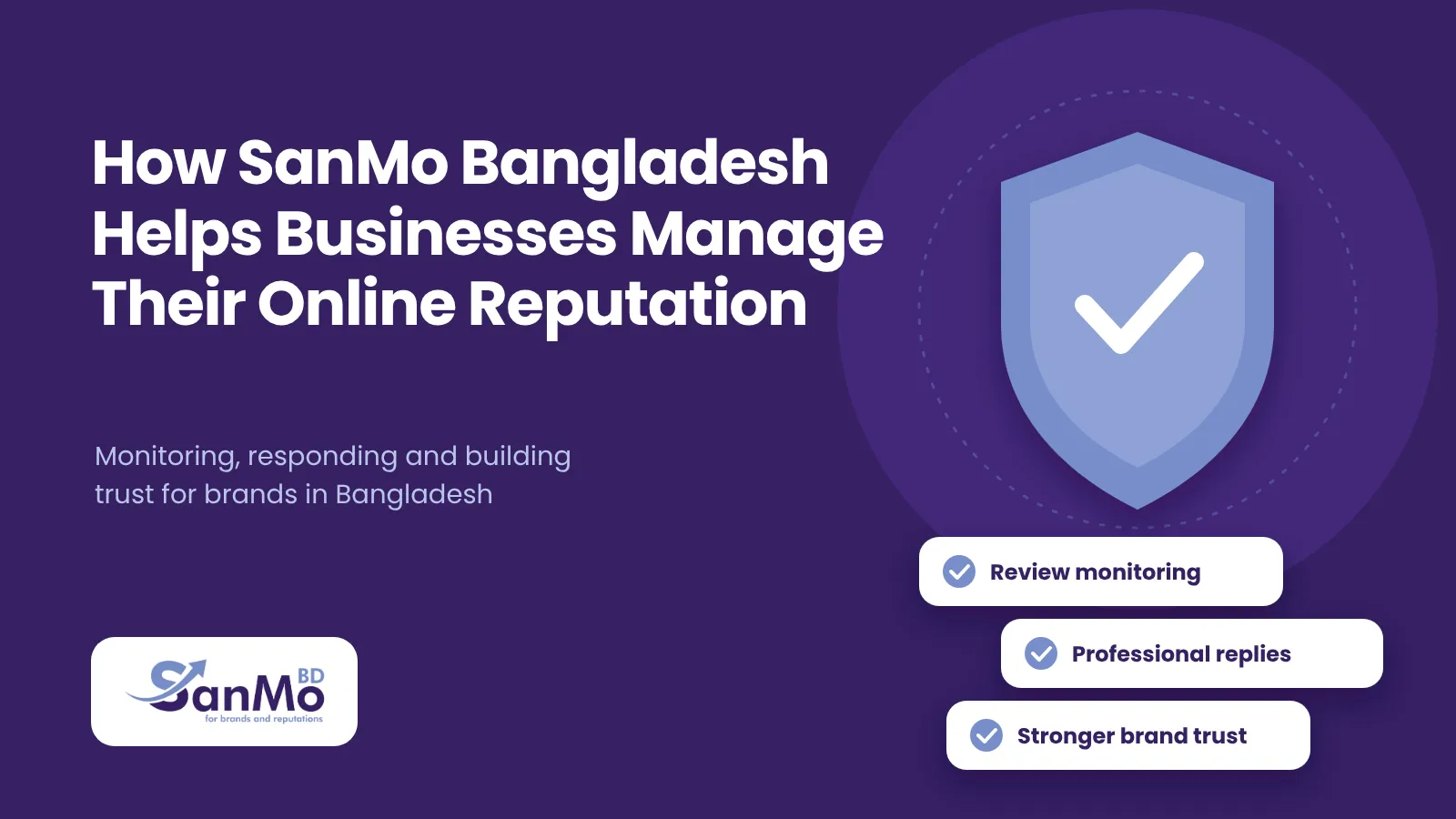
Building a trustworthy online presence requires more than publishing content or collecting customer reviews. Businesses need a consistent strategy to monitor feedback, communicate professionally, and maintain a positive digital reputation.
SanMo Bangladesh helps businesses strengthen their digital presence through reputation-focused solutions and digital services.
Its approach connects review management with broader online reputation and business growth activities.
SanMo Bangladesh can support businesses with:
- Google review monitoring and response management.
- Professional customer feedback communication.
- Online reputation management strategies.
- Google Business Profile support.
- Brand reputation monitoring.
- Digital presence improvement.
- SEO and digital marketing support.
As a digital solutions and online reputation management company, SanMo Bangladesh focuses on helping businesses improve their online visibility, strengthen brand credibility, and build meaningful customer relationships.
Whether a business is developing its digital presence or improving an established brand reputation, a structured review management strategy can make customer feedback more useful.
Visit SanMo Bangladesh to learn more about its digital solutions and reputation management services.
The Future of Google Review Management
Customer expectations continue to change as more purchasing decisions begin online. Businesses must pay attention not only to the number of reviews they receive but also to the quality of customer experiences behind them.
Technology can make review monitoring, reporting, and feedback analysis more efficient. AI-powered tools may help identify recurring topics, organize customer comments, and support faster workflows.
However, technology should not replace genuine human communication.
A customer who shares a complaint expects a meaningful response, not an irrelevant automated message. Businesses should use technology responsibly while ensuring that their communication remains accurate, helpful, and personal.
Trust will continue to depend on authentic customer experiences, transparent communication, and consistent service quality.
Conclusion
Google reviews are more than star ratings. They represent customer experiences, influence brand perception, and provide valuable information that businesses can use to improve their services.
Effective Google Review Management requires regular monitoring, professional responses, authentic review collection, and a willingness to learn from customer feedback. Businesses should never depend on fake reviews or attempt to hide genuine criticism. Instead, they should focus on transparency, customer satisfaction, and consistent communication.
For businesses in Bangladesh, building a trustworthy online reputation can support stronger customer relationships and a more credible digital presence.
With the right strategy and professional support from SanMo Bangladesh, businesses can manage customer feedback more effectively, strengthen their online reputation, and create a better experience for the people they serve.
Frequently Asked Questions About Google Review Management
1. What is Google Review Management?
Google Review Management is the process of monitoring, responding to, analyzing, and managing customer reviews on a business’s Google Business Profile. It helps businesses maintain their online reputation and build customer trust.
2. Why is Google Review Management important?
It helps businesses understand customer feedback, respond to complaints, strengthen credibility, and improve the way potential customers perceive their services.
3. How often should a business check Google reviews?
Businesses should monitor reviews regularly. The ideal frequency depends on review volume, customer activity, and available resources. High-volume businesses may need daily monitoring.
4. How should businesses respond to negative Google reviews?
Businesses should remain professional, acknowledge the customer’s concern, investigate the issue, and offer a reasonable way to resolve it. Public arguments should always be avoided.
5. Can a business remove negative Google reviews?
A business cannot remove a review simply because it is negative. It can report reviews that violate Google’s content policies. Google evaluates the report and decides whether the review qualifies for removal.
6. Are Google reviews important for local SEO?
Google reviews are a visible part of a Business Profile and can help customers evaluate local businesses. Review management should be included in a broader local SEO strategy, alongside accurate business information and relevant website content.
7. How can a business get more Google reviews?
Businesses can politely ask genuine customers to share honest feedback after a purchase or service. They can provide a direct review link and make the process convenient without pressuring customers.
8. Is it safe to buy Google reviews?
No. Buying fake reviews creates misleading customer feedback and can violate platform policies. Businesses should focus on collecting authentic reviews from real customers.
9. What is the difference between review management and reputation management?
Review management focuses on monitoring and responding to customer reviews. Reputation management is broader and includes brand mentions, public feedback, online discussions, and overall digital brand perception.
10. Can small businesses benefit from Google Review Management?
Yes. Small businesses can use review management to understand customer expectations, build credibility, respond to complaints, and improve customer communication.
11. What are Google Review Management Services?
These are professional services that help businesses monitor reviews, prepare responses, manage feedback, identify reputation issues, and develop a consistent review strategy.
12. How can SanMo Bangladesh help with Google Review Management?
SanMo Bangladesh supports businesses with online reputation management, review management, Google Business Profile support, and digital solutions designed to improve online presence and brand credibility.