Brand perception used to rely heavily on scattered press clippings, quarterly focus groups, and the occasional customer satisfaction survey. Business leaders often had to guess how the public felt about their company based on delayed and incomplete information. Today, every customer interaction, social media comment, and online review leaves a permanent digital footprint. Navigating this endless stream of information requires a highly strategic approach built entirely on solid evidence.
Advanced reputation management transforms raw online chatter into actionable business intelligence. By leveraging complex data sets and sophisticated analytics tools, companies can now anticipate public relations crises before they escalate. They can understand exactly what their audience values most and measure the direct financial impact of their communication strategies. It is no longer about simply reacting to bad news. It is about proactively building a resilient, trusted brand identity.
At SanMo BD, we understand that protecting your brand equity means adopting a proactive, data-first mindset. Organizations that fail to monitor their digital footprint risk losing their competitive edge and alienating their core customer base. This comprehensive guide explores how integrating data and analytics into your communication strategy empowers your business to monitor, shape, and secure its public perception effectively.
The Evolution of Brand Perception
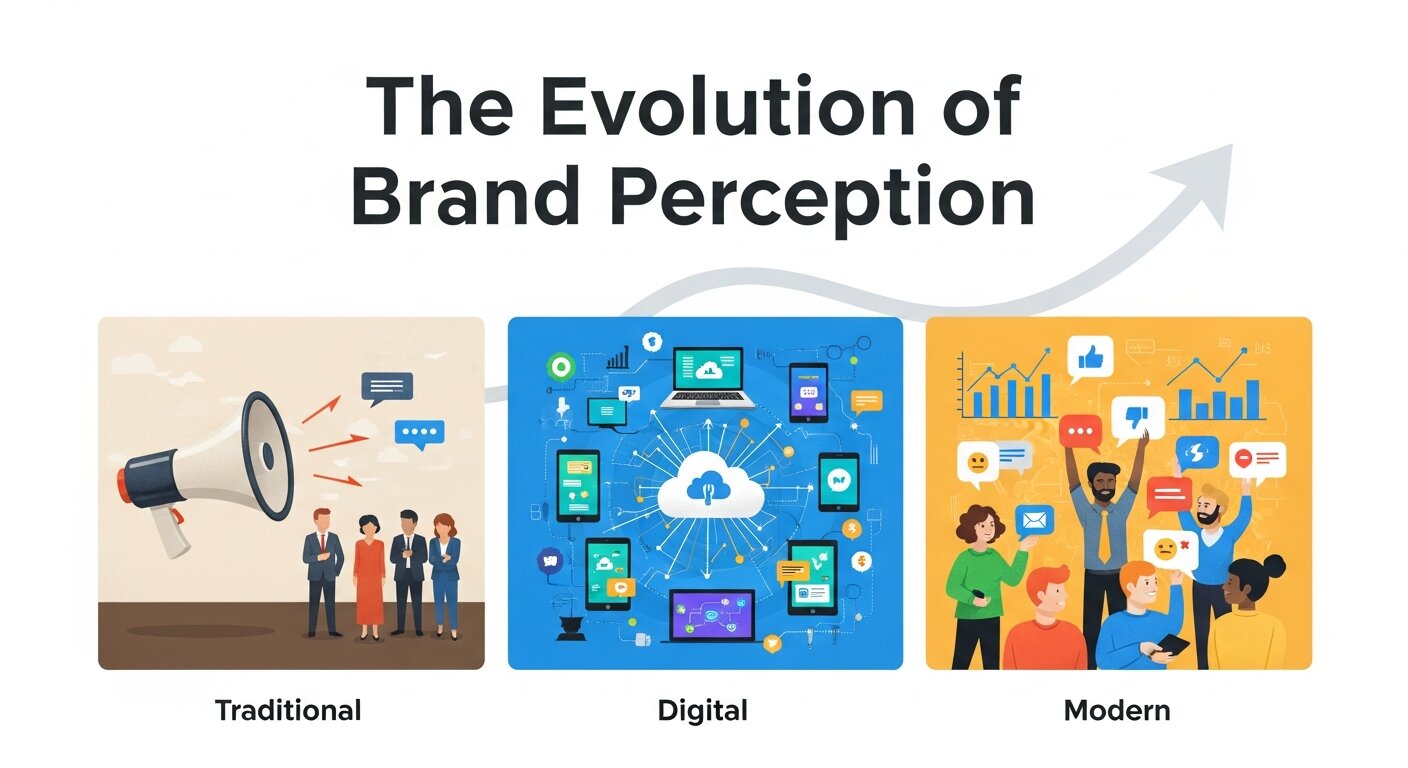 The methods used to track public sentiment have undergone a massive transformation over the past decade. Companies have shifted away from manual monitoring toward automated, highly sophisticated tracking systems.
Moving beyond basic social listening
Basic social listening involves tracking brand mentions and tallying up likes, shares, and comments. While this provides a baseline understanding of digital visibility, it falls completely short of providing real strategic value. Knowing that your brand was mentioned a thousand times in one day is useless if you do not know the context of those mentions. Advanced reputation management digs much deeper. It analyzes the specific language used, the authority of the people posting, and the underlying emotions driving the conversation.
Why gut feelings no longer work
Historically, marketing and public relations executives relied heavily on intuition to navigate brand crises. A leader might decide to issue a public apology based simply on a feeling that the public was angry. This subjective approach is highly dangerous in a digital ecosystem where narratives change by the minute. Analytics replaces this guesswork with hard metrics. Data provides objective clarity, ensuring that every public statement, marketing campaign, and customer service response is carefully calibrated to match actual audience sentiment.
Core Components of Advanced Reputation Management
To effectively guard a company’s public image, professionals rely on several key analytical pillars. These components work together to provide a 360-degree view of brand health.
Real-time sentiment analysis
Sentiment analysis uses natural language processing to categorize online mentions as positive, negative, or neutral. This technology reads through thousands of reviews, forum posts, and news articles in seconds. It identifies sarcasm, contextual complaints, and subtle shifts in public mood. By tracking sentiment in real time, organizations can instantly spot a brewing issue. If a new product launch triggers a sudden spike in negative sentiment, the company can pause the campaign, investigate the root cause, and issue a corrective statement before the narrative spirals out of control.
Predictive analytics for crisis prevention
The most effective crisis management strategy is preventing the crisis from happening in the first place. Predictive analytics use historical data to forecast future trends. By analyzing past controversies—both within your own company and across your industry—these algorithms identify the early warning signs of a public relations disaster. They can flag specific keywords, sudden drops in engagement, or unusual patterns in customer service tickets. This foresight gives your leadership team the crucial time needed to prepare a strategic response.
Competitor benchmarking and market positioning
Your brand reputation does not exist in a vacuum. It is constantly being measured against your competitors. Advanced reputation management involves continuous competitive benchmarking. Analytics tools track your rivals’ brand health, highlighting their strengths and exposing their vulnerabilities. If a competitor experiences a sudden wave of negative press regarding their customer service, your brand can capitalize on this by launching a campaign highlighting your own award-winning support team. Understanding the broader market landscape allows you to position your company as the clear, trusted alternative.
How SanMo BD Leverages Data for Your Brand
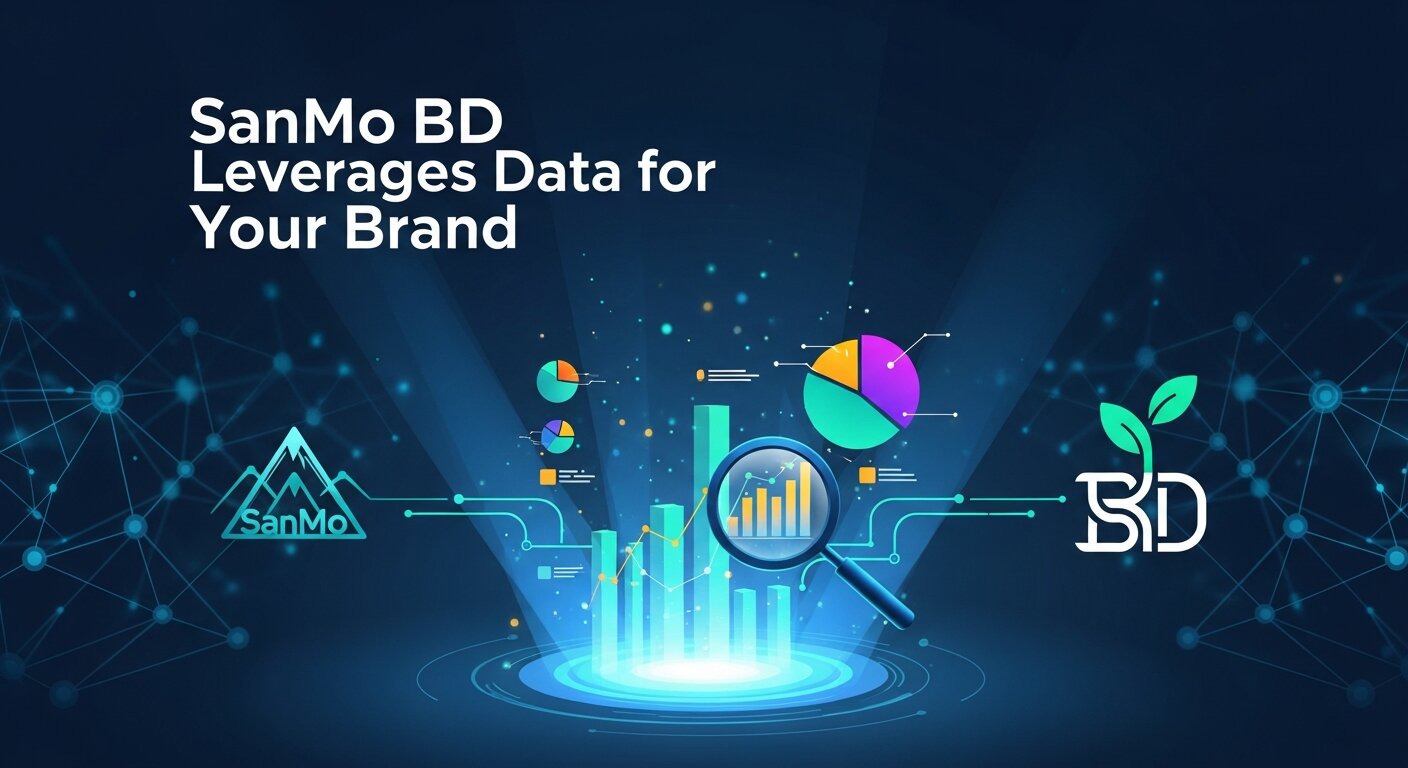 Implementing a sophisticated data strategy requires specialized expertise. SanMo BD provides organizations with the tools and insights needed to navigate complex public narratives safely.
Strategic data collection
Data is only valuable if it is accurate and highly relevant. SanMo BD casts a wide net, collecting data from global news outlets, niche industry forums, major social networks, and specialized review sites. We filter out the irrelevant noise and focus entirely on the signals that actually impact your bottom line. Our comprehensive tracking ensures that no critical mention slips through the cracks, giving you complete visibility into your brand’s digital ecosystem.
Actionable intelligence and reporting
Raw numbers can quickly overwhelm even the most experienced executive teams. SanMo BD excels at translating complex data sets into clear, highly actionable intelligence. We provide our clients with customized dashboards that highlight key performance indicators, emerging risks, and new growth opportunities. Instead of handing you a spreadsheet full of numbers, we deliver strategic recommendations. We tell you exactly what the data means and precisely what steps you need to take next to protect and elevate your brand.
Measuring the ROI of Reputation Management
Business leaders rightfully demand to see a tangible return on investment for every corporate initiative. Analytics make it possible to directly link brand perception to financial performance.
Correlating perception with revenue
A strong reputation drives customer acquisition and builds long-term loyalty. By overlaying sentiment data with sales figures, companies can see the exact financial impact of their public image. A sustained increase in positive brand sentiment often correlates directly with higher conversion rates and lower customer acquisition costs. Conversely, a prolonged dip in reputation can lead to measurable drops in quarterly revenue. Tracking these correlations proves the financial necessity of maintaining a pristine public image and justifies the investment in advanced analytical tools.
The Role of Artificial Intelligence in Reputation Management
Artificial Intelligence has become one of the most powerful tools in advanced reputation management. AI-powered systems can analyze massive amounts of online data in seconds, uncovering trends and identifying risks that humans might overlook. These systems monitor social media conversations, customer reviews, news coverage, and forums around the clock, ensuring that brands never miss important developments. AI can also recognize patterns in customer behavior and predict how audiences may react to future campaigns or announcements. This allows businesses to take preventive action instead of waiting for a crisis to emerge. As digital conversations continue to grow, companies that integrate AI into their reputation strategies gain a significant advantage in protecting and strengthening their public image.
Building Customer Trust Through Transparency
 Trust is one of the most valuable assets a business can possess, and transparency is the foundation upon which that trust is built. Customers expect companies to communicate honestly, admit mistakes, and provide clear explanations when problems arise. Advanced reputation management helps organizations monitor customer concerns and respond with openness and accountability. Sharing company values, publishing accurate information, and maintaining consistent communication create a stronger connection with audiences. Transparency also reduces misinformation and demonstrates that the company values its customers’ opinions. Over time, businesses that prioritize honest communication establish a reputation for reliability, making customers more likely to remain loyal and recommend the brand to others.
The Importance of Reputation Monitoring Across Multiple Channels
Consumers interact with brands across dozens of platforms every day. They leave reviews on search engines, discuss products on social media, and share experiences in online communities. Monitoring only one or two channels leaves businesses vulnerable to missing important conversations. Advanced reputation management requires a comprehensive approach that tracks mentions across social networks, review websites, blogs, news outlets, and industry forums simultaneously. This multi-channel visibility ensures that businesses gain a complete understanding of public sentiment and can respond quickly to emerging issues. By maintaining awareness across all relevant platforms, organizations protect their reputation more effectively and strengthen their relationship with customers.
Managing Reputation During a Crisis
No company is immune to unexpected challenges. Product failures, customer complaints, or negative media coverage can quickly escalate into a public relations crisis if not handled correctly. Advanced reputation management equips businesses with the tools needed to respond rapidly and strategically. Real-time alerts notify teams when negative sentiment begins to rise, allowing leaders to investigate and communicate before the situation worsens. Clear messaging, honest communication, and a willingness to address concerns publicly often determine how quickly a brand recovers. Organizations that prepare crisis management plans in advance are better positioned to protect customer trust and maintain long-term credibility, even during difficult situations.
Employee Advocacy and Its Impact on Brand Reputation
Employees are among the most influential ambassadors a company has. Their experiences, opinions, and interactions with customers shape public perception in powerful ways. Advanced reputation management recognizes the importance of employee advocacy by encouraging staff to share positive experiences and represent the company’s values authentically. When employees feel valued and engaged, they naturally become advocates for the brand, helping build trust among customers and industry peers. At the same time, monitoring employee sentiment can reveal internal challenges before they affect public perception. A strong internal culture often translates into a stronger external reputation, making employee advocacy an essential component of any long-term reputation strategy.
Data Privacy and Reputation Management
 As businesses collect and analyze increasing amounts of customer data, protecting privacy has become a crucial part of reputation management. Consumers expect organizations to handle their personal information responsibly and transparently. A single data breach or privacy scandal can severely damage public trust and take years to repair. Advanced reputation management includes monitoring conversations related to privacy concerns, ensuring compliance with regulations, and communicating clearly about how customer data is used. Businesses that prioritize security and ethical data practices demonstrate accountability and strengthen customer confidence. In today’s digital economy, safeguarding privacy is not just a legal obligation—it is a critical factor in maintaining a positive reputation.
Future Trends in Advanced Reputation Management
The future of reputation management will be shaped by emerging technologies and evolving consumer expectations. Artificial intelligence, predictive analytics, and machine learning will continue to improve the speed and accuracy of sentiment analysis. Businesses will increasingly rely on automation to detect risks, personalize communication, and forecast changes in public opinion. At the same time, customers will demand greater transparency, ethical business practices, and faster responses to their concerns. Companies that adapt to these trends and invest in advanced reputation management technologies will be better equipped to build trust and maintain a competitive advantage. The organizations that succeed will be those that treat reputation not as a reactive task, but as a strategic asset that drives long-term growth.
Frequently Asked Questions
What is Advanced Reputation Management?
Advanced reputation management is the practice of using sophisticated data analytics, sentiment tracking, and predictive modeling to monitor and shape a company’s public image. Unlike traditional methods, it relies on real-time data to anticipate crises and measure the exact impact of public relations strategies.
Why is sentiment analysis important for my business?
Sentiment analysis automatically categorizes online mentions as positive, negative, or neutral. It allows your business to understand the underlying emotions of your customer base at scale. This helps you identify potential issues early, tailor your marketing messages, and improve overall customer satisfaction.
How does SanMo BD help improve brand perception?
SanMo BD utilizes cutting-edge data collection and analysis tools to monitor your digital footprint continuously. We translate complex data into actionable intelligence, providing your leadership team with clear strategies to prevent crises, outmaneuver competitors, and build lasting consumer trust.
Can predictive analytics really stop a PR crisis?
Yes. Predictive analytics review historical data and current online behaviors to identify the early warning signs of a developing issue. By spotting these trends before they go viral, your company gains the critical time needed to address the root cause and control the narrative, often preventing the crisis entirely.
Take Control of Your Brand’s Narrative
Leaving your brand’s public perception to chance is a risk no modern business can afford to take. The digital landscape is too volatile, and consumer expectations are entirely too high. Embracing data and analytics allows you to move from a defensive posture to a proactive, highly strategic position. You gain the power to shape the conversation, build unbreakable trust with your audience, and safeguard your company’s future.
If you are ready to stop guessing and start knowing exactly how the world views your company, the team at SanMo BD is here to help. Reach out to our experts today to discover how our tailored, data-driven strategies can secure your brand’s legacy and drive sustainable growth.