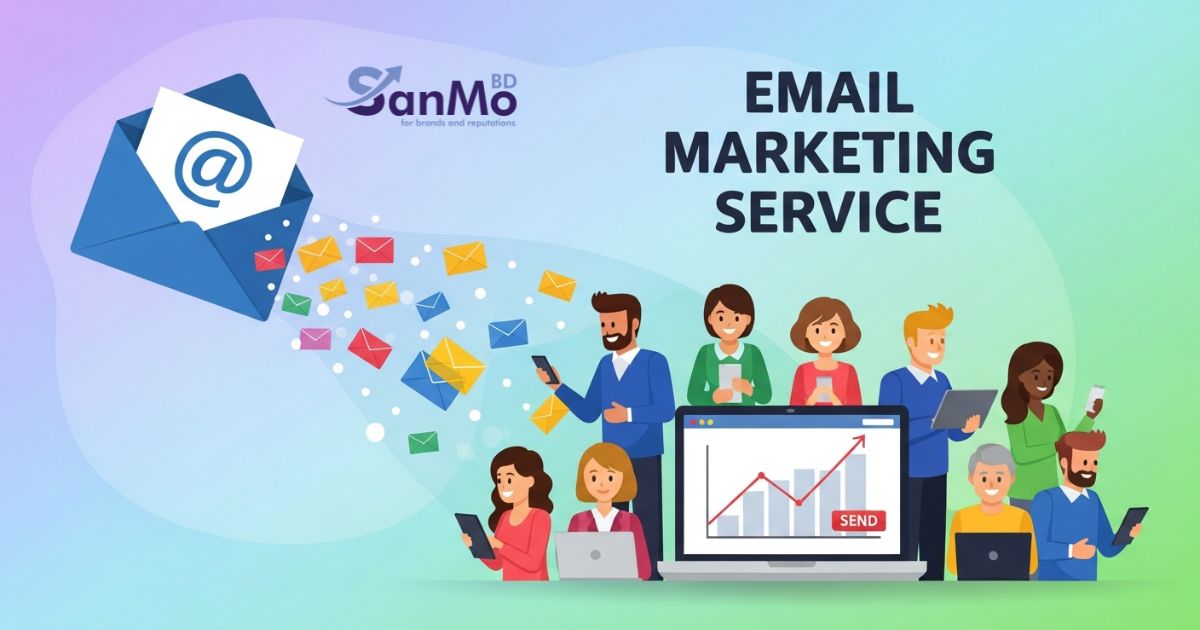
Generic emails get ignored. Personalized ones get results. If your business is still sending the same message to every subscriber on your list, you’re leaving serious engagement—and revenue—on the table.
Personalization has fundamentally changed what customers expect from brands. According to McKinsey & Company, 71% of consumers expect companies to deliver personalized interactions, and 76% get frustrated when that doesn’t happen. Email marketing sits right at the heart of this shift. When done well, a personalized email marketing service doesn’t just boost open rates—it builds genuine relationships between brands and their customers.
This post breaks down exactly how personalized email marketing services improve customer engagement, what strategies actually work, and how businesses like SanMo BD can use these techniques to stay ahead of the competition.
What Is Personalized Email Marketing?
Personalized email marketing goes far beyond inserting a customer’s first name into a subject line. At its core, it means using data—behavioral, demographic, and transactional—to craft messages that feel relevant to each individual recipient.
A robust email marketing service collects and analyzes this data to segment audiences, trigger automated campaigns at the right moments, and deliver content that aligns with where each customer is in their journey. The result? Emails that don’t feel like marketing. They feel like communication.
This distinction matters. Customers are bombarded with promotional content every day. The brands that cut through the noise are those that send messages their audience actually wants to read.
Why Personalization and Customer Engagement Go Hand in Hand
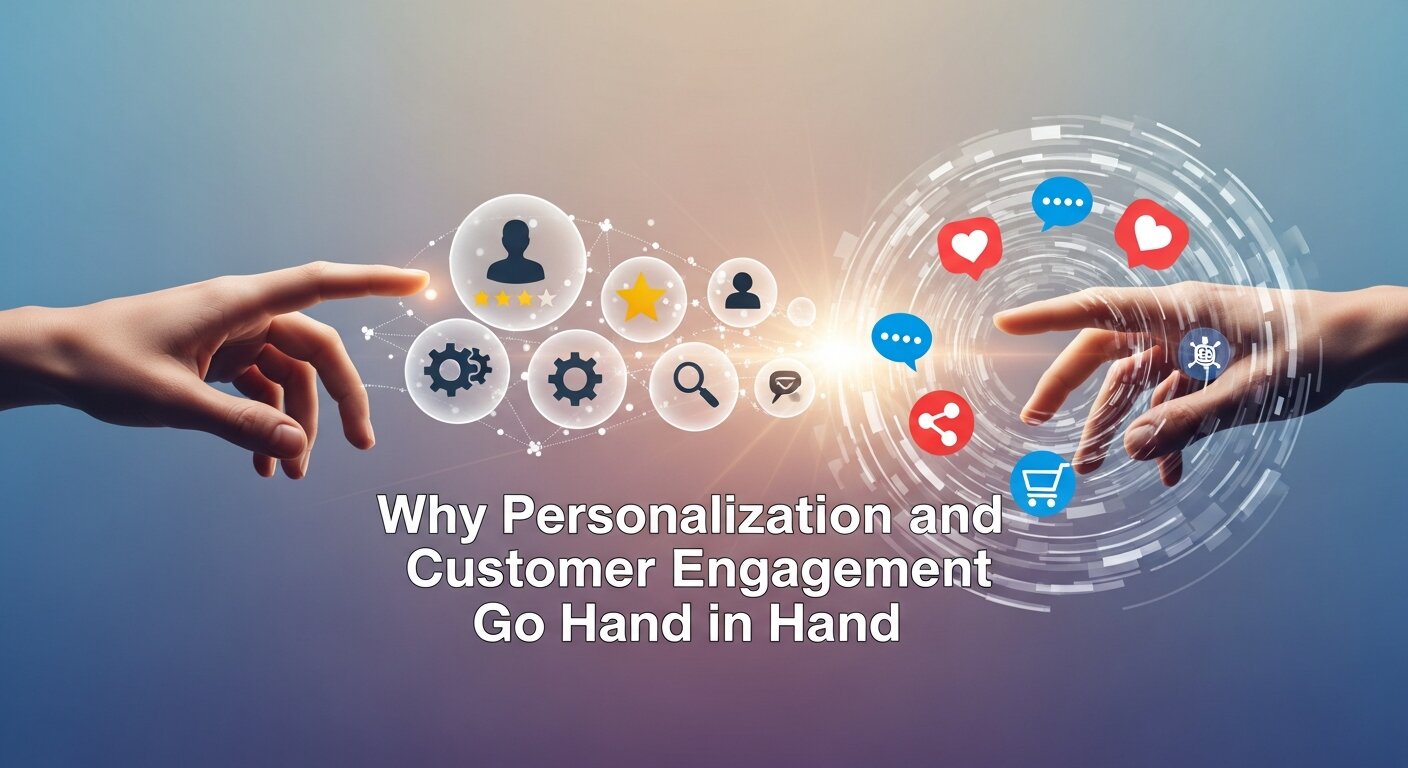 Customer engagement is about more than clicks and opens. It reflects the depth of the relationship between a brand and its audience—how much customers trust you, how often they interact with you, and whether they keep coming back.
Personalized email marketing strengthens each of these dimensions. Here’s why:
Relevance drives attention: When an email speaks directly to a customer’s needs or interests, they’re far more likely to engage with it. A customer who recently browsed a product category shouldn’t receive a generic newsletter—they should receive a follow-up featuring exactly what they were looking at.
Timing amplifies impact: Sending the right message at the wrong time is nearly as bad as sending the wrong message entirely. Personalized email marketing services use behavioral triggers—like cart abandonment, post-purchase moments, or re-engagement windows—to reach customers when they’re most receptive.
Consistency builds trust: When customers receive emails that consistently reflect their preferences and history with your brand, they feel seen. That sense of recognition transforms one-time buyers into loyal advocates.
Key Strategies That Personalized Email Marketing Services Use
Audience Segmentation: Sending the Right Message to the Right People
Segmentation is the foundation of personalization. Rather than treating your entire email list as one homogeneous group, segmentation divides subscribers into smaller groups based on shared characteristics.
Common segmentation criteria include:
- Demographics: Age, location, gender, job title
- Purchase history: What customers have bought, how often, and how much they’ve spent
- Engagement level: Active subscribers vs. those who haven’t opened an email in months
- Stage in the customer journey: New leads, first-time buyers, repeat customers, or churned users
SanMo BD’s email marketing service takes segmentation seriously, building targeted lists that ensure every message reaches the audience most likely to act on it. This approach dramatically reduces unsubscribe rates and improves overall campaign performance.
Behavioral Triggers: Emails That Respond to What Customers Actually Do
Behavioral email marketing is one of the most powerful tools in a personalized email strategy. Instead of scheduling campaigns in advance, triggered emails fire automatically in response to specific customer actions—or inactions.
Some high-performing behavioral triggers include:
- Welcome emails: Sent immediately after a new subscriber joins, these set the tone for the relationship
- Abandoned cart emails: Reminding customers of what they left behind can recover significant lost revenue
- Browse abandonment: When a customer spends time on a product page but doesn’t add to cart, a timely nudge can push them toward a decision
- Post-purchase sequences: Follow-up emails that thank customers, offer product tips, or recommend complementary items drive repeat purchases
- Win-back campaigns: Targeting lapsed customers with a compelling offer or message to reignite the relationship
According to Epsilon, triggered emails generate 4x more revenue per email than standard marketing messages. This performance gap underscores why a sophisticated email marketing service needs behavioral automation at its core.
Dynamic Content: One Email, Many Experiences
Dynamic content allows a single email template to display different content blocks depending on who’s opening it. A customer in Sydney sees a different product recommendation than a customer in New York—all from the same campaign.
This technique extends personalization beyond the subject line and into the body of the email itself. Dynamic content can adapt based on:
- Geographic location (relevant local offers, shipping times, store locations)
- Past purchase behavior (recommending complementary or frequently reordered products)
- Customer tier (exclusive content or rewards for VIP members)
- Browsing history (surfacing products the customer has previously viewed)
When implemented correctly, dynamic content makes every email feel as though it was written specifically for the person reading it.
Personalized Subject Lines and Preheader Text
The subject line determines whether your email gets opened at all. Personalized subject lines—those that reference the recipient’s name, location, recent behavior, or preferences—consistently outperform generic alternatives.
Campaign Monitor reports that personalized subject lines are 26% more likely to be opened. But effective personalization in subject lines goes beyond a first name. Referencing something specific—”Your cart is waiting, [Name]” or “Based on your recent purchase, you might love this”—signals that the email has something genuinely relevant inside.
Preheader text, the short preview that appears alongside the subject line in most email clients, works as a second hook. Treating it as an extension of the subject line, rather than an afterthought, can meaningfully improve open rates.
A/B Testing: Continuously Improving Personalization
Personalization isn’t a one-and-done setup. The best email marketing services build continuous improvement into their workflows through A/B testing.
Testing allows marketers to compare two versions of an email—different subject lines, calls to action, content blocks, send times, or personalization approaches—and identify which performs better. Over time, these incremental improvements compound into significantly stronger campaign performance.
SanMo BD’s email marketing service incorporates systematic A/B testing as a standard part of campaign management, ensuring that strategies evolve based on real data rather than assumptions.
How Personalization Impacts Key Email Marketing Metrics
 The business case for personalized email marketing is well-supported by data. Here’s how personalization influences the metrics that matter:
- Open rates: Personalized subject lines and sender names improve open rates by making emails feel relevant before the recipient has even clicked
- Click-through rates (CTR): Relevant content and well-timed calls to action drive higher CTR compared to generic messaging
- Conversion rates: Emails that align with a customer’s specific interests or stage in the buying journey convert at significantly higher rates
- Unsubscribe rates: When customers consistently receive relevant content, they have far less reason to unsubscribe
- Customer lifetime value (CLV): Personalized post-purchase sequences and loyalty programs encourage repeat purchases, directly increasing CLV
Each of these metrics reflects a deeper truth: personalization makes the customer feel that communicating with your brand is worth their time.
Common Mistakes That Undermine Email Personalization
Even the best intentions can go wrong. Several common mistakes prevent businesses from getting the most out of their email marketing service:
Over-relying on first-name personalization: Addressing someone by name is a baseline expectation, not a differentiation strategy. Customers see through surface-level personalization instantly.
Using outdated or inaccurate data: Sending a “We miss you!” email to someone who made a purchase yesterday—or recommending products they’ve already bought—damages credibility fast.
Segmenting too broadly: Creating only two or three audience segments limits the impact of personalization. The more granular your segmentation, the more targeted and effective your campaigns become.
Ignoring mobile optimization: More than 60% of emails are opened on mobile devices. Personalized content that looks great on desktop but breaks on mobile wastes all the effort put into the message itself.
Failing to test: Running campaigns without A/B testing means missing out on continuous improvement. What works today may not work next quarter—data should always drive decisions.
Start Making Every Email Count
Personalized email marketing has moved from a competitive advantage to a baseline customer expectation. Brands that continue sending one-size-fits-all campaigns will see engagement steadily decline. Those that invest in a sophisticated email marketing service—one that leverages segmentation, behavioral triggers, dynamic content, and continuous testing—will build stronger customer relationships and deliver measurable business results. The technology and strategies to do this well exist right now. The only question is whether you’ll use them.
How Email Automation Strengthens Customer Retention
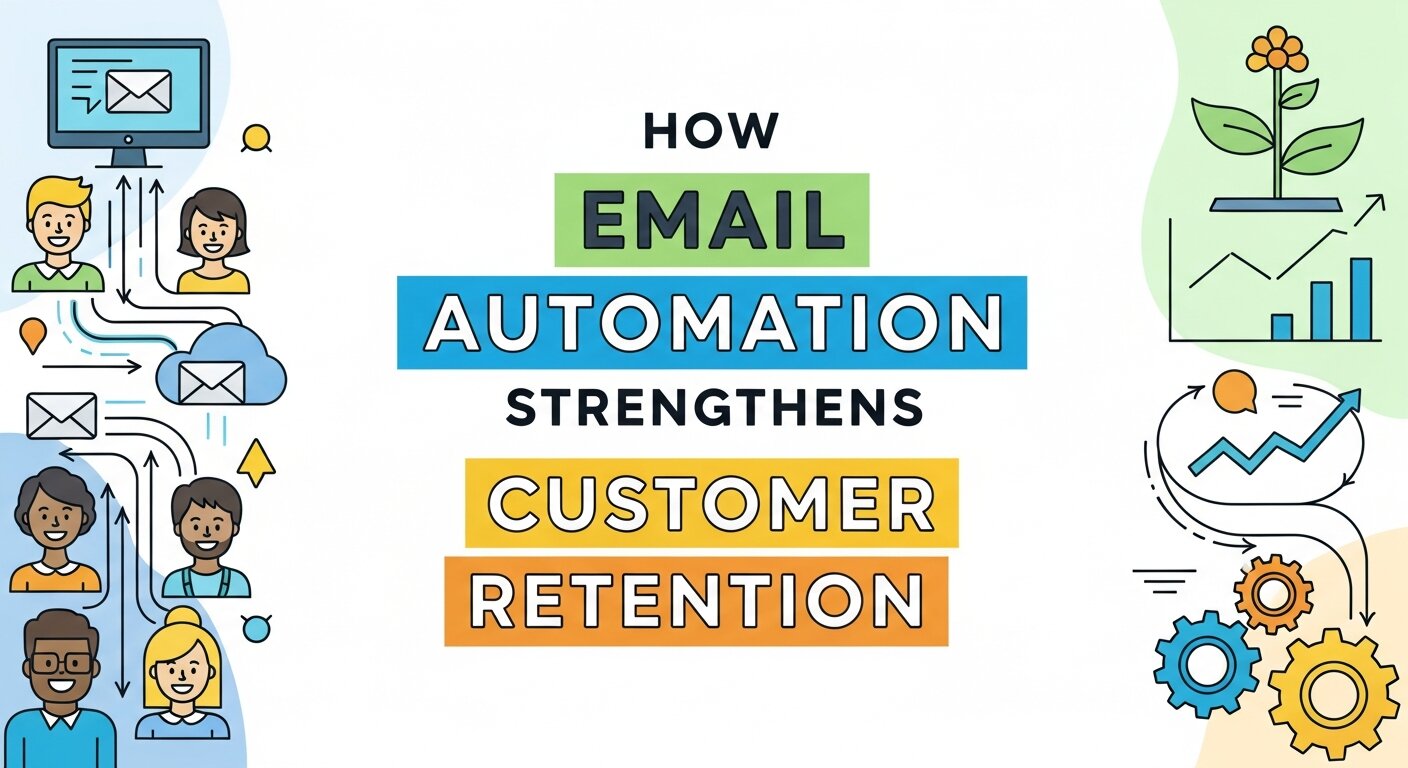 Email automation allows businesses to maintain consistent communication without requiring marketers to manually send every message. Automated campaigns can be triggered by important customer milestones, including account registration, purchases, renewals, birthdays, or periods of inactivity. This creates timely touchpoints that keep the brand relevant throughout the customer lifecycle. Retention-focused automation can also deliver educational content, product recommendations, loyalty rewards, and helpful reminders based on individual customer behavior. Instead of waiting until customers become inactive, businesses can use engagement data to identify declining activity and respond with relevant messages. A well-designed automated email journey helps customers receive useful information at the right time, strengthening relationships and encouraging repeat interactions. For businesses using an email marketing service, automation provides a scalable way to improve retention while reducing repetitive marketing work.
How to Measure the Success of Personalized Email Campaigns
 Measuring personalized email campaigns requires looking beyond open rates. Businesses should evaluate click-through rates, conversion rates, revenue per email, unsubscribe rates, engagement trends, and customer retention to understand whether personalization is producing meaningful results. Comparing segmented campaigns with broader campaigns can reveal which audience groups respond most strongly to specific messages. Marketers should also monitor deliverability metrics, including bounce rates and spam complaints, because poor list quality can undermine campaign performance. Tracking conversions through the entire customer journey provides an even clearer picture of return on investment. Regular reporting helps identify successful strategies and areas that need improvement. By combining campaign analytics with customer behavior data, businesses can continuously refine their personalization strategy and create email experiences that become more relevant and effective over time.
Frequently Asked Questions
What is a personalized email marketing service?
A personalized email marketing service is a platform or managed service that uses customer data—such as demographics, purchase history, and behavior—to deliver tailored email campaigns to individual subscribers. Rather than sending one generic message to an entire list, personalized services segment audiences and automate relevant content delivery at scale.
How does email personalization improve customer engagement?
Personalization improves engagement by making emails feel relevant to each recipient. When customers receive messages that align with their interests, behavior, or position in the buying journey, they’re more likely to open, click, and convert. Personalized campaigns also reduce unsubscribes by ensuring customers receive value—not noise—from every email.
What data is needed to personalize email marketing campaigns?
Effective email personalization requires data like subscriber names and locations, purchase and browsing history, engagement behavior (opens, clicks, time spent on site), and customer lifecycle stage. Most email marketing services integrate with CRM platforms and e-commerce systems to collect and activate this data automatically.
How is email segmentation different from personalization?
Segmentation groups subscribers based on shared characteristics (e.g., location, purchase history, or engagement level). Personalization uses those segments—along with individual data points—to craft messages that feel one-to-one. Segmentation is the infrastructure; personalization is the execution.
Is personalized email marketing suitable for small businesses?
Yes. While enterprise brands often have larger data sets to work with, even small businesses can implement meaningful personalization through basic segmentation, behavioral triggers like welcome and abandoned cart emails, and personalized subject lines. Many email marketing services offer scalable tools that make personalization accessible regardless of business size.
How long does it take to see results from a personalized email marketing strategy?
Results vary depending on list size, industry, and campaign complexity, but most businesses see measurable improvements in open and click-through rates within the first few campaigns. More significant outcomes—like increased customer lifetime value and reduced churn—typically emerge over three to six months of consistent, data-informed execution.
How SanMo BD Approaches Personalized Email Marketing
SanMo BD’s email marketing service is built around the principle that every subscriber deserves a relevant experience. From initial list segmentation through to automated behavioral sequences and dynamic content delivery, SanMo BD combines strategy, data, and creative execution to help businesses connect with their audiences meaningfully.
Whether you’re looking to improve engagement with existing customers, recover lost leads, or build long-term loyalty, a well-executed personalized email marketing strategy is one of the highest-ROI investments available to modern businesses.