Brands spent over $21 billion on influencer marketing in 2023, and that number keeps climbing. Yet plenty of companies sink their budget into influencer campaigns and walk away with little more than a few likes and a bruised spreadsheet. The difference between a campaign that delivers and one that disappoints almost always comes down to strategy—and the influencer marketing services behind it.
This post breaks down what influencer marketing services actually include, how to choose the right ones, and what a high-performing campaign looks like in practice. By the end, you’ll have a clear picture of how to put your brand in front of the right audiences and measure the return on every dollar spent.
What Are Influencer Marketing Services?
Influencer marketing services refer to the strategies, tools, and managed solutions that connect brands with social media creators to promote products or build awareness. These services can be handled in-house, through a dedicated agency, or via a platform that automates parts of the process.
At the core, influencer marketing services cover:
- Creator discovery and vetting — identifying influencers whose audience aligns with your target market
- Campaign strategy and brief development — setting objectives, messaging, and deliverables
- Contract negotiation and management — handling rates, usage rights, and timelines
- Content review and approval — ensuring brand consistency before anything goes live
- Performance tracking and reporting — measuring reach, engagement, conversions, and ROI
Done well, these services remove the guesswork and replace it with a repeatable, data-driven approach to creator partnerships.
Why Influencer Marketing Delivers Strong ROI
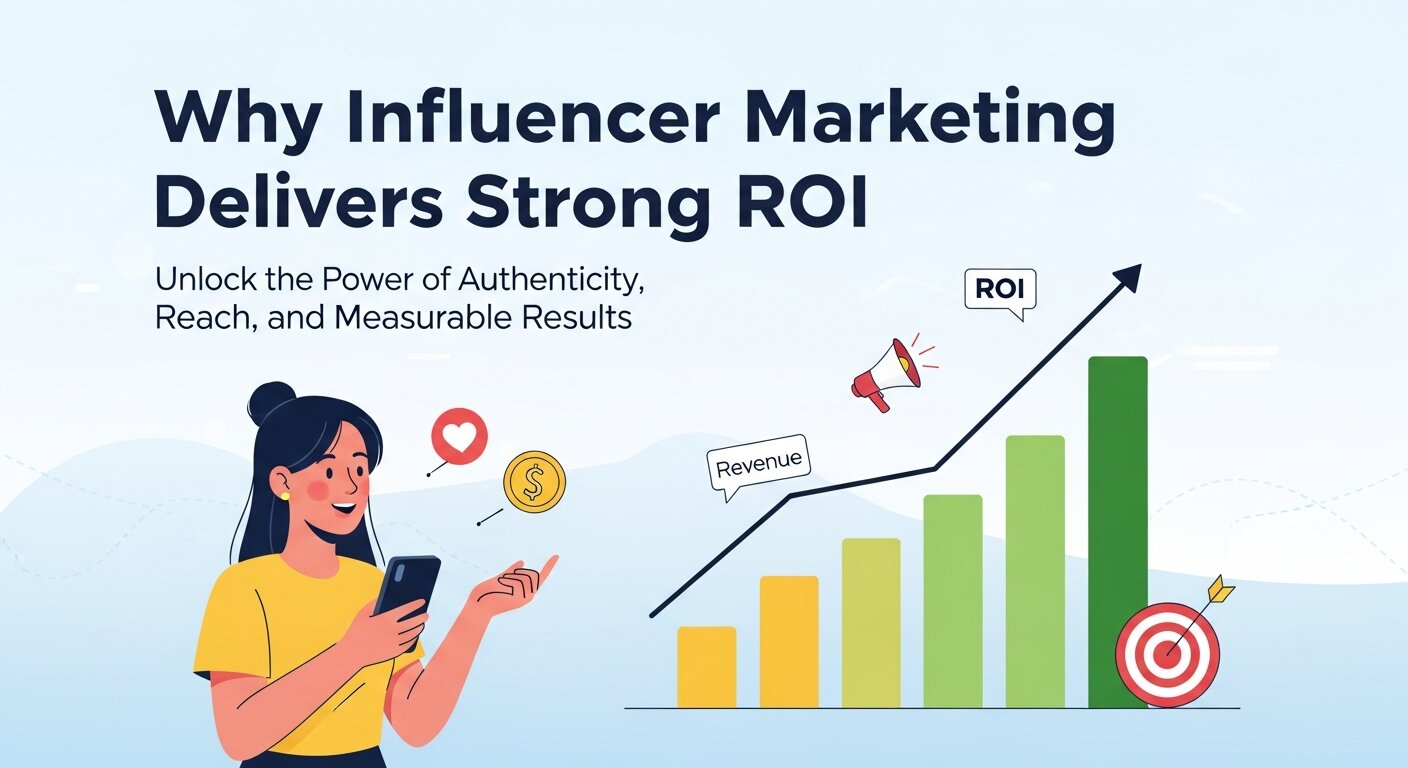 Paid advertising costs have surged across every major platform. Click-through rates on display ads hover below 0.1%, and consumers have grown increasingly immune to traditional promotional formats. Influencer content works differently—it arrives through a trusted voice, embedded in content people actually choose to watch.
According to the Influencer Marketing Hub’s 2023 Benchmark Report, businesses earn an average of $5.78 for every $1 spent on influencer marketing. That’s a compelling return, though it varies significantly depending on niche, platform, and how well the campaign is executed.
ROI is driven by a few key factors:
Audience trust: Followers actively choose to engage with creators they admire. A product recommendation from a trusted influencer carries far more weight than a banner ad.
Contextual fit: When a fitness influencer reviews a protein supplement or a design creator showcases a productivity app, the product fits naturally into existing content. That relevance shortens the path from discovery to purchase.
Compounding content value: Unlike a paid ad that disappears when your budget runs out, influencer content stays live. A well-placed YouTube review can continue driving traffic and conversions months or even years after publication.
How to Choose the Right Influencer Marketing Services for Your Brand
Not every service offering is built the same, and the right choice depends on your goals, budget, and internal capacity.
What should you look for in a full-service influencer marketing agency?
A full-service agency like SanMo BD handles the entire campaign lifecycle—from identifying the right creators to reporting on final results. This model suits brands that want expert oversight without building an in-house team.
Key things to evaluate:
- Track record across your industry: An agency experienced in your niche will have pre-existing creator relationships and category-specific benchmarks to work from.
- Vetting methodology: How does the agency assess influencer authenticity? Fake followers and inflated engagement rates are still rampant. A credible service uses third-party tools to audit audience quality before any agreement is signed.
- Transparency in reporting: Ask upfront what metrics will be tracked and how they connect to your business objectives. Vanity metrics like impressions tell only part of the story.
- Flexibility across platforms: TikTok, Instagram, YouTube, and LinkedIn serve different audiences and content formats. A capable partner understands the nuances of each.
When does a self-serve influencer platform make sense?
Self-serve platforms work well for brands with an internal marketing team that wants more control over creator selection and campaign execution. These tools provide access to creator databases, outreach templates, and performance dashboards—but the strategy and relationship management remain your responsibility.
The tradeoff: lower service fees, higher time investment.
For growing businesses that lack dedicated resources, partnering with a specialist agency is typically the more efficient path to meaningful results.
The Key Components of a High-Performing Influencer Campaign
Defining clear campaign objectives before outreach begins
Every successful influencer campaign starts with a specific goal. Brand awareness campaigns prioritize reach and impressions. Conversion-focused campaigns optimize for clicks, sign-ups, or sales. The goal shapes everything: which creators you choose, what content format you commission, and how you measure success.
Trying to achieve both simultaneously without clear prioritization is one of the most common reasons campaigns underperform.
Matching creator tiers to your campaign goals
Influencers are typically categorized by follower count:
- Nano influencers (1K–10K followers): High engagement rates, very niche audiences, cost-effective for local or community-driven campaigns
- Micro influencers (10K–100K followers): Strong trust and topic authority, ideal for product launches and targeted awareness
- Macro influencers (100K–1M followers): Broader reach, higher production value, suited to national brand campaigns
- Mega/celebrity influencers (1M+): Maximum reach, premium pricing, lower engagement rates relative to audience size
A common misconception is that bigger always means better. Micro influencers frequently outperform macro influencers on engagement rate and conversion, particularly in specialized categories like wellness, home improvement, and B2B software.
Building a creative brief that gives influencers room to create
Influencers know their audiences. Brands that hand creators rigid, corporate-sounding scripts tend to produce content that their followers immediately recognize as inauthentic—and scroll past accordingly.
An effective creative brief sets the boundaries (key messages, mandatory disclosures, prohibited claims) while leaving room for the creator’s voice. The goal is brand-aligned content that still feels native to the creator’s feed.
Tracking the metrics that actually matter
Reach and impressions indicate how many people saw the content. But for most brands, the more important metrics sit further down the funnel:
- Engagement rate: Likes, comments, shares, and saves as a percentage of audience size
- Link clicks and traffic: Measured via UTM parameters or unique landing pages
- Conversions: Tracked through affiliate links, promo codes, or pixel-based attribution
- Cost per acquisition (CPA): Total campaign spend divided by the number of conversions generated
SanMo BD builds custom tracking frameworks for each campaign, ensuring clients can connect influencer activity directly to revenue outcomes—not just awareness metrics.
Common Mistakes That Undercut Influencer Marketing ROI
 Even well-intentioned campaigns fall short when these mistakes go unchecked:
Prioritizing follower count over audience fit: A creator with 500,000 followers in the wrong demographic delivers less value than a micro influencer with 20,000 highly engaged followers in exactly your target market.
Skipping the audience audit: Purchased followers and engagement pods are still widespread. Always verify audience authenticity before committing budget.
One-and-done campaigns: Single posts rarely generate sustained results. Long-term creator partnerships build familiarity and trust with audiences over time, which significantly improves conversion rates.
No exclusivity or usage rights agreements: Brands that invest in high-quality creator content should negotiate usage rights upfront. This allows you to repurpose top-performing content across paid channels—often at a fraction of original production costs.
Ignoring FTC disclosure requirements: Every paid partnership must be clearly disclosed. Non-compliance exposes both the brand and the creator to regulatory risk.
What Makes SanMo BD’s Influencer Marketing Services Stand Out
SanMo BD offers end-to-end influencer marketing services designed for brands that need measurable results, not just campaign activity. The approach combines data-driven creator selection with hands-on campaign management and transparent performance reporting.
Rather than applying a one-size-fits-all model, SanMo BD tailors each campaign to the client’s specific objectives, audience, and competitive landscape. Whether the goal is driving e-commerce conversions, growing a social following, or launching a new product line, the strategy is built around outcomes—not outputs.
Creator relationships are cultivated over time, giving clients access to a network of vetted influencers across categories and platforms. This means faster campaign launches, stronger creative alignment, and reduced risk from working with untested partners.
Building a Long-Term Influencer Marketing Strategy
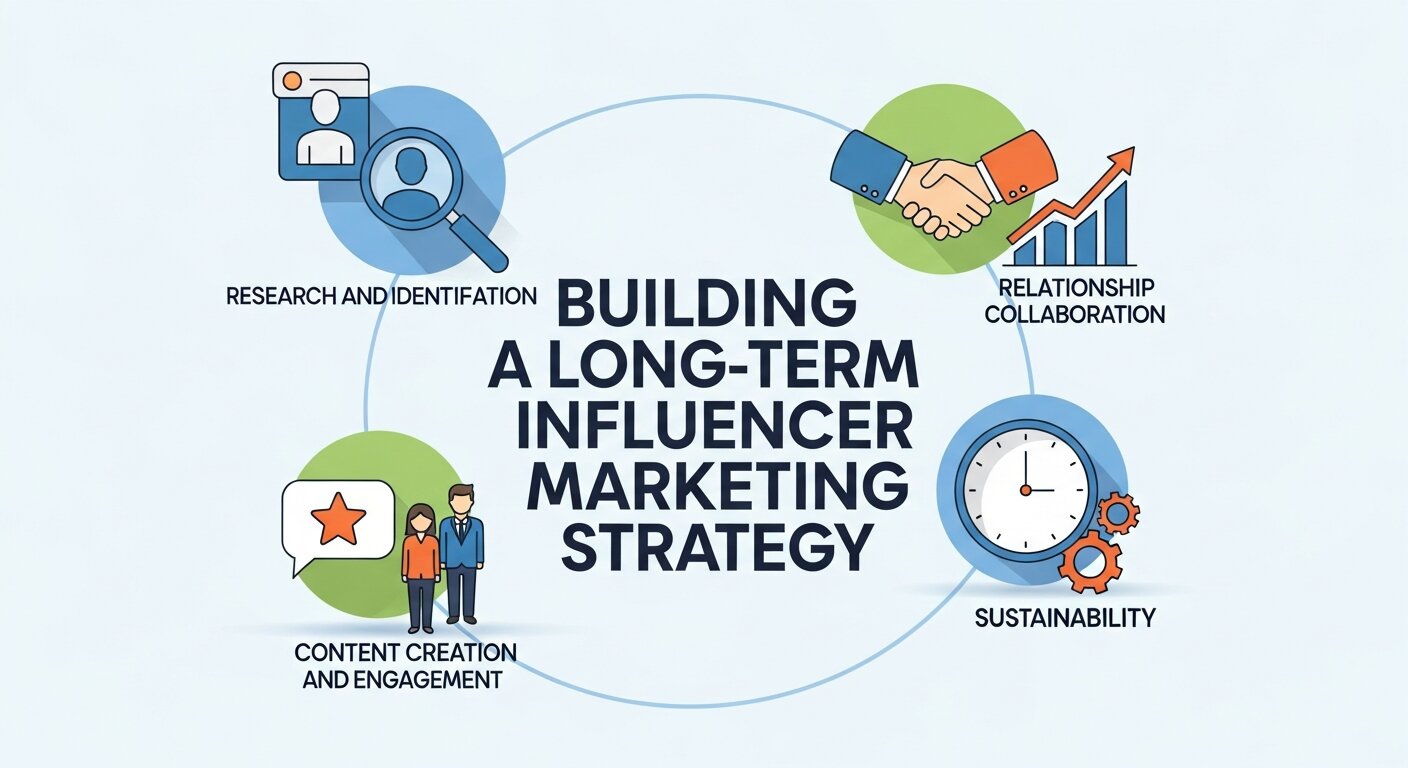 A single campaign can move the needle. A long-term strategy changes the trajectory of a brand. Brands that commit to consistent influencer marketing over 12 months or more benefit from compounding content, stronger creator relationships, and a growing body of performance data that makes every subsequent campaign smarter than the last.
That means investing in ongoing partnerships rather than one-off activations, testing different creator tiers and content formats, and using performance data to continuously refine targeting and messaging.
Influencer marketing isn’t a shortcut. It’s a channel—and like any channel, it rewards brands that approach it with patience, structure, and a genuine commitment to connecting with the right audiences.
How Influencer Marketing Builds Long-Term Brand Loyalty
Influencer marketing is more than a strategy for generating immediate sales—it also plays a significant role in building long-term brand loyalty. When influencers consistently feature a brand across multiple campaigns, their audience begins to associate the product or service with authenticity and trust. Repeated exposure through genuine recommendations creates familiarity, making customers more likely to remember and choose the brand in the future. Long-term partnerships also allow influencers to share real experiences, product updates, and customer success stories that strengthen credibility. Professional influencer marketing services help brands identify creators who align with their values and maintain lasting collaborations. This consistent brand presence encourages customer retention, increases lifetime value, and creates a loyal community that supports sustainable business growth.
The Importance of Data Analytics in Influencer Marketing
Successful influencer marketing campaigns rely on data as much as creativity. Analytics provide valuable insights into audience demographics, engagement patterns, website traffic, conversions, and overall campaign performance. By tracking key performance indicators such as engagement rate, click-through rate, conversion rate, customer acquisition cost, and return on investment, businesses can determine which creators and content formats deliver the best results. Advanced reporting also helps identify opportunities for campaign optimization, allowing brands to refine their messaging and target audience over time. Professional influencer marketing services use data-driven decision-making to maximize marketing budgets, reduce unnecessary spending, and continuously improve campaign outcomes. This analytical approach ensures every influencer partnership contributes to measurable business growth rather than simply increasing social media visibility.
Frequently Asked Questions About Influencer Marketing Services
What do influencer marketing services typically include?
Influencer marketing services generally cover creator discovery and vetting, campaign strategy, content briefing, contract management, performance tracking, and reporting. Full-service agencies like SanMo BD handle all of these components, while self-serve platforms provide tools for brands to manage some or all of these steps independently.
How much do influencer marketing services cost?
Costs vary widely depending on the scope of the campaign, the creator tier, and whether you work with an agency or platform. Nano and micro influencer campaigns can start at a few thousand dollars, while large-scale campaigns with macro or celebrity influencers can reach six or seven figures. Agency fees are typically charged as a percentage of campaign spend or a fixed monthly retainer.
How do I measure the ROI of an influencer marketing campaign?
ROI is measured by tracking conversions relative to campaign spend. Key tools include UTM parameters for link tracking, unique promo codes, affiliate tracking links, and pixel-based attribution. Connecting influencer activity to actual revenue—rather than just impressions—requires setting up proper tracking infrastructure before the campaign launches.
Are micro influencers more effective than macro influencers?
It depends on the objective. Micro influencers typically deliver higher engagement rates and stronger audience trust, making them well-suited for conversion-focused campaigns and niche markets. Macro influencers offer broader reach, which benefits brand awareness campaigns. Many high-performing strategies combine both tiers to capture different parts of the marketing funnel.
How long does it take to see results from influencer marketing?
Initial metrics like impressions and engagement are visible within days of content going live. Conversion data typically accumulates over two to four weeks. Long-term brand impact—such as improved sentiment or sustained traffic growth—is usually assessed over a full campaign cycle of three to six months or longer.
What platforms are best for influencer marketing in 2026?
TikTok, Instagram, and YouTube remain the dominant platforms for consumer brands, each serving different content formats and audience demographics. LinkedIn is increasingly effective for B2B influencer campaigns. The right platform depends on where your target audience spends time and what type of content resonates with them.
Your Next Step Toward Smarter Influencer Marketing
 The gap between brands that see strong ROI from influencer marketing and those that don’t usually comes down to execution. Choosing the right creators, briefing them effectively, tracking the right metrics, and iterating based on data—these aren’t complicated concepts, but they require dedicated expertise to execute consistently.
If your brand is ready to build an influencer marketing program that drives real business results, SanMo BD’s influencer marketing services are designed to get you there. Reach out to learn how a tailored campaign strategy can improve your brand visibility and maximize your return on investment.