Many businesses struggle to measure the exact financial return of their online presence. You spend hours crafting the perfect posts, designing eye-catching graphics, and writing clever captions. Yet, when the end of the month arrives, the connection between those posts and actual revenue remains entirely unclear.
This disconnect happens when campaigns rely on guesswork rather than hard numbers. Posting content because it feels right or looks good is a strategy rooted in hope. Hope, unfortunately, does not pay the bills. To see a tangible financial return, your approach must shift from intuition-based posting to data-driven social media management.
By analyzing user behavior, tracking engagement metrics, and understanding conversion pathways, companies can stop wasting money on content that ignores their target audience. Data provides a clear roadmap for what works and what fails. It highlights exactly where your budget should go and which platforms deserve your attention.
Partnering with an expert team like SanMo BD ensures you never have to navigate these numbers alone. With a focus on analytics and strategic growth, SanMo BD helps businesses transform raw data into actionable insights. The result is a highly optimized social media management strategy that consistently drives better ROI.
Why Intuition Fails in Modern Marketing
The algorithms governing platforms like Facebook, Instagram, and LinkedIn update constantly. A strategy that generated thousands of views six months ago might yield zero results today. Relying on gut feelings to navigate these algorithmic shifts is incredibly risky.
When you use data-driven social media management, you remove the guesswork. Analytics tools track exactly how users interact with your brand online. They show you the precise time your audience is most active, the formats they prefer to consume, and the specific calls to action that prompt them to click.
Ignoring this information means leaving money on the table. Brands that leverage data can pivot quickly when a campaign underperforms, reallocating their budget to high-performing assets before resources are wasted.
Core Elements of a Data-Driven Strategy
 Building an effective framework requires tracking specific categories of information. Gathering the right data allows you to construct a comprehensive view of your digital performance.
Audience Demographics and Behavior
Knowing your audience goes far beyond basic age and location brackets. A mature social media management strategy tracks behavioral trends. You need to understand what topics your followers care about, which influencers they trust, and how they navigate from a social post to your checkout page. This information dictates the tone, style, and substance of every piece of content you produce.
Content Performance Metrics
Every video, image, and text post generates data. Tracking likes and shares is a good starting point, but true data-driven strategies dig deeper. You must analyze the completion rate of your videos, the click-through rates of your links, and the specific drop-off points in your conversion funnels. This identifies the exact types of content that push users toward a purchasing decision.
Competitor Benchmarking
Your social media performance does not exist in a vacuum. Analyzing your competitors provides crucial context for your own metrics. By observing their engagement rates and content strategies, you can identify gaps in the market. If a competitor sees massive success with a specific content format, you can adapt that insight to fit your own unique brand voice.
How SanMo BD Transforms Your Strategy
Transitioning to a highly analytical approach can overwhelm internal marketing teams. There are simply too many dashboards, metrics, and moving parts to manage without specialized experience. This is where SanMo BD steps in to elevate your digital presence.
SanMo BD specializes in turning complex analytics into clear, revenue-generating strategies. Instead of handing you a spreadsheet full of confusing numbers, their team translates data into specific action items. They identify which platforms yield the lowest acquisition costs and scale your presence there.
Furthermore, SanMo BD continually tests new variables within your campaigns. They run split tests on headlines, visuals, and posting times. Over time, this iterative testing compounds, leading to massive improvements in your overall return on investment. You get the peace of mind that comes with knowing experts are optimizing your budget every single day.
Key Metrics to Track for Better ROI
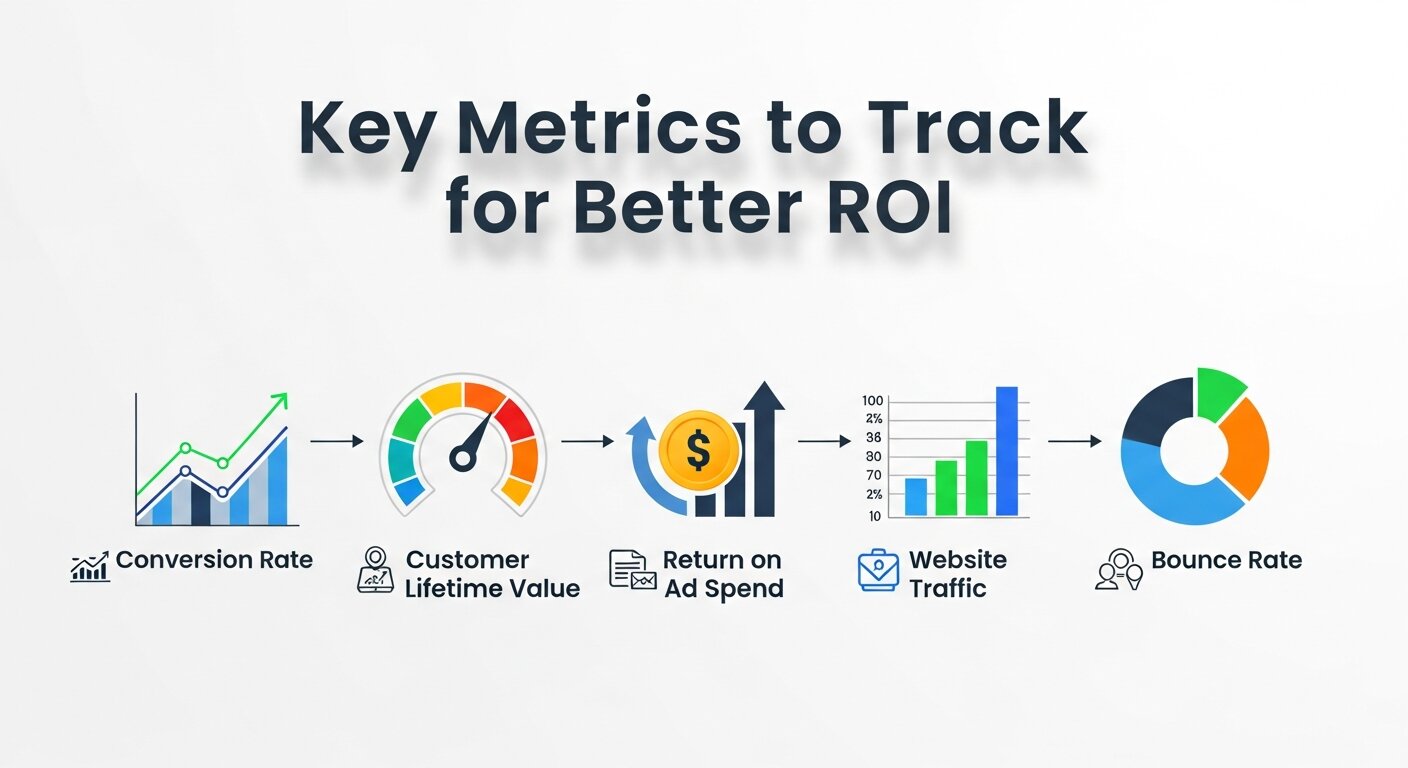 To truly measure the success of your social media management efforts, you must focus on metrics that impact your bottom line. Vanity metrics like follower counts often distract from what actually matters.
Conversion Rate
This is the percentage of users who take a desired action after clicking on your social media post. That action could be signing up for a newsletter, downloading a guide, or purchasing a product. A high conversion rate indicates that your content successfully persuades your audience to take the next step.
Customer Acquisition Cost
Understanding how much you spend to acquire a single customer through social media is vital. You calculate this by dividing your total social media marketing expenses by the number of new customers acquired during that period. Lowering this cost directly improves your overall ROI.
Click-Through Rate (CTR)
The CTR measures how often people click on a link in your post compared to how many people saw the post. A low CTR usually means your audience finds the content irrelevant or the call to action confusing. Tweaking your copy based on CTR data often yields immediate improvements in website traffic.
Steps to Implement an Analytical Approach
Moving your company toward a data-centric model requires a systematic rollout. Skipping steps often leads to disorganized data and confused teams.
First, establish clear, measurable goals. Decide exactly what you want your social media management efforts to achieve. If the goal is brand awareness, your primary metrics will be reach and share of voice. If the goal is lead generation, you will focus heavily on CTR and conversion rates.
Second, select the right analytics tools. The native insights provided by most social platforms are a great start, but serious growth requires third-party software. These tools aggregate data across multiple channels, giving you a unified view of your entire digital ecosystem.
Third, embrace a culture of testing. No campaign is perfect upon launch. A successful data-driven strategy relies on continuous optimization. Launch a campaign, gather the initial data, refine the messaging, and launch again.
The Role of Content Strategy in Data-Driven Success
A strong content strategy is the backbone of effective social media management. Without a clear plan, even the most visually appealing posts can fail to deliver results. Data helps identify which content types resonate most with your audience, whether it is short-form videos, educational posts, or promotional offers. By aligning your content strategy with real user behavior, you ensure every post serves a specific purpose. This structured approach eliminates random posting and replaces it with intentional storytelling. Over time, consistent and relevant content builds trust, increases engagement, and drives conversions. A data-backed content strategy ensures your efforts contribute directly to measurable business outcomes.
Understanding Platform-Specific Algorithms
Each social media platform operates with its own unique algorithm, determining how content is distributed and who sees it. Effective social media management requires adapting your strategy to these differences rather than using a one-size-fits-all approach. Data reveals how your audience interacts with content on each platform, allowing you to tailor your posts accordingly. For example, short videos may perform better on one platform, while long-form content thrives on another. Understanding these nuances ensures maximum visibility and engagement. By continuously analyzing algorithm changes and adjusting your strategy, you stay ahead of competitors and maintain consistent performance across all channels.
The Power of A/B Testing in Campaign Optimization
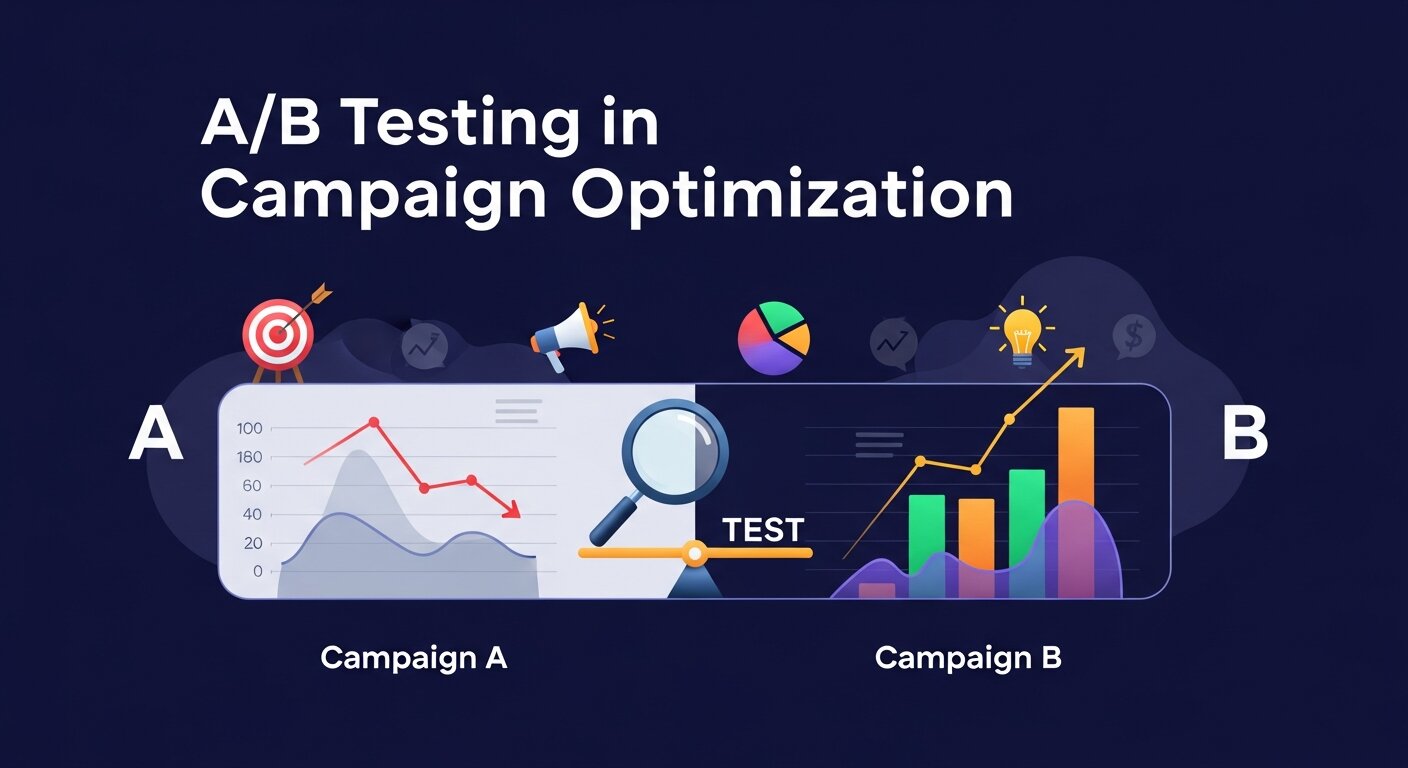 A/B testing is one of the most effective ways to refine your social media campaigns. Instead of guessing which headline, image, or call to action will perform better, you test multiple variations and let the data decide. This method provides clear insights into what resonates most with your audience. Over time, small improvements from repeated testing can lead to significant increases in engagement and conversions. Data-driven social media management relies heavily on this iterative process. By continuously experimenting and optimizing, you eliminate underperforming elements and double down on strategies that generate results, ensuring your campaigns evolve with audience preferences.
Building a Consistent Brand Voice
Consistency in communication is essential for building a recognizable and trustworthy brand. Social media management should ensure that your tone, messaging, and visual identity remain uniform across all platforms. Data helps refine this voice by showing which messaging styles generate the most engagement. Whether your brand is professional, conversational, or playful, maintaining consistency strengthens audience connection. Inconsistent messaging can confuse users and weaken brand identity. By analyzing audience responses and refining your communication style, you create a cohesive presence that resonates deeply. A strong brand voice not only attracts attention but also fosters long-term customer loyalty.
Leveraging Influencer Collaborations
Influencer marketing has become a powerful extension of social media strategies. Collaborating with influencers allows brands to reach highly targeted audiences in an authentic way. Data-driven social media management ensures that partnerships are selected based on performance metrics rather than popularity alone. Analyzing engagement rates, audience demographics, and past campaign success helps identify the right influencers for your brand. This strategic approach maximizes return on investment and minimizes risk. Influencers can amplify your message, build credibility, and drive traffic to your website. When executed correctly, these collaborations become a valuable component of your overall marketing ecosystem.
Crisis Management and Reputation Monitoring
Social media moves fast, and negative feedback can spread quickly if not managed properly. A data-driven approach allows businesses to monitor brand mentions, sentiment, and engagement in real time. This enables immediate responses to customer concerns or potential crises. Social media management should include proactive reputation monitoring to identify issues before they escalate. By addressing problems quickly and transparently, you protect your brand image and maintain customer trust. Data also helps identify recurring issues, allowing you to implement long-term solutions. Effective crisis management ensures your brand remains resilient and trustworthy in the face of challenges.
The Importance of Posting Consistency
Consistency is a key factor in maintaining audience engagement and algorithm visibility. Posting irregularly can cause your brand to lose momentum and disappear from users’ feeds. Data-driven social media management identifies the optimal posting frequency and timing for your audience. By maintaining a consistent schedule, you keep your brand top-of-mind and encourage regular interaction. However, consistency should never come at the expense of quality. Each post must provide value to your audience. A well-balanced approach ensures that your content remains relevant, engaging, and aligned with your overall strategy, ultimately contributing to sustained growth.
Scaling Campaigns for Long-Term Growth
Once you identify high-performing campaigns, the next step is scaling them effectively. Data provides clear indicators of which strategies generate the best results. Social media management should focus on increasing investment in these successful campaigns while maintaining efficiency. Scaling involves expanding reach, increasing budget, and refining targeting to maximize impact. However, it must be done carefully to avoid diminishing returns. Continuous monitoring ensures that performance remains stable as campaigns grow. By scaling strategically, businesses can amplify their success, reach new audiences, and achieve sustainable long-term growth without compromising profitability.
Frequently Asked Questions
What is social media management?
Social media management is the ongoing process of creating, publishing, and analyzing content across digital platforms like Facebook, Instagram, and LinkedIn. It also involves engaging with users and building a digital community around a specific brand.
How long does it take to see ROI from data-driven social media management?
Timelines vary based on your industry, budget, and historical data. However, most businesses working with experienced agencies like SanMo BD begin to see actionable trends within the first 30 days. Significant improvements in ROI typically materialize between months three and six as the testing phases conclude and optimization begins.
Why should I partner with SanMo BD?
SanMo BD removes the burden of digital marketing from your internal team. They provide expert analysis, creative execution, and ongoing optimization. Their primary focus is ensuring that every dollar you spend on social media contributes directly to your company’s growth.
Maximize Your Returns with SanMo BD
Achieving a high return on investment requires discipline, specialized knowledge, and a commitment to continuous improvement. Guessing what your audience wants will consistently drain your marketing budget. By embracing data, you empower your brand to make strategic, revenue-focused decisions.
Stop letting valuable data slip through the cracks. Take control of your digital presence by aligning your content with proven consumer behavior. Reach out to the team at SanMo BD today to schedule a comprehensive audit of your current social media management strategy. They will help you identify exactly where your budget is underperforming and build a data-driven roadmap for sustained financial growth.