Staying competitive used to mean having the best product or the sharpest sales team. Today, it means having the right technology—built the right way, at the right time. Businesses that outpace their rivals rarely do it by accident. They invest in software that automates what’s slow, connects what’s siloed, and delivers experiences that customers actually enjoy. The companies still relying on outdated systems, manual workflows, and off-the-shelf tools that don’t quite fit? They’re losing ground, often without realizing it.
That’s where professional software development services come in. Whether you’re a startup trying to scale quickly or an established enterprise looking to modernize, custom software can be the difference between keeping up and falling behind. This post breaks down the key software development services that drive business competitiveness—and what to look for when choosing a development partner.
Why Generic Software Isn’t Enough Anymore
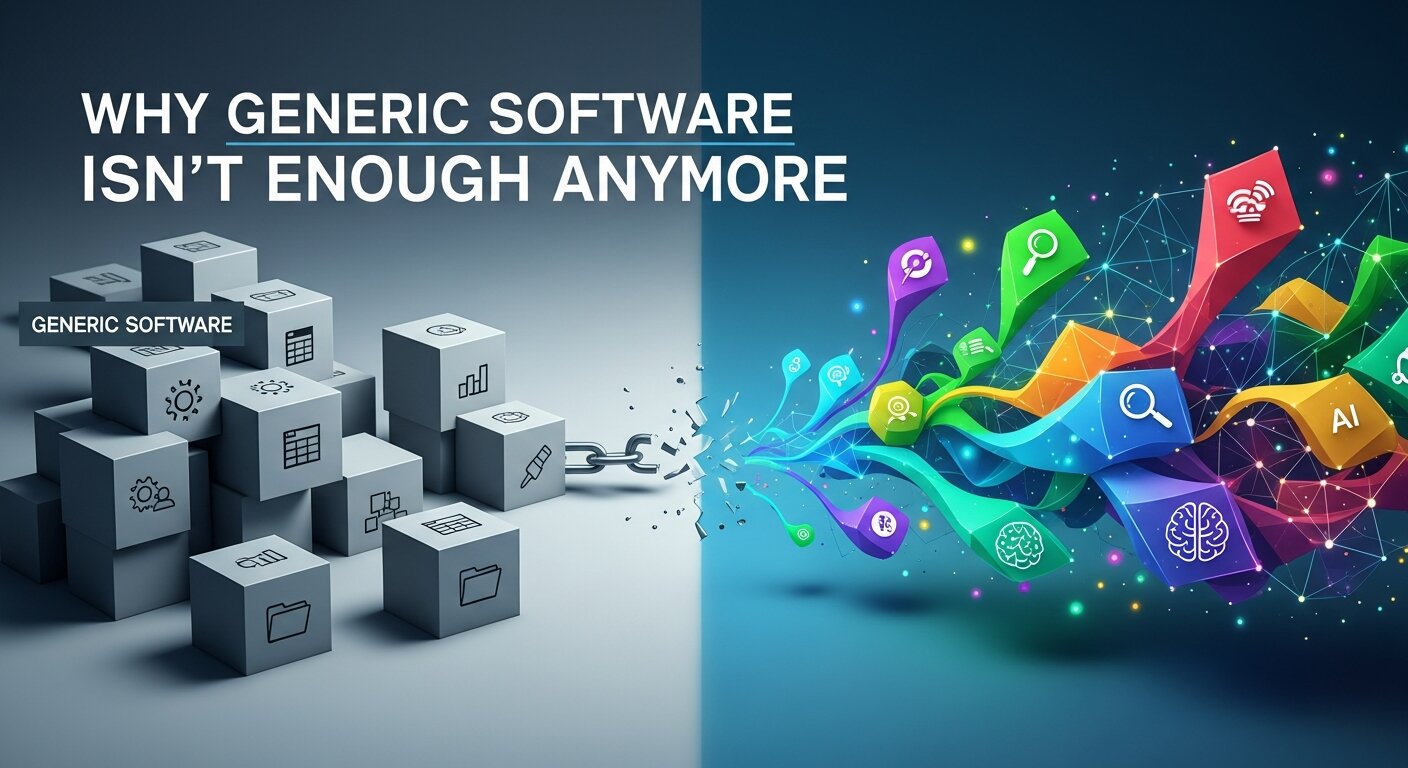 Most businesses start with ready-made software. It’s affordable, fast to deploy, and easy to justify. But as your business grows, those off-the-shelf tools start showing their limits. You end up paying for features you don’t use, missing the ones you need, and stitching together five different platforms just to get basic tasks done.
Custom software development solves this by building tools around your processes—not the other way around. The result is technology that fits your business like a glove, rather than a solution you’ve had to contort yourself to accommodate.
SanMo BD specializes in exactly this: delivering software development services that are purpose-built for the specific needs, goals, and growth trajectories of each client. The focus isn’t just on writing code—it’s on solving real business problems with scalable, maintainable technology.
Core Software Development Services That Drive Competitive Advantage
Custom Web Application Development
A well-built web application can transform how your business operates and how your customers experience your brand. From customer portals and internal dashboards to full-scale SaaS platforms, custom web apps give you complete control over functionality, design, and performance.
Unlike website builders or template-based tools, a custom web application is built to handle your specific workflows—whether that’s complex user permissions, real-time data processing, or multi-tenant architecture. Businesses that invest in purpose-built web applications typically see faster operations, fewer manual errors, and a significantly better user experience.
Mobile App Development
 Mobile usage continues to grow globally, and customers increasingly expect seamless experiences on their phones. For many industries—retail, healthcare, logistics, and financial services among them—a mobile app isn’t a nice-to-have. It’s a core part of how business gets done.
Professional mobile app development services cover both iOS and Android platforms, with a growing focus on cross-platform frameworks like Flutter and React Native that let you reach both audiences from a single codebase. The efficiency gains here are meaningful: faster development timelines, lower costs, and a consistent experience for all users regardless of device.
Enterprise Software Development
Enterprise organizations have complex needs. Multiple departments, large teams, regulatory compliance requirements, and legacy systems that have been in place for decades—these aren’t challenges that generic software handles well.
Enterprise software development focuses on building scalable, secure, and deeply integrated systems that work across the entire organization. This includes ERP systems, CRM platforms, supply chain tools, HR management systems, and more. When built correctly, enterprise software reduces redundancy, improves data visibility, and enables smarter decision-making at every level of the business.
API Development and Integration
Modern businesses rely on dozens of tools and platforms. The problem? They rarely talk to each other out of the box. Every time your team has to manually move data from one system to another, you’re losing time, introducing errors, and creating unnecessary friction.
API development and integration services solve this by creating the connections that allow your systems to communicate automatically. Whether you’re integrating a payment gateway, syncing your CRM with your marketing platform, or connecting your internal tools with third-party services, well-designed APIs form the backbone of an efficient, interconnected business.
UI/UX Design
Technology only delivers value if people actually use it—and use it well. Poor user experience is one of the most common reasons software projects fail to deliver ROI. If your team struggles to navigate an internal tool, or your customers abandon a checkout flow halfway through, the problem usually isn’t the underlying code. It’s the design.
UI/UX design services focus on creating interfaces that are intuitive, accessible, and aligned with how real users think and behave. This involves user research, wireframing, prototyping, and iterative testing before a single line of production code is written. The payoff is software that people actually want to use—which drives adoption, reduces training time, and improves outcomes across the board.
Software Consulting and Strategy
Sometimes businesses don’t need a development team right away. They need expert guidance to figure out what to build, how to build it, and in what order. Software consulting services help organizations assess their current technology landscape, identify gaps and opportunities, and create a clear roadmap for moving forward.
This is especially valuable for companies undergoing digital transformation, evaluating a technology pivot, or trying to modernize legacy systems without disrupting ongoing operations. Getting the strategy right before the build begins saves significant time and money down the line.
Quality Assurance and Testing
Releasing buggy software is costly—in reputation, in revenue, and in user trust. QA and testing services ensure that every piece of software functions correctly across different environments, devices, and edge cases before it reaches end users.
This includes manual testing, automated testing, performance testing, and security audits. Companies that treat QA as an integral part of the development process—rather than an afterthought—ship better products, faster, with far fewer post-launch issues.
What to Look for in a Software Development Partner
 Choosing the right development partner is just as important as choosing the right type of software to build. Here are the factors that matter most:
Technical depth: Look for a team with experience across the technologies relevant to your project. A partner who only knows one framework will often recommend it regardless of whether it’s the best fit for your needs.
Communication and transparency: Development projects go sideways when communication breaks down. Look for a partner that provides regular progress updates, uses collaborative project management tools, and treats you as a participant in the process—not just a client waiting for delivery.
Domain experience: A development team that has worked in your industry understands the constraints, compliance requirements, and user expectations that come with it. This translates directly into better decisions and fewer costly mistakes.
Scalability: Your business will grow. Your software needs to grow with it. Make sure your development partner designs for scalability from day one, not as a retrofit when you’ve already outgrown your system.
Post-launch support: Software development doesn’t end at launch. Bugs emerge, requirements change, and new features need to be added. A partner who offers ongoing support and maintenance ensures your software stays healthy and continues to deliver value long after go-live.
SanMo BD brings all of these qualities to every engagement. With a strong track record of delivering custom software development services across industries, the team is equipped to take projects from early concept through to long-term maintenance and growth.
How Software Development Services Directly Impact Business Performance
The business case for investing in professional software development is straightforward when you look at the outcomes.
Efficiency gains: Automating manual processes and streamlining workflows reduces the time your team spends on low-value tasks—freeing them to focus on work that actually moves the business forward.
Better data, better decisions: Custom software can be designed to capture exactly the data you need, in exactly the format you need it, and surface it through dashboards and reports that support faster, smarter decision-making.
Improved customer experience: Whether it’s a faster website, a more intuitive mobile app, or a more responsive customer portal, better software translates directly into better customer experiences—which drives retention, referrals, and revenue.
Competitive differentiation: When your competitors are using the same off-the-shelf tools, custom software becomes a genuine differentiator. The businesses that build proprietary systems tailored to their workflows gain operational advantages that are difficult to replicate.
Emerging Technologies Shaping Modern Software Development
Software development continues to evolve as new technologies redefine what businesses can achieve. Artificial intelligence, machine learning, cloud-native architecture, blockchain, and the Internet of Things (IoT) are no longer niche innovations—they’re becoming standard components of modern software solutions. Companies that embrace these technologies gain a competitive edge by automating complex tasks, improving data analysis, and delivering more personalized customer experiences.
A reliable software development partner helps businesses identify which emerging technologies align with their goals. Rather than adopting trends for the sake of innovation, experienced developers integrate solutions that provide measurable value, scalability, and long-term sustainability.
The Software Development Lifecycle (SDLC): From Idea to Deployment
Successful software projects follow a structured development process that minimizes risks and ensures quality. The Software Development Lifecycle (SDLC) typically begins with requirement gathering and planning, followed by system design, development, testing, deployment, and ongoing maintenance.
Each stage plays a critical role in delivering software that meets business objectives while staying within budget and timeline. Continuous testing, stakeholder feedback, and agile development practices help teams adapt to changing requirements throughout the project. Businesses that follow a well-defined SDLC often experience fewer delays, higher software quality, and better project outcomes.
Why Ongoing Software Maintenance Is Essential
 Launching software is only the beginning of its lifecycle. As technology evolves and business requirements change, software must be updated to remain secure, efficient, and compatible with new platforms. Regular maintenance includes fixing bugs, improving performance, applying security patches, updating third-party integrations, and introducing new features based on user feedback.
Businesses that invest in ongoing maintenance reduce the risk of security vulnerabilities, system failures, and performance issues. Continuous support also extends the lifespan of software, protects the original investment, and ensures the application continues to meet customer expectations as the organization grows.
Frequently Asked Questions
What are software development services?
Software development services refer to professional services that design, build, test, and maintain software applications. These can include custom web and mobile app development, enterprise software, API integrations, UI/UX design, QA testing, and technology consulting.
How do I know if my business needs custom software?
If you’re spending significant time on manual workarounds, using multiple tools that don’t integrate well, or finding that off-the-shelf software can’t handle your specific workflows, custom software development is likely worth exploring.
How long does a software development project typically take?
Timelines vary widely depending on the complexity and scope of the project. A simple web application might take two to three months, while a large enterprise platform could take a year or more. A good development partner will provide realistic timelines during the discovery phase.
How much does custom software development cost?
Costs depend on the type of software, the technology stack, the size of the development team, and the project timeline. Most reputable development firms provide detailed estimates after an initial scoping or discovery session.
What industries does SanMo BD serve?
SanMo BD provides software development services across a range of industries, including but not limited to retail, logistics, healthcare, finance, and professional services. Their team adapts their approach based on the specific requirements and regulatory context of each sector.
What happens after the software is launched?
The best development partners offer post-launch support, including bug fixes, performance monitoring, security updates, and ongoing feature development. SanMo BD provides continued support to ensure software remains stable and evolves with the business.
Is it better to outsource software development or build an in-house team?
Outsourcing is often the right choice for businesses that need to move quickly, lack in-house technical expertise, or have project-based needs rather than ongoing development requirements. Building in-house makes more sense for companies with long-term, complex development roadmaps and the budget to support a full engineering team.
Build Software That Works for Your Business, Not Against It
The gap between businesses that thrive and those that stagnate often comes down to technology—specifically, whether they’ve invested in software that truly supports how they operate and grow.
Custom software development services offer a path to meaningful, lasting competitive advantage. The key is choosing the right partner, defining the right scope, and committing to an approach that prioritizes long-term value over short-term convenience.
SanMo BD works with businesses at every stage to design, build, and maintain software that delivers real results. If you’re ready to take your technology to the next level, reaching out to the SanMo BD team is a smart first step.