Your website is often the first handshake between your business and a potential customer. It shapes first impressions, builds trust, and—when done right—turns curious visitors into paying clients. But a pretty homepage isn’t enough. The most effective websites blend smart design with solid development to deliver real business outcomes.
This guide breaks down what it takes to build a website that works as hard as you do. You’ll learn the difference between web design and development, the elements that make a site convert, and the practical steps for creating a digital presence that grows your business. Whether you’re planning your first site or rethinking an outdated one, the insights here will help you make confident decisions.
At SanMo BD, we believe a website should be a tool for growth, not just a digital brochure. Let’s look at how to make that happen.
What’s the Difference Between Web Design and Development?
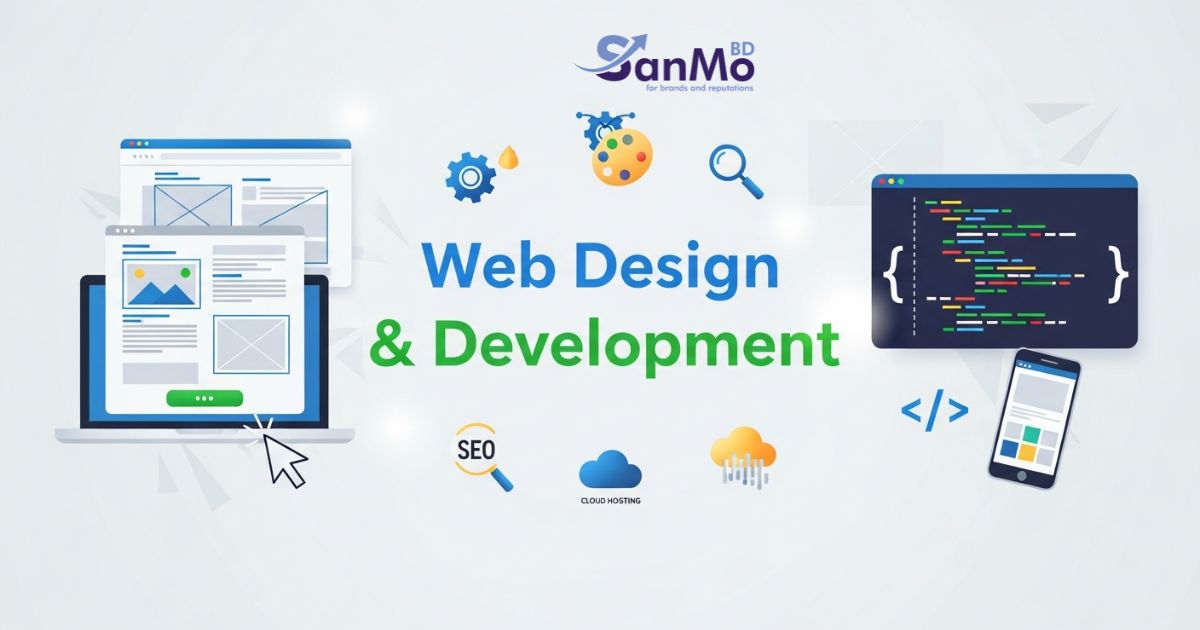
People often use “web design” and “web development” interchangeably, but they cover two distinct parts of building a website.
Web design focuses on how a site looks and feels. It covers layout, color schemes, typography, imagery, and the overall user experience. A good designer thinks about how visitors move through a page, where their eyes land first, and how to guide them toward an action.
Web development is what brings that design to life. Developers write the code that makes a site function—from clickable buttons and contact forms to complex features like booking systems or online stores. Development is usually split into two parts: front-end (what users see and interact with) and back-end (the servers, databases, and logic running behind the scenes).
You need both working together. A stunning design that loads slowly or breaks on mobile will frustrate users. Clean code with a confusing layout won’t keep anyone’s attention. The magic happens when design and development are planned as one project from the start.
Why Your Website Needs to Drive Results
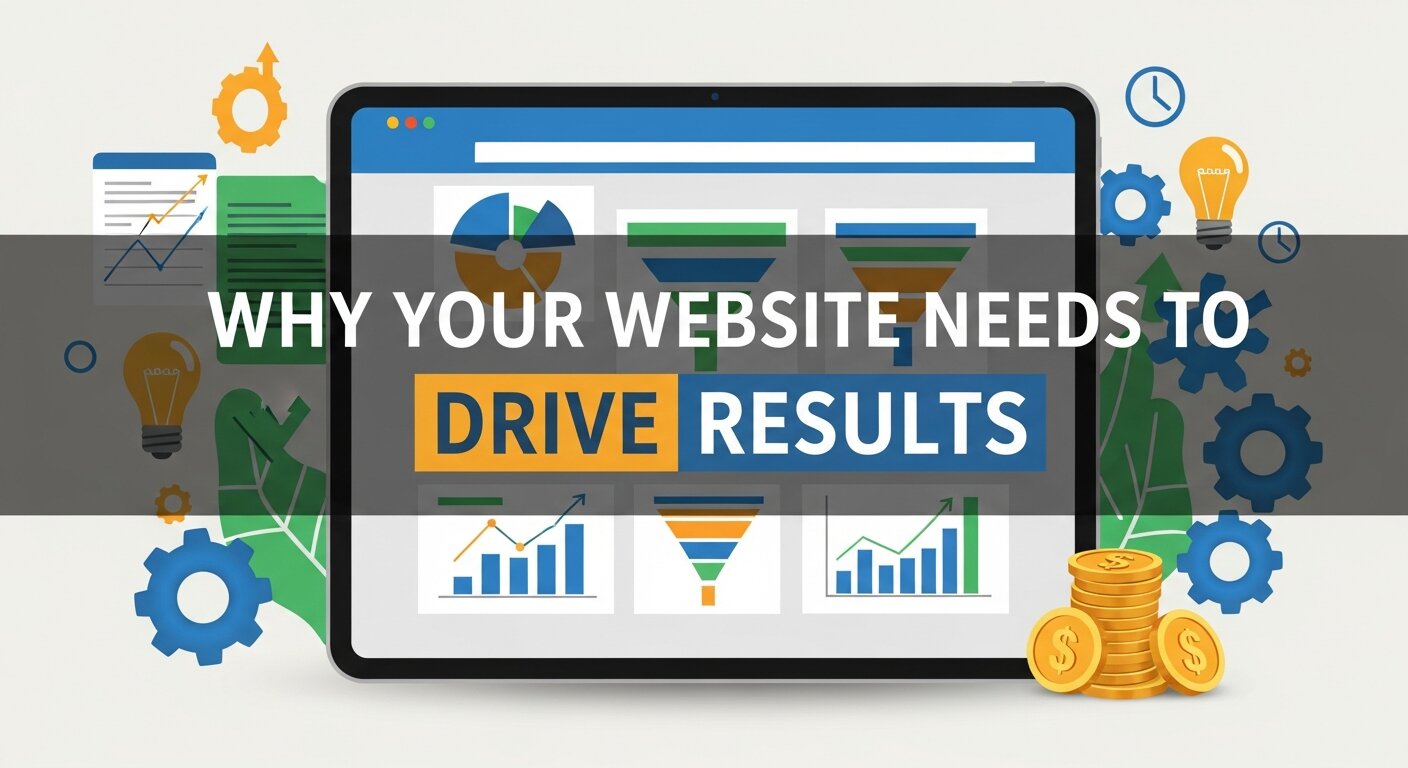 A website that simply exists isn’t doing its job. The goal is to support clear business objectives, whether that’s generating leads, selling products, booking appointments, or building brand awareness.
Here’s why a results-focused approach matters:
- First impressions form fast: Visitors decide whether they trust a site within seconds. A clean, professional design signals credibility right away.
- Competition is one click away: If your site is hard to use, people will leave and find a competitor who makes things easier.
- Every visitor is a chance to convert: A well-built site turns traffic into measurable action—form submissions, calls, purchases, or sign-ups.
When you treat your website as a growth engine rather than an afterthought, every design and development choice serves a purpose.
The Core Elements of a High-Performing Website
Not all websites are created equal. The ones that deliver results share a few key ingredients.
Responsive, Mobile-First Design
More than half of all web traffic now comes from mobile devices. A mobile-first approach means designing for smaller screens first, then scaling up to tablets and desktops. This ensures your site looks great and functions smoothly no matter how someone visits it.
A responsive layout adjusts automatically to any screen size. Buttons stay tappable, text stays readable, and images resize without breaking the design.
Fast Loading Speeds
Speed is non-negotiable. Studies consistently show that visitors abandon pages that take too long to load. Even a one-second delay can hurt conversions.
To keep your site quick, focus on optimized images, clean code, reliable hosting, and minimal unnecessary scripts. A fast site also helps with search rankings, since search engines favor pages that load quickly.
Clear Navigation and Structure
If people can’t find what they’re looking for, they’ll leave. Intuitive navigation guides visitors to the right pages with minimal effort. Keep menus simple, use descriptive labels, and make sure important pages are never more than a couple of clicks away.
Compelling Calls to Action
Every page should point visitors toward a next step. A strong call to action (CTA)—like “Book a Free Consultation” or “Get Your Quote”—tells people exactly what to do and why. Place CTAs where they’re easy to spot, and use action-driven language that creates a sense of purpose.
Search Engine Optimization
A beautiful site is useless if no one finds it. Building SEO into your web design and development from the start helps your pages rank in search results. This includes clean code, fast load times, mobile-friendliness, descriptive page titles, and well-structured content.
Strong Security
Visitors need to trust your site with their information. An SSL certificate (the padlock in the browser bar), regular updates, and secure hosting protect both your business and your users. Security also factors into search rankings, so it pays off in more ways than one.
How to Approach a Web Design and Development Project
Building a website that drives results takes more than picking a template. Here’s a practical roadmap.
Step 1: Define Your Goals
Before any design work begins, get clear on what you want the site to achieve. Are you trying to generate leads? Sell products? Showcase a portfolio? Your goals shape every decision that follows.
Step 2: Understand Your Audience
Know who you’re building for. Research your ideal customers—their needs, habits, and what they expect from a website. A site designed around your audience will always outperform one built around guesswork.
Step 3: Plan the Structure
Map out your pages and how they connect. This blueprint, often called a sitemap, keeps the project organized and ensures a logical flow. Pair it with wireframes—simple layouts that show where content will go before any visual design begins.
Step 4: Design with Purpose
Now comes the visual layer. Apply your brand colors, fonts, and imagery in a way that supports your goals and appeals to your audience. Keep the design clean and focused, removing anything that distracts from your main message.
Step 5: Develop and Test
Developers turn the approved design into a working site. Throughout this stage, test everything—across browsers, devices, and screen sizes. Check that forms submit, links work, and pages load fast.
Step 6: Launch and Optimize
Going live isn’t the finish line. Track how people use your site, gather feedback, and make ongoing improvements. The best websites evolve based on real data and changing business needs.
Common Web Design Mistakes to Avoid
Even well-meaning projects can stumble. Watch out for these frequent pitfalls:
- Cluttered layouts that overwhelm visitors with too much information.
- Slow load times caused by oversized images or bloated code.
- Weak or missing CTAs that leave visitors unsure what to do next.
- Poor mobile experience that frustrates the majority of your traffic.
- Confusing navigation that hides important pages.
- Ignoring analytics and missing chances to improve.
Avoiding these mistakes keeps your site focused, fast, and friendly to users.
How User Experience (UX) Influences Website Success
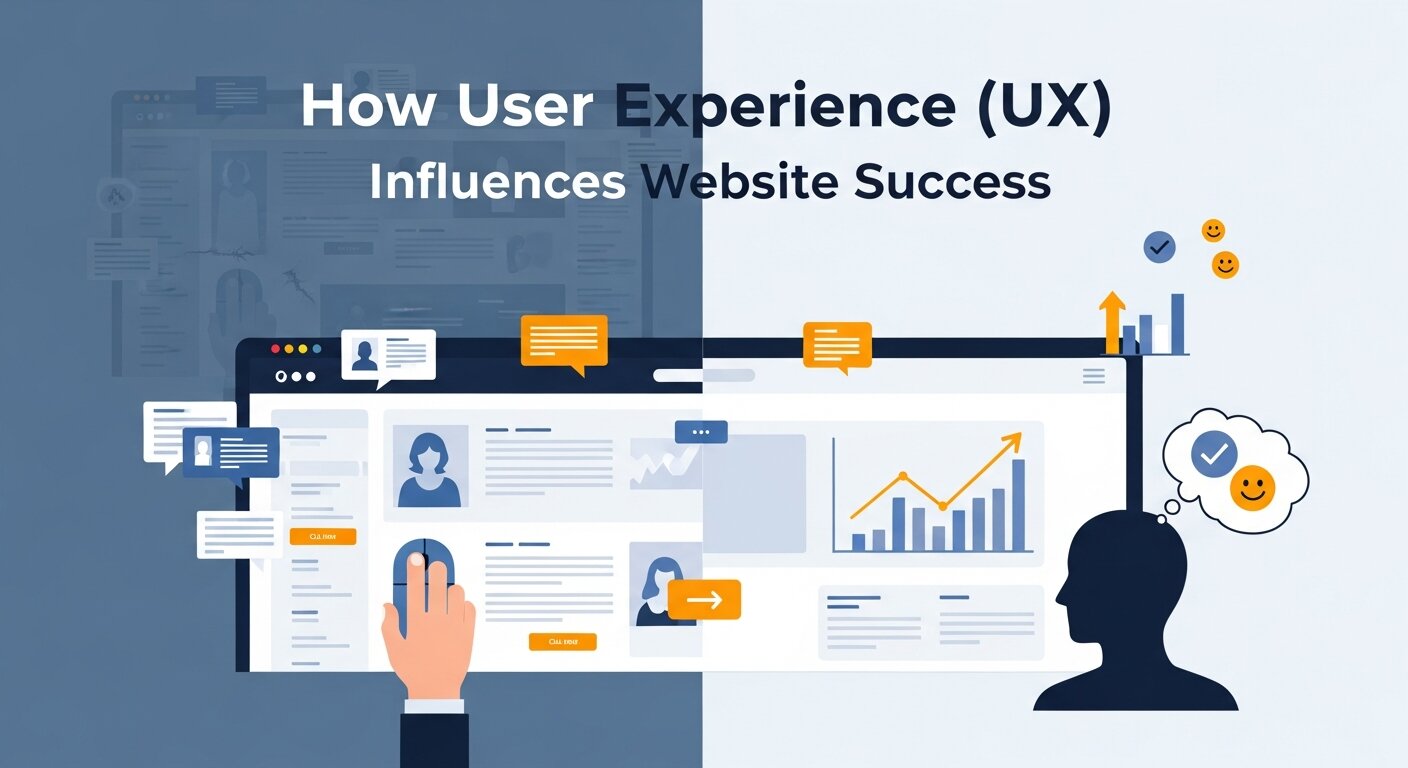 A visually appealing website may attract visitors, but user experience determines whether they stay and engage with your content. UX focuses on making a website intuitive, efficient, and enjoyable to use. Elements such as easy navigation, readable typography, consistent layouts, and clear calls to action all contribute to a positive user experience. When visitors can quickly find the information they need, they are more likely to trust your brand and take meaningful actions, such as making a purchase or submitting an inquiry. Poor UX, on the other hand, leads to frustration and higher bounce rates. Professional web design and development prioritize user experience from the beginning, ensuring that every page is optimized for usability. A website that puts users first creates stronger customer relationships and delivers better long-term business results.
The Importance of Content in Web Design
Design and development provide the structure of a website, but content is what communicates your message and engages visitors. High-quality content helps explain your products or services, answers common questions, and encourages users to take action. Effective web design presents content in a way that is easy to read and visually appealing, using headings, images, and whitespace strategically. Content should also align with your brand voice and target audience to create a consistent experience across the website. In addition, search engines favor websites that regularly publish valuable and relevant content. Combining strong content with professional web design and development creates a website that not only looks impressive but also educates, persuades, and converts visitors into loyal customers.
Why Website Accessibility Matters
Accessibility ensures that people of all abilities can use and navigate your website effectively. This includes individuals with visual, hearing, cognitive, or motor impairments. Features such as readable fonts, alternative text for images, keyboard navigation, and sufficient color contrast make websites more inclusive and user-friendly. Beyond improving the experience for users with disabilities, accessibility also benefits the broader audience by creating cleaner and more intuitive designs. Many countries are introducing regulations that require businesses to meet accessibility standards, making compliance increasingly important. Professional web design and development services incorporate accessibility best practices from the start, helping businesses reach a wider audience and demonstrate a commitment to inclusivity. An accessible website reflects positively on your brand and strengthens customer trust.
The Benefits of Integrating Analytics Tools
Understanding how visitors interact with your website is essential for continuous improvement. Analytics tools provide valuable insights into user behavior, including page views, traffic sources, bounce rates, and conversion rates. This data helps businesses identify which pages perform well and where visitors encounter obstacles. By analyzing these metrics, you can make informed decisions about design updates, content improvements, and marketing strategies. Professional web design and development often include analytics integration to ensure accurate tracking from day one. Rather than relying on assumptions, businesses can use real data to optimize their websites and maximize results. Ongoing analysis allows you to adapt to changing customer preferences and maintain a website that consistently supports your business goals.
How Custom Web Development Gives You a Competitive Edge
Template-based websites are quick to launch, but they often come with limitations that can restrict growth and creativity. Custom web development offers a tailored solution designed specifically for your business goals, branding, and operational requirements. Whether you need advanced booking systems, custom dashboards, membership features, or unique e-commerce functionality, custom development provides the flexibility to build exactly what your business needs. It also allows for better performance optimization and scalability as your company grows. A custom-built website stands out from competitors by delivering a distinctive user experience and features that cannot be replicated easily. Investing in professional web design and development ensures your website remains adaptable, efficient, and aligned with your long-term vision.
The Value of Ongoing Website Maintenance
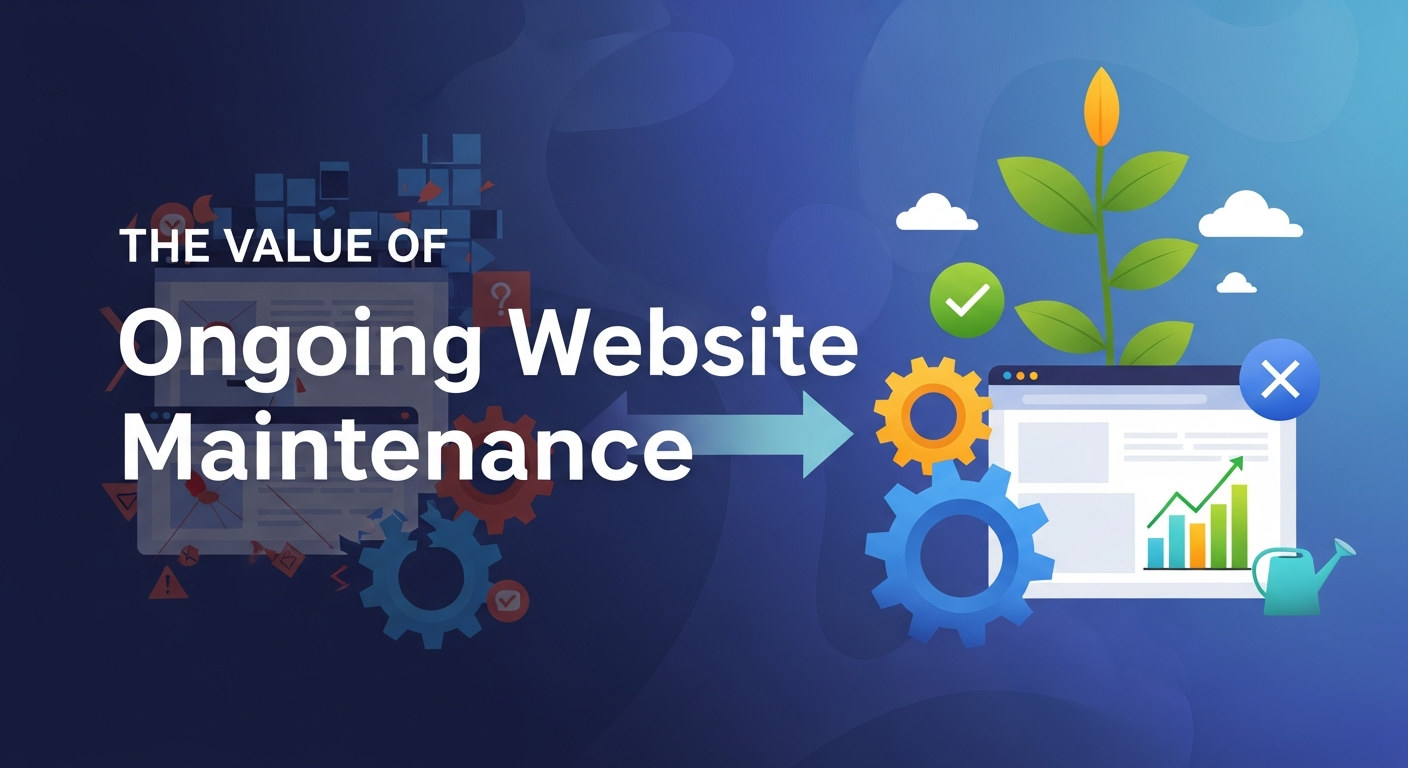 Launching a website is only the beginning of its lifecycle. Regular maintenance is necessary to keep it secure, fast, and functioning properly. This includes updating software, fixing bugs, monitoring performance, backing up data, and improving content over time. Without ongoing maintenance, websites become vulnerable to security threats and may experience slower performance or compatibility issues. Routine maintenance also provides opportunities to refresh design elements, add new features, and optimize pages based on user behavior and market trends. Businesses that invest in continuous website care can maintain a professional online presence while avoiding costly technical problems. Professional web design and development services often include maintenance plans that ensure your website continues to perform effectively and support your business goals for years to come.
Frequently Asked Questions
How long does it take to design and develop a website?
Timelines vary based on complexity. A simple informational site might take a few weeks, while a larger site with custom features or e-commerce can take several months. Clear goals and quick feedback help keep projects on schedule.
How much does web design and development cost?
Costs depend on the size and scope of the project. Factors include the number of pages, custom features, e-commerce functionality, and ongoing maintenance. It’s best to get a tailored quote based on your specific goals and requirements.
Do I need to know how to code to have a website?
No. Working with a professional web design and development team means you don’t need any technical skills. They handle the coding, design, and technical setup, while you focus on running your business.
What is the difference between a website and a web application?
A website mainly presents information and content to visitors. A web application is more interactive, allowing users to perform tasks like banking, shopping, or managing accounts. Many modern sites blend both, offering content alongside interactive features.
How do I keep my website performing well after launch?
Regular maintenance is key. This includes updating content, monitoring site speed, applying security updates, and reviewing analytics. Ongoing optimization based on real user data keeps your site fast, secure, and effective over time.
Build a Website That Works for Your Business
A great website is one of the most valuable assets your business can own. It works around the clock to attract visitors, build trust, and turn interest into action. By combining thoughtful design with solid development, you create a digital presence that delivers real, measurable results.
Start by defining clear goals, understanding your audience, and prioritizing the elements that matter most—speed, mobile-friendliness, clear navigation, and strong calls to action. From there, treat your site as a living tool you refine over time.
Ready to build a website that drives real results? The team at SanMo BD can help you design and develop a site tailored to your goals. Reach out today to start the conversation.