Every brand, no matter how well-established, faces the risk of a crisis. A data breach, a viral PR scandal, a leadership controversy—any of these can surface without warning and threaten everything you’ve built. How your organization responds in those critical hours and days can mean the difference between a swift recovery and lasting reputational damage.
That’s exactly where professional crisis management services come in. Rather than scrambling for answers under pressure, businesses that invest in expert crisis support are better positioned to respond quickly, communicate clearly, and protect their standing with customers, stakeholders, and the public.
This post breaks down what crisis management services actually involve, why reputation management is a core part of any business resilience strategy, and how SanMo BD can help your brand not just survive a crisis—but emerge stronger from one.
What Are Crisis Management Services?
Crisis management services encompass the strategies, processes, and expert support used to prepare for, respond to, and recover from events that threaten a brand’s reputation, operations, or public trust.
These services typically span three key phases:
- Pre-crisis preparation: Risk assessments, crisis communication planning, and staff training.
- Active crisis response: Real-time media monitoring, messaging strategy, spokesperson support, and stakeholder communications.
- Post-crisis recovery: Reputation repair, narrative rebuilding, and performance evaluation.
A professional crisis management partner doesn’t just help you put out fires—they help you understand where the smoke is coming from and how to prevent it from happening again.
Why Reputation Management Can’t Wait for a Crisis
Many organizations treat reputation management as something reactive. They wait until something goes wrong, then work backwards to fix it. This approach is costly, both in terms of money and brand equity.
The more effective strategy is to treat reputation management as an ongoing discipline—one that runs quietly in the background, monitoring public perception, identifying risks, and ensuring your brand narrative stays consistent and credible.
The cost of a damaged reputation
According to research from the World Economic Forum, more than 25% of a company’s market value is directly tied to its reputation. A single mishandled crisis can erode years of brand equity within days.
Beyond financial impact, a damaged reputation affects employee morale, customer loyalty, and your ability to attract future partnerships and talent. These downstream effects are harder to quantify but equally real.
Proactive reputation management pays off
Organizations that actively manage their reputation tend to have shorter recovery times following a crisis, stronger media relationships, and more loyal customer bases. This isn’t coincidental—it reflects the value of having clear processes, trained teams, and trusted advisors in place before things go sideways.
Common Types of Business Crises
Understanding what you’re preparing for is the first step toward building effective resilience. Business crises come in many forms, including:
- Cybersecurity incidents: Data breaches and ransomware attacks that expose customer or company data
- Product or service failures: Recalls, safety issues, or large-scale service outages
- Leadership controversies: Misconduct allegations, executive departures, or internal conflict made public
- Social media backlash: Viral posts, customer complaints, or campaigns that spiral out of control
- Natural disasters or operational disruptions: Events that impact business continuity and customer service
- Legal or regulatory issues: Investigations, lawsuits, or compliance failures that attract public attention
No industry is immune. Healthcare, retail, finance, technology, and government sectors all face unique and evolving crisis risks. What separates resilient brands from vulnerable ones is preparation—and the right support system.
How SanMo BD Approaches Crisis Management
SanMo BD provides tailored crisis management services designed to protect and restore brand reputation at every stage of a crisis. Their approach is built around clear communication, strategic thinking, and a deep understanding of how public perception works.
Strategic crisis planning
Before a crisis ever occurs, SanMo BD works with organizations to map out potential risk scenarios and develop actionable response plans. This includes identifying key stakeholders, establishing communication chains, crafting pre-approved messaging frameworks, and conducting simulation exercises to stress-test your team’s readiness.
The goal is simple: when a real crisis hits, your organization shouldn’t be starting from scratch.
Real-time crisis response
Speed matters. In a crisis, every hour of silence is interpreted as confirmation of the worst. SanMo BD’s crisis response team moves fast—monitoring coverage, crafting coordinated messaging, and ensuring that your communications remain consistent across every channel and audience.
This includes:
- Media relations and press statement drafting
- Social media monitoring and response strategy
- Stakeholder and internal communications
- Spokesperson coaching and media training
Reputation management and recovery
Once the immediate crisis is contained, the work of rebuilding begins. SanMo BD’s reputation management services focus on restoring trust through transparent communication, positive narrative development, and ongoing media engagement.
This phase often involves content strategy—publishing thought leadership, earned media placements, and customer-facing communications that reinforce your brand’s values and demonstrate accountability.
Key Principles of Effective Crisis Communication
Regardless of the nature of a crisis, how you communicate is always as important as what you communicate. These principles guide best-in-class crisis response:
1. Respond quickly, not carelessly
The pressure to respond fast can lead organizations to issue premature statements that create more problems than they solve. Effective crisis communication requires speed balanced with accuracy. Acknowledge the situation early, even if you don’t have all the answers yet—silence is rarely the safer option.
2. Lead with empathy
Audiences respond to how a brand makes them feel, especially during difficult moments. Statements that prioritize transparency and acknowledge the impact of a situation on customers or stakeholders tend to land better than those focused purely on protecting the company.
3. Maintain message consistency
Mixed messaging across departments, channels, or spokespeople is a common crisis escalator. Establishing a single source of truth—and ensuring everyone in your organization communicates from the same script—prevents the kind of contradictions that fuel media scrutiny.
4. Own the narrative
Waiting for others to define your story is a losing strategy. Proactive communication, where you clearly state what happened, what you’re doing about it, and what comes next, gives your organization control over the narrative before others fill the vacuum.
5. Follow through on commitments
Making public promises during a crisis and failing to keep them is far more damaging than saying nothing at all. Commitments made in the heat of a crisis must be realistic, tracked, and fulfilled—or your recovery efforts will face a second wave of criticism.
Building Long-Term Brand Resilience
 Crisis management and reputation management aren’t one-time projects. They’re ongoing capabilities that need to be embedded in your organization’s culture and operations.
Some practical steps businesses can take to build long-term resilience include:
- Conducting regular risk audits: Identify emerging threats before they become full-scale crises.
- Investing in media training: Equip leaders and spokespeople with the skills to communicate confidently under pressure.
- Building a trusted external partner relationship: Having a crisis management firm on retainer means you’re never starting from zero.
- Monitoring your digital reputation continuously: Social listening tools and regular media audits help you stay ahead of negative sentiment before it escalates.
- Documenting and reviewing past incidents: Every crisis—big or small—offers lessons. Capturing those learnings and updating your response plans accordingly makes your organization smarter over time.
The Role of Social Media Monitoring in Crisis Management
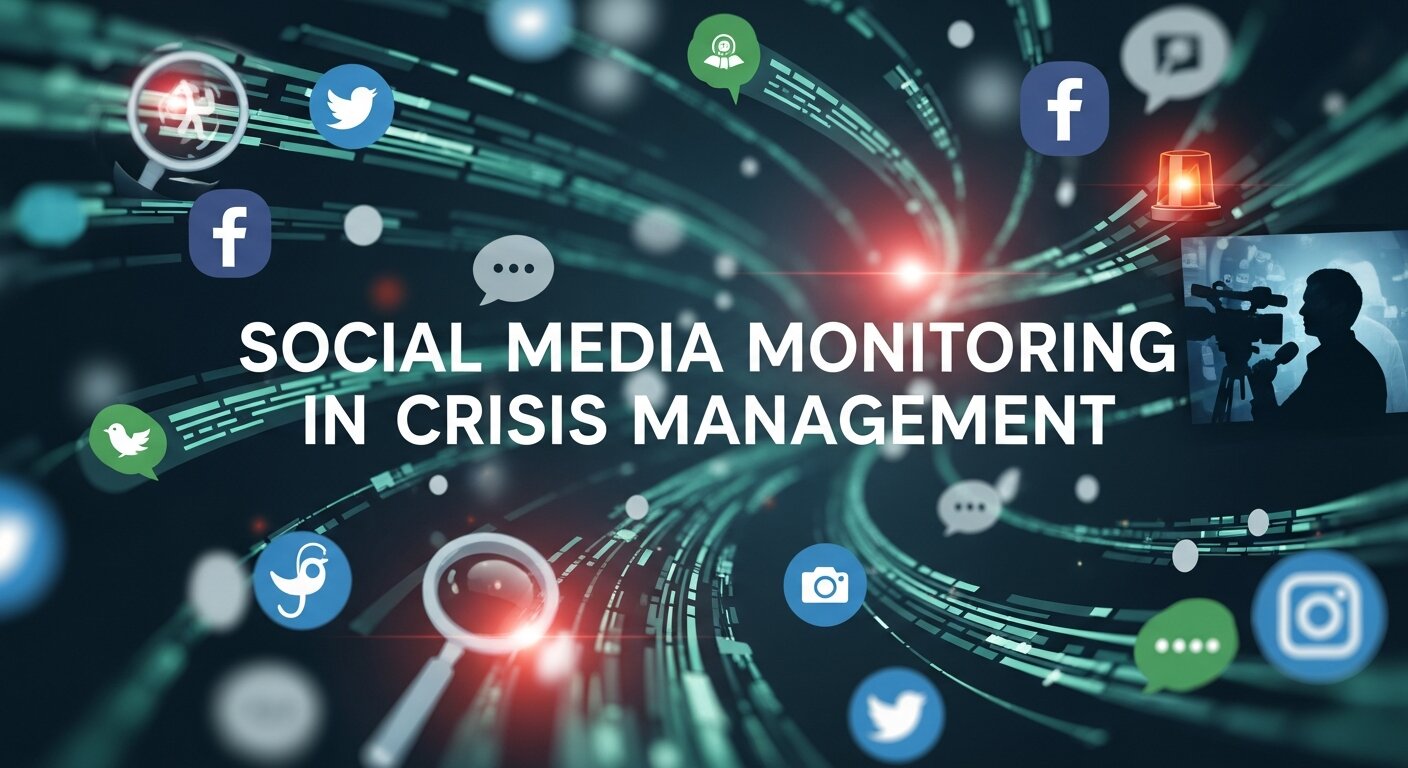 Social media has become one of the fastest channels where crises can escalate. A single viral tweet, Facebook post, or online comment can spread across thousands of users within minutes. This makes real-time social media monitoring an essential part of effective crisis management services.
By tracking brand mentions, hashtags, and trending conversations, businesses can quickly identify negative sentiment before it grows into a larger issue. Monitoring tools also allow organizations to detect misinformation and respond with accurate information promptly. When companies actively monitor social platforms, they gain valuable time to craft thoughtful responses and address concerns before public perception shifts dramatically. In today’s digital environment, proactive social media monitoring is often the difference between containing a crisis and allowing it to spiral out of control.
The Importance of Internal Communication During a Crisis
While public communication often receives the most attention during a crisis, internal communication is equally important. Employees are one of the first groups affected by a crisis, and unclear information can quickly lead to confusion, rumors, and inconsistent messaging.
A well-structured crisis management plan ensures that employees receive clear guidance about what has happened, how the organization is responding, and what actions they should take. When staff members understand the situation, they are better equipped to answer customer questions and represent the company responsibly. Transparent internal communication also helps maintain employee trust and morale during difficult moments. Organizations that keep their teams informed are far more likely to present a unified, confident response to external audiences.
Training Leadership for Crisis Situations
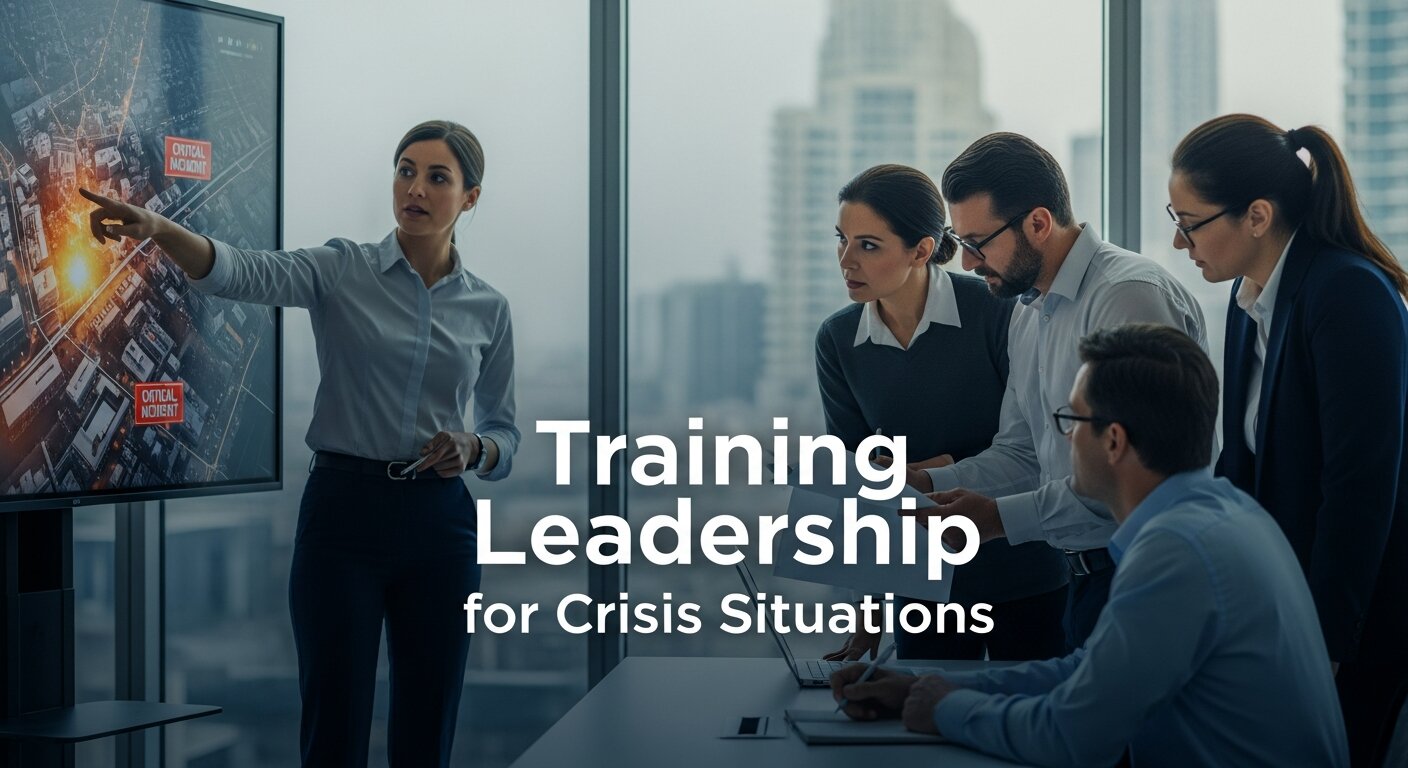 Leadership plays a crucial role in shaping how an organization responds during a crisis. Executives and senior managers are often expected to act as public representatives of the company, communicating with the media, customers, and stakeholders. Without proper training, these high-pressure situations can lead to misstatements that worsen the crisis.
Crisis management services often include leadership training and media coaching to prepare executives for these moments. Through simulations, mock interviews, and scenario planning, leaders learn how to communicate clearly, remain calm under pressure, and deliver consistent messaging. This preparation ensures that leadership responses reflect professionalism and empathy. When leaders handle crises with confidence and transparency, it strengthens public trust and reassures stakeholders that the organization is capable of navigating challenges responsibly.
Learning From a Crisis: Turning Challenges Into Opportunities
Although crises are disruptive, they can also provide valuable opportunities for growth and improvement. Organizations that take the time to analyze what happened can gain insights that strengthen their future resilience. Post-crisis evaluations help identify weaknesses in communication, operational processes, or risk management strategies.
By reviewing these lessons, businesses can update policies, improve training programs, and refine crisis response plans. Many companies also use this moment to demonstrate accountability and commitment to change. When an organization openly acknowledges mistakes and implements meaningful improvements, customers and stakeholders often respond positively. Over time, this transparency can help rebuild trust and even strengthen the brand’s reputation beyond its previous standing.
The Financial Impact of Effective Crisis Management
A poorly managed crisis can have significant financial consequences for any business. Loss of customer trust, declining sales, legal expenses, and negative media coverage can quickly translate into substantial financial damage. In severe cases, companies may face long-term declines in market value and investor confidence.
Effective crisis management services help minimize these financial risks by enabling organizations to respond quickly and strategically. Rapid communication, transparent messaging, and proactive reputation repair can limit negative publicity and restore stakeholder confidence more quickly. While investing in crisis preparedness may seem like an additional expense, it often saves businesses far greater costs in the long run. In many cases, strong crisis management is not just a reputation safeguard—it is a critical financial protection strategy.
Frequently Asked Questions
What is the difference between crisis management and reputation management?
Crisis management focuses on responding to and recovering from a specific event that poses an immediate threat to your brand or operations. Reputation management is broader—it’s the ongoing practice of monitoring, protecting, and actively shaping how your brand is perceived over time. The two disciplines work hand in hand. Effective crisis management is a critical component of a sound reputation management strategy.
When should a business hire a crisis management service?
Ideally, before a crisis occurs. Organizations that engage crisis management services proactively—for planning, training, and risk assessment—are far better prepared to respond effectively when an incident arises. That said, if a crisis is already unfolding, it’s never too late to bring in professional support.
How long does it take to recover from a brand crisis?
Recovery timelines vary significantly depending on the severity of the crisis, how quickly the organization responded, and the quality of its communication strategy. Minor incidents may be resolved within weeks. Major reputational crises can take months or years to fully recover from. Having a structured post-crisis recovery plan—developed with professionals like SanMo BD—can substantially shorten that timeline.
What industries benefit most from crisis management services?
Every industry faces reputational risks, but sectors that operate in high-trust environments—healthcare, financial services, consumer goods, hospitality, and public institutions—tend to face particularly high stakes when crises occur. That said, any organization with a public-facing brand and stakeholder relationships can benefit from professional crisis management support.
Does SanMo BD offer ongoing reputation management, or only crisis response?
SanMo BD offers both. Their services span proactive reputation management, crisis preparedness planning, and active crisis response and recovery. This integrated approach means clients receive support at every stage of the reputation lifecycle—not just when things go wrong.
Protect What You’ve Built
 A crisis doesn’t have to define your brand. With the right preparation, the right partners, and a clear-eyed approach to reputation management, your organization can weather difficult moments and come out the other side with your credibility intact.
SanMo BD’s crisis management services are designed to give businesses exactly that—the strategy, support, and expertise needed to protect their reputation when it matters most. If you’re serious about building a resilient brand, now is the time to start the conversation.