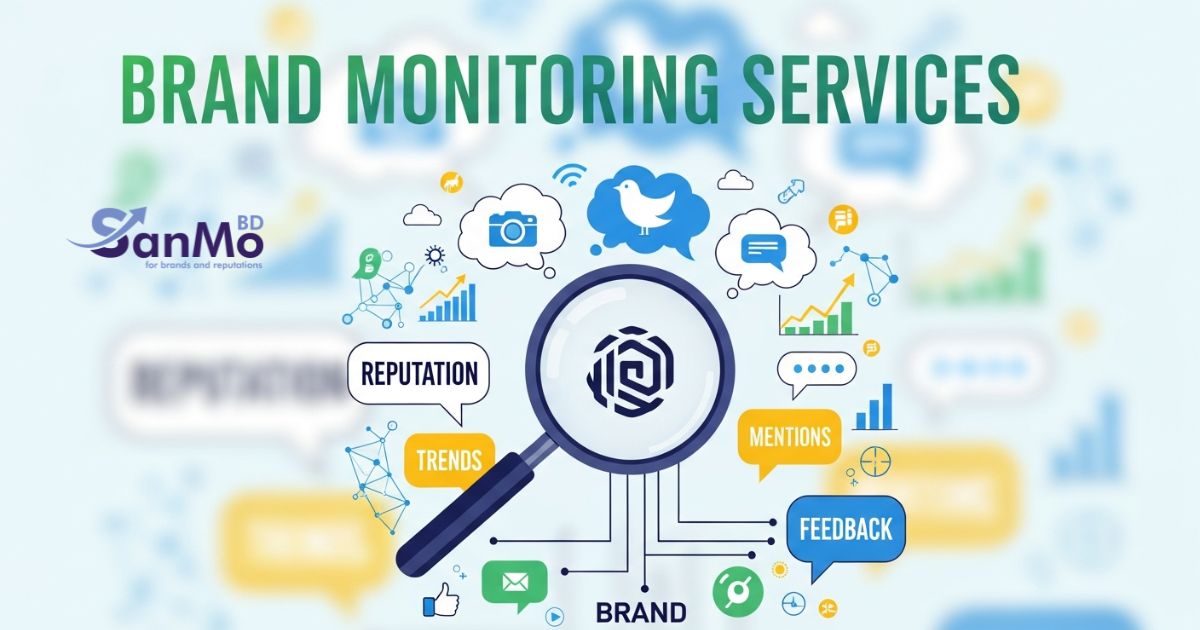
Every time someone talks about your company online, an opportunity arises. A customer might be praising your latest product on a forum, or a frustrated user could be airing grievances on social media. If you are not actively tracking these conversations, you are missing out on critical insights that can shape your business strategy.
Understanding what people say about your organization is a fundamental part of managing your public image. You need to know who is talking, what they are saying, and where these discussions are taking place. This is exactly why businesses invest time and resources into tracking their digital footprint.
By reading this guide, you will learn how to leverage brand monitoring services to keep a close eye on your online presence. We will explore the mechanics of tracking mentions, the benefits of staying informed, and how to set up a robust monitoring strategy. You will also discover how SanMo BD can help you navigate this complex landscape and turn raw data into actionable intelligence.
What Are Brand Monitoring Services?
Brand monitoring services are specialized tools and agencies designed to track digital conversations about a specific entity. This entity could be a company name, a particular product, a key executive, or even a branded hashtag. These services scan vast swaths of the internet, compiling mentions from social media platforms, news sites, blogs, forums, and review boards.
The primary goal is visibility. When you use these services, you gather scattered data points into a single, cohesive dashboard. This centralized view allows marketing and public relations teams to see the big picture. Instead of manually searching for your company name on Google or Twitter, the software does the heavy lifting.
These services use sophisticated algorithms to crawl the web. They look for specific keywords and phrases associated with your organization. Once they find a match, they pull that information into a report. This automated process saves hundreds of hours of manual labor and ensures you never miss a critical mention, regardless of where it occurs on the internet.
Why Tracking Mentions Matters for Your Business
 Staying informed about your digital footprint provides several distinct advantages. It goes far beyond simply knowing if people like your products.
Protect Your Reputation
A single negative review or viral complaint can severely damage your public image. When you track mentions actively, you spot potential crises before they escalate. If a customer posts a highly critical video about your service, early detection allows your team to respond swiftly. You can address the issue, offer a solution, and demonstrate your commitment to customer satisfaction.
Ignoring these complaints often leads to a snowball effect. Other frustrated users might join the conversation, amplifying the negative sentiment. Brand monitoring services act as an early warning system. They alert you to spikes in negative chatter so you can deploy crisis management strategies immediately.
Understand Customer Sentiment
Numbers and sales figures only tell part of the story. To truly understand your market, you need qualitative data. Tracking online conversations helps you gauge public sentiment accurately. You learn exactly what features your customers love and which aspects of your service need improvement.
This feedback loop is invaluable for product development. If multiple users complain about a specific bug in your software on a niche forum, your development team can prioritize that fix. Conversely, if a new marketing campaign generates overwhelming praise on social media, your marketing team knows they have hit the right note.
Identify New Opportunities
Conversations about your industry often reveal untapped markets and potential partnerships. People might be discussing a problem that your product can solve, even if they do not mention your company by name. By monitoring broader industry keywords, you can intercept these discussions and offer your solutions.
Furthermore, monitoring helps you identify influential voices in your sector. If a popular blogger consistently praises your competitors, you can reach out to them and introduce your offerings. Building relationships with these influencers can significantly expand your reach and credibility.
Key Features to Look for in Brand Monitoring Services
Not all monitoring tools are created equal. When selecting a service, you need to ensure it has the specific capabilities required to meet your objectives.
Real-Time Alerts
Information moves rapidly on the internet. A delay of a few hours can mean the difference between successfully mitigating a PR disaster and facing a full-blown crisis. The best brand monitoring services offer real-time alerts. They send notifications to your email or smartphone the moment a high-priority mention occurs. This feature is absolutely essential for managing time-sensitive situations.
Multi-Channel Tracking
Your customers are spread across various platforms. Some prefer sharing opinions on Twitter, while others write detailed reviews on Reddit or specialized blogs. Your monitoring strategy must encompass all these channels. Ensure the service you choose can crawl social media, news outlets, review sites, and niche forums. A narrow focus will leave blind spots in your data collection.
Advanced Analytics
Collecting raw data is only the first step. You need tools to make sense of the noise. Look for services that offer robust analytics and sentiment analysis. These features categorize mentions as positive, negative, or neutral. They also provide visual reports, such as line graphs showing mention volume over time or pie charts detailing share of voice compared to your competitors. Clear visualizations make it easier to share insights with stakeholders and executives.
How to Build an Effective Monitoring Strategy
 Purchasing a tool is easy. Using it effectively requires planning. To get the most out of brand monitoring services, you must implement a structured approach.
Define Your Goals
Start by asking what you want to achieve. Are you primarily concerned with customer service and responding to complaints? Do you want to track the success of a specific marketing campaign? Or are you looking to gather intelligence on your closest competitors? Defining clear objectives will dictate how you set up your tracking parameters and what metrics you prioritize in your reports.
Choose the Right Keywords
The success of your monitoring efforts relies heavily on the keywords you select. Naturally, you should track your company name and product names. However, you must also account for common misspellings and abbreviations.
Additionally, track your main competitors. Knowing what people say about them can highlight weaknesses you can exploit or strengths you need to match. Finally, include broad industry terms to capture conversations where potential customers are looking for recommendations but haven’t chosen a specific provider yet.
Set Up Alerts and Reports
Configure your alerts to avoid information overload. If you receive a notification for every minor mention, you will quickly start ignoring them. Set up immediate alerts for mentions by highly influential accounts or mentions containing specific negative trigger words.
For routine monitoring, rely on scheduled reports. Have the system generate a daily or weekly summary of your mention volume and overall sentiment. This allows your team to review the data comprehensively without constant interruptions.
SanMo BD: Your Partner in Tracking Mentions
Navigating the complexities of digital conversations requires expertise. This is where SanMo BD excels. We specialize in providing top-tier brand monitoring services tailored to the unique needs of your organization.
Customized Solutions
We understand that a global software company requires a different monitoring approach than a regional retail chain. SanMo BD works closely with your team to define your goals and identify the exact keywords and channels that matter most to your success. We configure our tracking systems to filter out irrelevant noise, ensuring you only receive data that impacts your bottom line.
Comprehensive Coverage
Our technology scans the deepest corners of the web. We track mentions across major social media platforms, global news syndicates, regional blogs, and specialized industry forums. With SanMo BD, you gain a panoramic view of your digital reputation. Our advanced sentiment analysis algorithms categorize conversations accurately, giving you a clear understanding of how the public perceives your organization.
Competitive Intelligence Through Brand Monitoring
Brand monitoring is not only about tracking your own reputation—it also provides valuable insights into your competitors. By analyzing what customers are saying about rival brands, you can identify their strengths, weaknesses, and missed opportunities. This helps you refine your own marketing strategies and product positioning. For example, if users consistently complain about a competitor’s customer service, you can highlight your superior support in campaigns. Similarly, positive feedback about their products can reveal industry trends you should adopt. Competitive intelligence gathered through monitoring allows businesses to stay one step ahead in fast-moving markets. It turns public conversations into strategic data that supports smarter decision-making and long-term growth.
The Role of AI in Modern Brand Monitoring
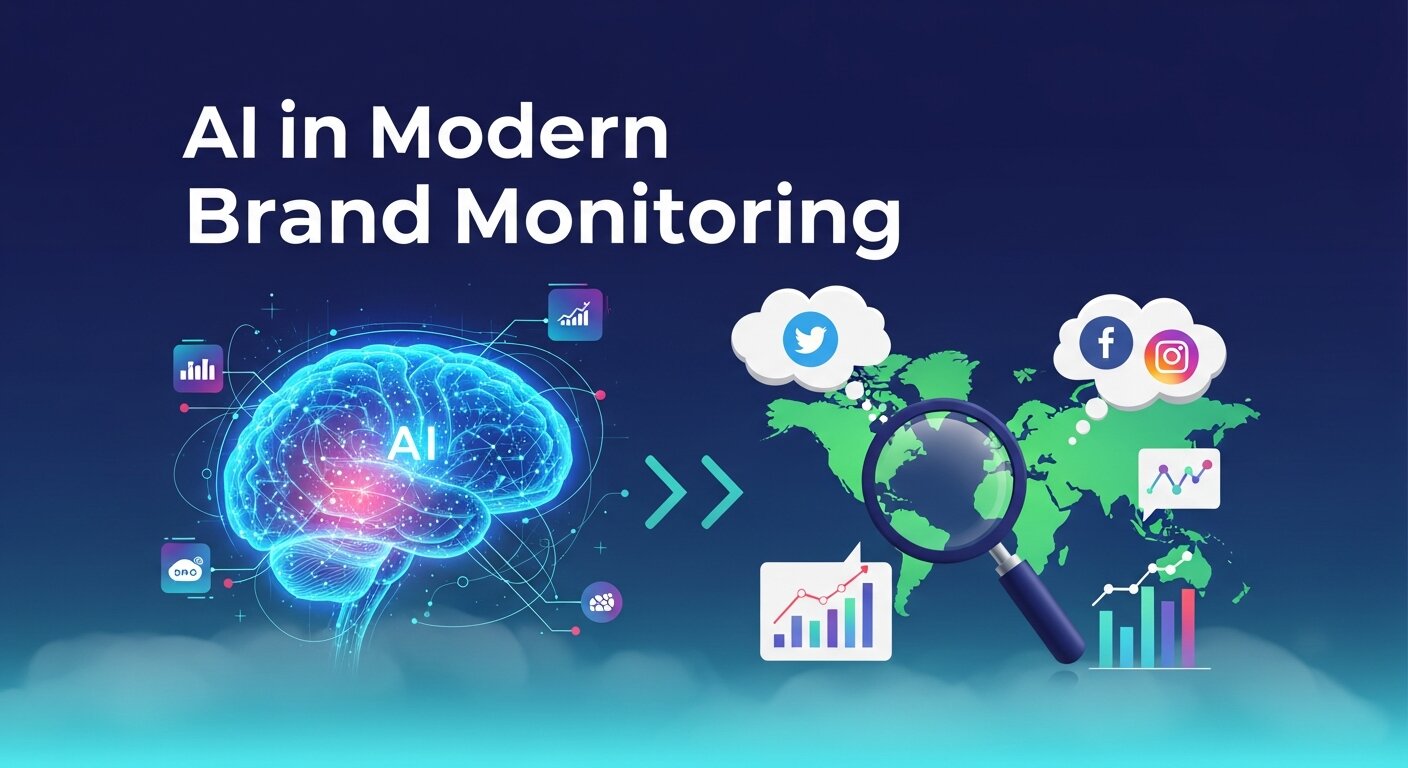 Artificial intelligence has transformed brand monitoring services into highly efficient and intelligent systems. AI-powered tools can scan millions of online sources in seconds, identifying relevant mentions with remarkable accuracy. They use natural language processing to understand context, detect sentiment, and even identify sarcasm or emotional tone. This allows businesses to get a clearer picture of how audiences truly feel. Machine learning also improves accuracy over time by learning from previous data patterns. With AI, companies can prioritize critical alerts, filter out noise, and gain deeper insights from large datasets. As digital conversations continue to grow, AI-driven monitoring becomes essential for managing reputation effectively and efficiently.
Crisis Prevention vs Crisis Response
Effective brand monitoring is not just about reacting to problems—it is also about preventing them. Crisis prevention involves identifying early warning signs, such as a sudden increase in negative mentions or unusual spikes in online discussions. When detected early, businesses can take proactive steps to address concerns before they escalate. On the other hand, crisis response focuses on managing situations after they become public. This includes issuing statements, engaging with customers, and correcting misinformation. A strong monitoring system bridges both approaches by providing real-time insights. By balancing prevention and response, companies can significantly reduce reputational damage and maintain greater control over their public image.
Integrating Brand Monitoring with Marketing Strategy
Brand monitoring should not function as an isolated tool—it must be integrated into your overall marketing strategy. The insights gained from monitoring can directly influence content creation, advertising campaigns, and customer engagement efforts. For example, if customers frequently discuss a specific product feature, marketers can highlight it in promotions. Similarly, negative feedback can guide improvements in messaging or product development. Monitoring data also helps measure campaign effectiveness by analyzing changes in sentiment and mention volume. When combined with marketing analytics, brand monitoring becomes a powerful feedback loop. This integration ensures that your marketing decisions are data-driven, customer-focused, and aligned with real-time audience expectations.
Future Trends in Brand Monitoring Services
The future of brand monitoring is evolving rapidly with advancements in technology and digital communication. One major trend is the increased use of predictive analytics, which allows businesses to forecast potential reputation risks before they occur. Voice and video monitoring are also becoming more common as user-generated content expands beyond text-based platforms. Additionally, integration with CRM systems will enable businesses to connect reputation data directly with customer interactions. Automation will continue to reduce manual effort while improving accuracy and speed. As online conversations become more complex, future monitoring tools will focus on deeper context analysis and real-time decision support, making them indispensable for modern businesses.
Frequently Asked Questions
What is the difference between brand monitoring and social listening?
Brand monitoring focuses on tracking specific mentions of your company, products, or competitors to gather data and respond to immediate issues. Social listening is a broader strategy that analyzes monitoring data to understand overarching industry trends, audience sentiment, and long-term shifts in consumer behavior.
How often should I check my brand mentions?
You should configure real-time alerts for critical issues, such as viral negative posts or mentions from major news outlets. For general sentiment analysis and campaign tracking, reviewing summary reports daily or weekly is usually sufficient.
Can brand monitoring services track mentions on obscure websites?
Yes. High-quality services use advanced web crawlers that index millions of sites, including niche forums, regional blogs, and specialized review boards, ensuring comprehensive coverage beyond mainstream social media.
Take Control of Your Online Presence
Your digital reputation is being shaped right now, whether you are participating in the conversation or not. Implementing professional brand monitoring services gives you the power to steer that narrative. By tracking mentions, analyzing sentiment, and responding to feedback, you build a resilient and trusted public image.
Start taking control of your data today. Review your current monitoring capabilities, define your tracking goals, and reach out to SanMo BD to discover how our tailored solutions can safeguard your reputation and drive your business forward.