Securing a spot on the world’s largest digital encyclopedia is a major milestone for any brand, public figure, or organization. A live Wikipedia article serves as a powerful signal of credibility and industry prominence. People naturally trust the information they find there, and search engines heavily favor its structured data. Getting that page published is only the first step of a much longer journey.
Many organizations celebrate the initial approval of their article, only to find it flagged for deletion or heavily altered a few weeks later. Volunteer editors constantly patrol the platform to ensure every sentence aligns with strict community guidelines. If a page begins to look like a marketing brochure, lacks proper citations, or falls behind on recent developments, it risks losing its hard-earned status. This constant scrutiny means that publishing an article is simply the beginning of your responsibilities.
Effective Wikipedia Page Management requires a strategic approach to monitoring, updating, and community engagement. You have to balance the desire to present accurate, up-to-date information with the platform’s uncompromising demand for neutrality and reliable sourcing. Throughout this guide, we will explore the essential tactics needed to keep your article compliant and highly visible. By understanding the rules of the platform and utilizing the expertise of specialized agencies like SanMo BD, you can ensure your digital legacy remains intact.
Understanding Wikipedia’s Core Content Policies
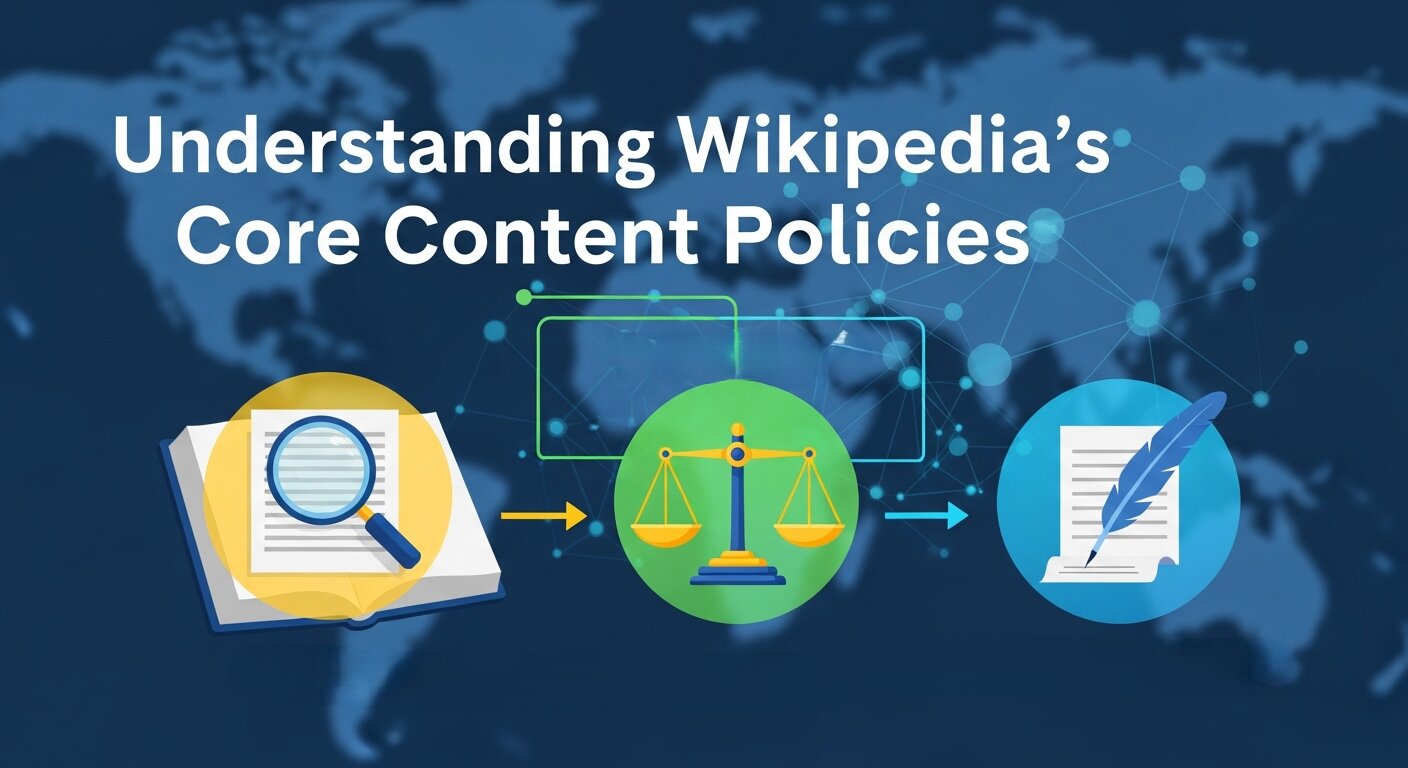 Before making any adjustments to a live article, you need a firm grasp of the foundational rules that govern the platform. Wikipedia is not a social media channel or a corporate blog. It operates on a set of strict content policies designed to protect its integrity as an encyclopedia.
Emphasize a Neutral Point of View (NPOV)
Every sentence on the platform must be written from a neutral point of view. This policy strictly forbids promotional language, biased claims, and subjective opinions. When updating your page, you must present facts clearly and dispassionately. Instead of stating that a company released a “revolutionary new software product,” you should state that the company “released a software product” and cite a reliable tech publication that reviewed it. Removing adjectives and marketing jargon is the most effective way to protect your page from editorial warnings.
Prioritize Verifiability and Reliable Sources
Information is only as good as the source backing it up. The verifiability policy mandates that anyone reading the encyclopedia must be able to check that the information comes from a reliable, published source. Press releases, self-published blogs, and corporate websites generally do not meet this standard. You need independent, secondary sources like major newspapers, academic journals, and respected industry magazines. When adding new milestones to a page, always secure the third-party citation first.
Avoid Original Research
Wikipedia is a tertiary source, meaning it summarizes information that has already been published elsewhere. You cannot use the platform to announce new information, share unpublished data, or present novel theories. If your organization has conducted an internal study, that study must be covered by an independent news outlet before it can be mentioned on your article. Sticking to previously published facts protects your page from being flagged for original research.
Establishing and Maintaining Long-Term Notability
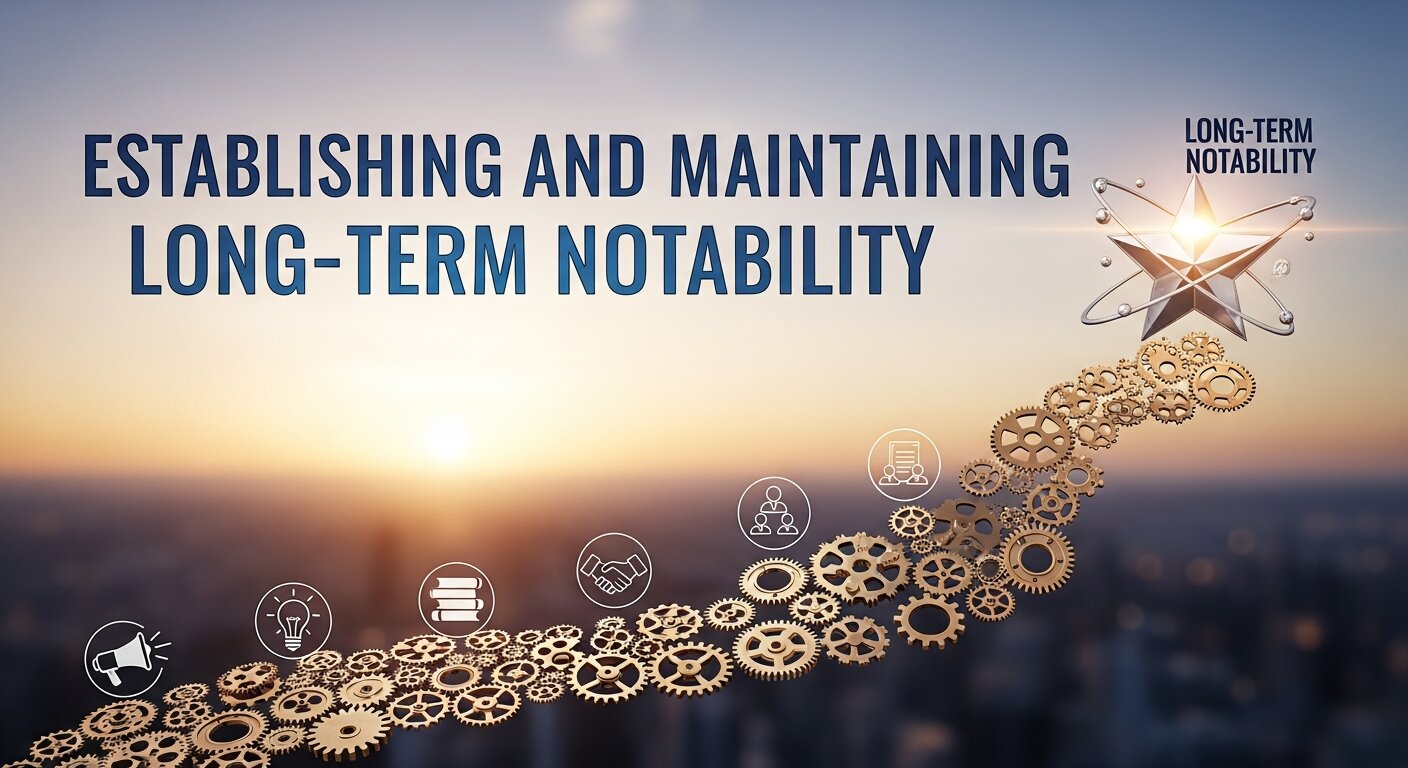 Notability is the primary threshold an individual or organization must cross to warrant a standalone article. However, notability is not a permanent shield. If an entity stops doing things that generate news coverage, editors might eventually merge or delete the page.
The General Notability Guideline (GNG)
The General Notability Guideline states that a topic qualifies for an article if it has received significant coverage in reliable sources that are independent of the subject. Significant coverage means the source discusses the subject directly and in detail, rather than just mentioning it in passing. To maintain your page, you must continue to generate this kind of coverage.
Cultivating Continuous Press Coverage
A stagnant public relations strategy directly harms your Wikipedia Page Management efforts. You need a steady stream of earned media to justify ongoing updates to your article. This involves pitching compelling stories to journalists, participating in major industry events, and achieving notable milestones that the press cannot ignore. When your company wins a major award or acquires another business, ensure those events are covered by reputable news outlets. These new citations will serve as the fuel for your next round of page updates.
Best Practices for Wikipedia Page Management
Managing an active article requires vigilance and a deep respect for the community of volunteer editors. Taking a heavy-handed approach will usually result in an account ban or a protected page.
Monitor for Vandalism and Inaccurate Edits
Because anyone can edit the encyclopedia, highly visible pages are frequent targets for vandalism or well-intentioned but inaccurate alterations. Regular monitoring is essential. You should review the page’s history log frequently to spot unverified changes. If you find vandalism, you can carefully revert the edit, leaving a clear and polite explanation in the edit summary. For businesses with limited time, partnering with a specialized team ensures your page is monitored around the clock.
Update Information Proactively
An outdated page reflects poorly on the subject and the encyclopedia itself. When executive leadership changes, financial figures are publicly updated, or major acquisitions occur, the article should reflect these new realities. Propose these factual updates on the article’s “Talk” page rather than editing the main page directly. Provide the exact text you want to add alongside the independent source that verifies it. This transparent approach builds trust with independent editors.
Engage with the Editing Community Properly
Never treat volunteer editors as adversaries. They dedicate their free time to maintaining the quality of the project. If an editor removes a section of your page, review their reasoning carefully. They usually cite a specific policy violation. Instead of starting an edit war by reverting their change, open a discussion on the Talk page. Ask for clarification, suggest a compromise that aligns with their concerns, and remain polite at all times. Transparency and collaboration are the keys to successful conflict resolution on the platform.
How SanMo BD Elevates Your Wikipedia Strategy
Navigating the complex ecosystem of guidelines, user hierarchies, and citation requirements can overwhelm an in-house marketing team. A single misstep regarding Conflict of Interest (COI) policies can result in public warning banners being plastered at the top of your article. This is where professional Wikipedia Page Management becomes an invaluable asset.
SanMo BD specializes in the nuanced art of keeping your digital presence compliant and highly visible. Their team understands the intricate balance between brand representation and encyclopedic neutrality. By utilizing advanced monitoring tools, SanMo BD tracks every change made to your article in real time. They handle the delicate process of proposing updates on Talk pages, ensuring that every request is backed by impeccable, independent sourcing. Furthermore, they provide strategic guidance on your overall public relations efforts, helping you secure the exact type of media coverage needed to strengthen your page’s notability over time. Trusting experts with this task allows you to focus on your core business operations while your digital legacy remains secure.
 One of the most critical aspects of Wikipedia Page Management is understanding Conflict of Interest (COI) rules. These guidelines discourage individuals or organizations from directly editing pages about themselves due to the risk of biased content. When COI exists, edits must be disclosed transparently on Talk pages rather than made directly to the article. Editors are expected to propose changes objectively and let neutral contributors implement them. Violating COI policies can lead to content removal or account restrictions. Agencies and professionals managing Wikipedia pages must operate carefully within these boundaries. The goal is not to control the narrative but to ensure factual accuracy supported by independent sources, maintaining the encyclopedia’s integrity while still improving the quality and completeness of the article.
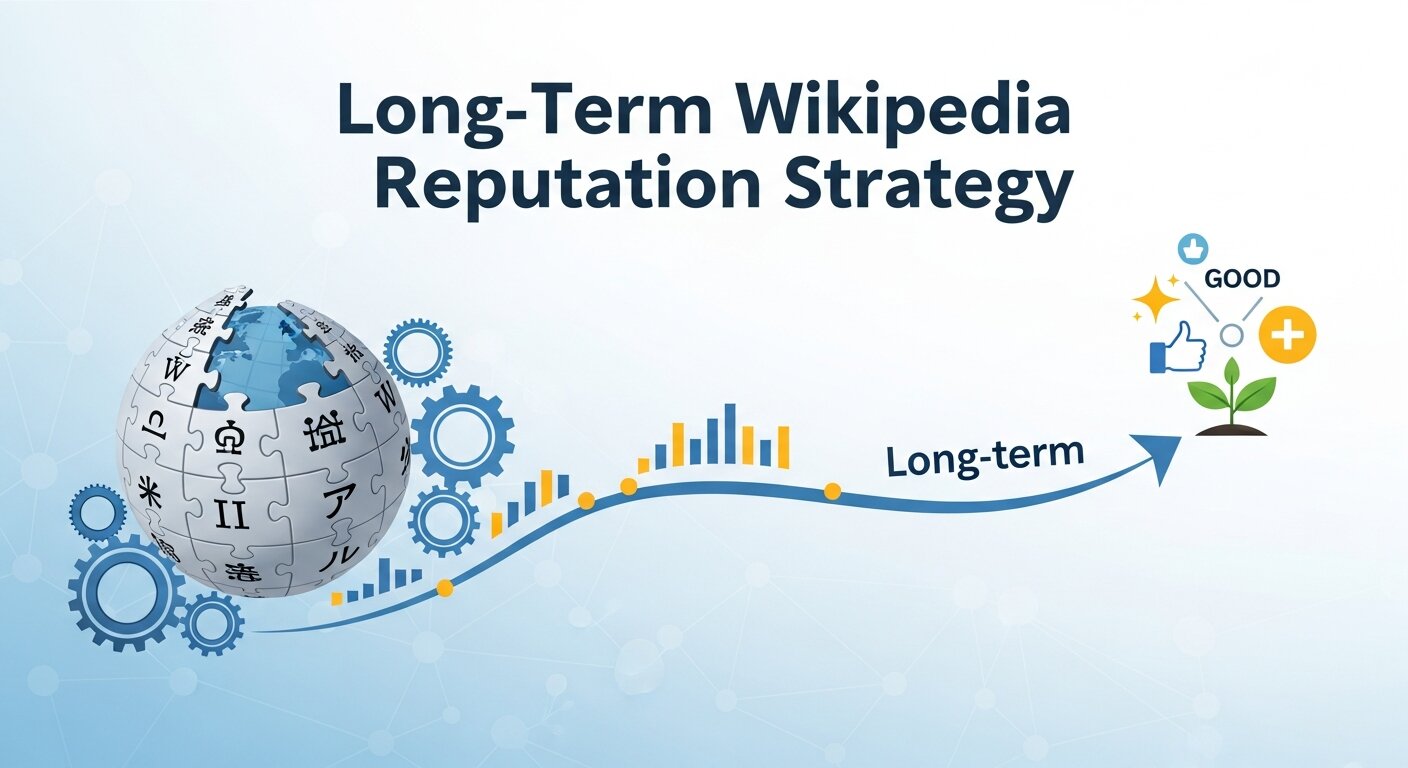 Managing a Wikipedia page is not a one-time task but a continuous reputation-building process. Long-term success depends on maintaining notability, consistent media coverage, and accurate updates aligned with real-world developments. Organizations must view their Wikipedia presence as part of a broader
 Frequently Asked Questions
Can I edit my own company’s Wikipedia page directly?
Editing a page about yourself, your employer, or your clients constitutes a Conflict of Interest (COI). While not strictly forbidden, it is highly discouraged. You must disclose your affiliation on your user page and the article’s Talk page. It is always best practice to propose changes on the Talk page and allow an independent editor to review and implement them.
What should I do if my page is nominated for deletion?
Do not panic and do not aggressively edit the page to remove the deletion tag. Read the deletion nomination carefully to understand the specific policies the page allegedly violates. Gather high-quality, independent sources that prove the subject’s notability. You can politely participate in the deletion discussion, presenting your sources and arguing how the subject meets the General Notability Guideline.
How often should a Wikipedia page be updated?
There is no set schedule. A page should be updated whenever significant, verifiable events occur that are covered by reliable secondary sources. Routine company announcements or minor product tweaks usually do not warrant an update. Focus on major milestones, leadership changes, or notable financial shifts.
Why was my perfectly cited information removed?
Even well-cited information can be removed if it violates other policies, such as undue weight or promotional tone. If a paragraph reads like an advertisement, editors will delete it regardless of the citations. Always check the edit history to read the specific reason the volunteer provided for the removal.
Secure Your Brand’s Legacy in the World’s Encyclopedia
Maintaining a live article requires dedication, patience, and a thorough understanding of an evolving set of community guidelines. You have to monitor the page consistently, propose updates transparently, and continuously generate high-quality press coverage to support your ongoing notability.
A proactive approach to Wikipedia Page Management prevents minor inaccuracies from turning into major reputational issues. By respecting the platform’s core tenets of neutrality and verifiability, you build a resilient digital presence. For organizations looking to eliminate the guesswork and safeguard their online footprint, partnering with experienced professionals like SanMo BD provides a clear path forward. Protect your credibility, engage transparently with the community, and ensure your story is told accurately for years to come.