Your brand’s reputation can unravel in minutes. A single viral post, a coordinated review attack, or leaked internal communications can trigger a crisis that damages customer trust and impacts revenue. The digital landscape moves fast, and traditional crisis response strategies often fall short when threats emerge online.
Businesses need more than damage control—they need comprehensive crisis management services that can identify threats early, respond strategically, and protect long-term brand value. This is where specialized digital crisis management becomes essential.
Whether you’re facing negative press, social media backlash, or coordinated attacks on your online presence, understanding how to navigate these challenges can make the difference between recovery and lasting reputational harm. Companies like SanMo BD are helping organizations develop robust frameworks to handle these threats effectively.
This guide explores what digital crisis management services entail, why they matter, and how businesses can prepare for and respond to online reputation threats.
What Are Crisis Management Services?
Crisis management services help organizations prevent, prepare for, and respond to events that threaten their reputation, operations, or stakeholder relationships. In the digital context, these services focus specifically on threats that emerge or escalate online.
Digital crises can take many forms:
- Viral negative content (videos, posts, reviews)
- Data breaches or security incidents
- Employee misconduct captured and shared online
- Product failures amplified through social media
- Coordinated attack campaigns from competitors or activists
- Misinformation is spreading about your brand
Professional crisis management services provide the expertise, tools, and processes needed to address these situations quickly and effectively. They combine monitoring technology, strategic communications, legal considerations, and reputation repair tactics into a coordinated response.
Why Digital Crisis Management Matters More Than Ever
The speed and reach of digital communications have fundamentally changed how crises unfold. A customer complaint that once would have remained private can now reach millions within hours. Search engines index negative content, making it discoverable for years.
Several factors make digital crisis management particularly critical:
Permanent digital footprint: Online content rarely disappears completely. Even deleted posts may be cached, screenshotted, or republished elsewhere.
Algorithmic amplification: Social media algorithms prioritize engaging content, which often means controversial or negative material spreads faster than positive messages.
24/7 news cycle: Digital platforms never sleep. A crisis can emerge and escalate overnight, requiring constant vigilance and rapid response capabilities.
Stakeholder expectations: Customers, investors, and partners expect immediate responses. Silence or delayed reactions can be interpreted as guilt or incompetence.
Competitive vulnerability: Competitors may exploit your crisis, and your market position can erode quickly if trust is damaged.
Organizations that invest in crisis management services gain the ability to respond appropriately when threats emerge, rather than scrambling to develop strategies in the midst of chaos.
Core Components of Effective Crisis Management Services
Professional crisis management services typically include several interconnected capabilities:
Threat Monitoring and Early Warning Systems
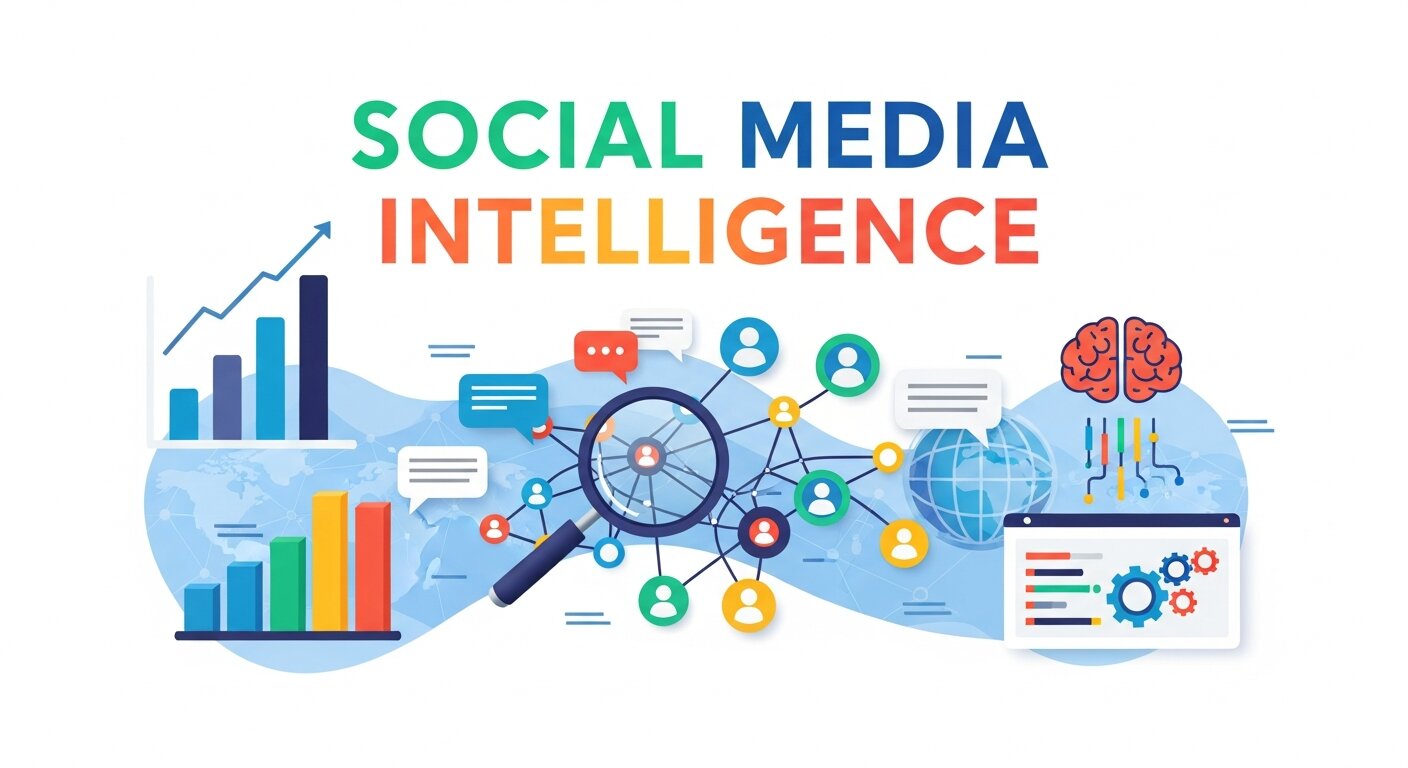
The best crisis response is prevention. Advanced monitoring tools track mentions of your brand, products, executives, and related keywords across social media, news sites, review platforms, forums, and blogs.
Early detection allows you to address potential issues before they escalate. A few negative reviews might be manageable, but identifying patterns early can prevent them from snowballing into a larger reputation problem.
Monitoring systems should flag:
- Sudden spikes in negative mentions
- Sentiment shifts in social conversations
- Emerging issues in specific geographic areas or demographic segments
- Coordinated activity that suggests organized campaigns
Strategic Response Planning
When a crisis hits, you need a clear plan. Crisis management services help organizations develop response frameworks that outline:
- Decision-making hierarchies and approval processes
- Communication protocols for different stakeholder groups
- Prepared statement templates and messaging guidelines
- Escalation triggers that determine when to activate crisis protocols
Having these elements in place before a crisis occurs ensures faster, more consistent responses. Teams know their roles, messages align across channels, and critical time isn’t wasted debating strategy while the situation deteriorates.
Rapid Response Capabilities
Speed matters in digital crises. Crisis management services provide teams that can mobilize quickly to:
- Draft and approve public statements
- Coordinate responses across multiple platforms
- Engage with media and influencers
- Monitor real-time developments and adjust strategies accordingly
The goal is to control the narrative before misinformation fills the void. Prompt, transparent communication demonstrates accountability and can prevent speculation from driving the story.
Content Suppression and Removal
Not all negative content needs to remain visible. Crisis management services work to:
- Request removal of policy-violating content from platforms
- Pursue legal action against defamatory or fraudulent posts
- Optimize positive content to outrank negative search results
- Create new, authoritative content that provides context and balance
This aspect requires careful judgment. Overly aggressive removal attempts can backfire and create “Streisand effect” situations where suppression efforts generate more attention.
Stakeholder Communication Management
Different audiences require tailored messages. Crisis management services help organizations communicate effectively with:
- Customers and prospects
- Employees and their families
- Investors and board members
- Media and influencers
- Regulatory bodies and legal teams
- Partners and suppliers
Each group has different information needs and concerns. Coordinated communication ensures consistent messaging while addressing specific stakeholder priorities.
Recovery and Reputation Repair
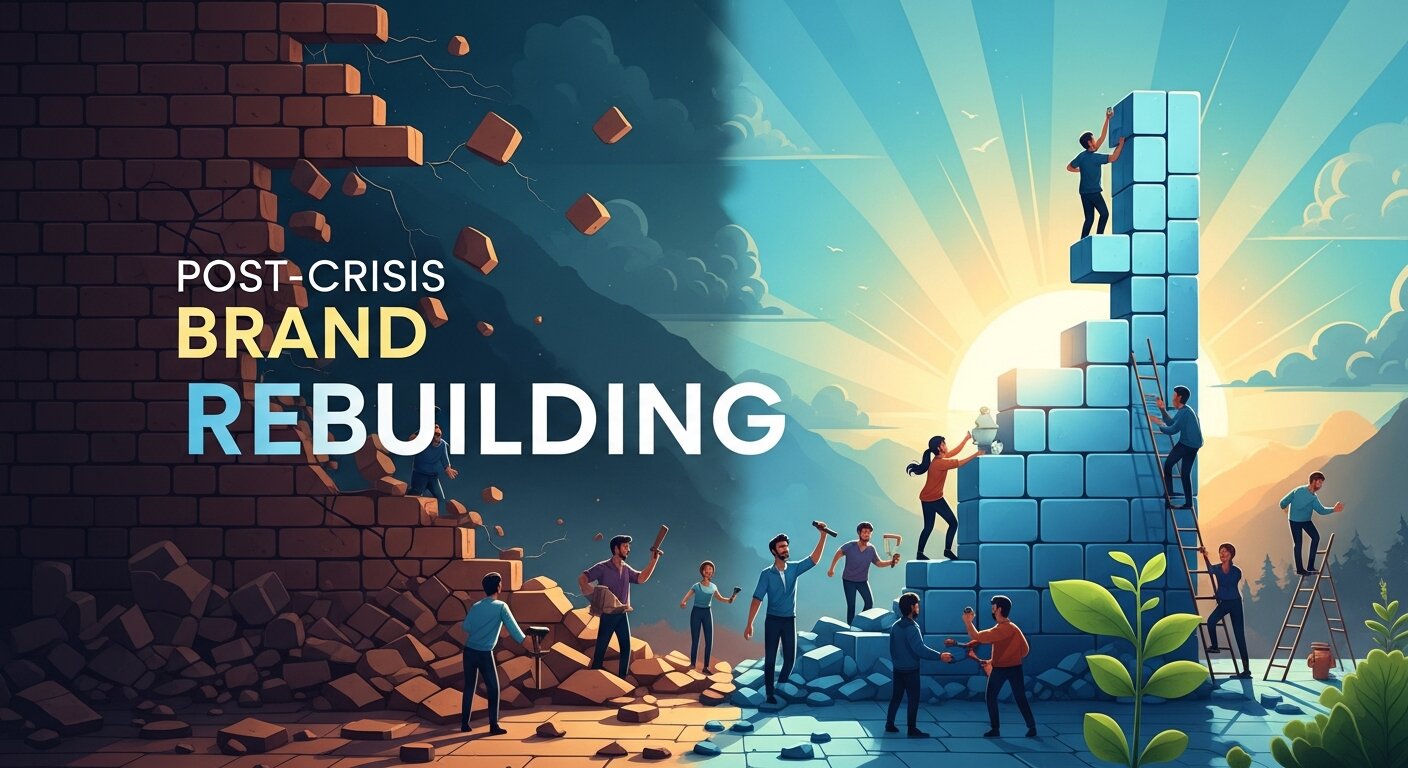
After the acute phase of a crisis passes, the work continues. Long-term reputation repair includes:
- Publishing positive content that demonstrates your values and commitments
- Engaging in community initiatives that rebuild trust
- Implementing changes that address root causes of the crisis
- Monitoring sentiment recovery and adjusting strategies as needed
Companies like SanMo BD specialize in these comprehensive approaches, helping businesses not just survive crises but emerge stronger.
Building Your Crisis Management Framework
Organizations serious about protecting their digital reputation should develop crisis management capabilities before threats emerge. Here’s how to build an effective framework:
Conduct a Vulnerability Assessment
Identify potential crisis scenarios specific to your industry, business model, and current operational environment. Consider:
- Product or service failures
- Employee misconduct or safety incidents
- Data security breaches
- Executive controversies
- Customer safety issues
- Environmental or social responsibility failures
Understanding where you’re most vulnerable allows you to prepare targeted response strategies.
Assemble Your Crisis Team
Designate specific individuals responsible for crisis management, including:
- Executive sponsor (typically CEO or CMO)
- Communications lead
- Legal counsel
- IT/security specialist
- Customer service representative
- Social media manager
Ensure team members understand their roles and have the authority to make decisions quickly during crises.
Develop Response Protocols
Create detailed playbooks for different crisis scenarios, including:
- Communication templates for various situations
- Approval workflows that balance speed with oversight
- Platform-specific response guidelines
- Media engagement protocols
- Internal communication procedures
Test these protocols regularly through simulation exercises.
Invest in Monitoring Technology
Deploy tools that provide comprehensive coverage of your digital presence. Look for platforms that offer:
- Real-time alerts for emerging issues
- Sentiment analysis capabilities
- Historical data for trend identification
- Integration with your existing communication tools
Partner with Crisis Management Specialists
Many organizations benefit from working with experienced crisis management services providers like SanMo BD. External partners bring:
- Specialized expertise across crisis types
- Objective perspectives unclouded by internal politics
- Established media relationships
- Advanced technology platforms
- Scalable resources that can be activated during crises
This partnership model allows organizations to maintain lean internal teams while accessing deep expertise when needed.
Responding to Active Reputation Threats
When a crisis emerges, follow these principles:
Act quickly but thoughtfully: Speed matters, but rushed responses that lack accuracy or appropriate tone can worsen the situation. Have approval processes that enable rapid decision-making without sacrificing quality.
Acknowledge and take responsibility: Denying problems or deflecting blame rarely works. Stakeholders respect organizations that own their mistakes and focus on solutions.
Communicate transparently: Provide regular updates, even when you don’t have complete information. Explain what you know, what you’re investigating, and when stakeholders can expect more details.
Show empathy: Recognize how the situation affects people. Generic corporate statements feel hollow; genuine concern and commitment to making things right resonate.
Focus on actions, not just words: Explain concrete steps you’re taking to address the issue and prevent recurrence. Actions rebuild trust more effectively than promises.
Monitor and adapt: Track how your response is received and adjust your approach based on stakeholder reactions and evolving circumstances.
Frequently Asked Questions
How long does it take to recover from a digital reputation crisis?
Recovery timelines vary significantly based on the crisis severity, your response effectiveness, and your industry. Minor issues might resolve in days or weeks with proper handling. Major crises involving safety, ethics, or widespread trust violations can take months or years to fully recover from. Consistent, authentic actions matter more than time alone.
Should we respond to every negative comment or review?
No. Responding to everything can make you appear defensive and actually amplify negative content. Focus on addressing substantive concerns, correcting factual inaccuracies, and engaging where your response provides value to broader audiences. Ignore obvious trolling or attacks designed to provoke reactions.
What’s the biggest mistake companies make during digital crises?
Delayed response is the most common critical error. Many organizations spend too much time debating internally while the situation escalates publicly. Having pre-approved crisis management protocols allows faster action when it matters most.
How much do crisis management services typically cost?
Costs vary widely based on scope and service model. Retainer-based services might range from a few thousand to tens of thousands of dollars monthly, providing ongoing monitoring and preparedness. Per-incident crisis response can cost anywhere from $10,000 to $250,000+, depending on crisis complexity and duration. Prevention and preparation are generally far more cost-effective than crisis response.
Can crisis management services guarantee negative content removal?
No reputable provider can guarantee removal of all negative content. Platforms have specific policies governing content removal, and many negative posts don’t violate those policies. Crisis management services can request removal where appropriate, pursue legal options for defamatory content, and employ SEO strategies to minimize visibility, but complete removal often isn’t possible or advisable.
How do we know if we need professional crisis management services?
Consider professional services if your organization: operates in high-scrutiny industries, has experienced reputation challenges in the past, lacks internal crisis response expertise, faces elevated risk due to growth or change, or wants to develop proactive reputation protection capabilities. SanMo BD and similar providers can assess your specific needs and recommend appropriate solutions.
Protecting Your Reputation in the Digital Age
Digital reputation threats will continue evolving as platforms, technologies, and communication patterns change. Organizations that invest in comprehensive crisis management services position themselves to weather these challenges while maintaining stakeholder trust.
The key is preparation. Waiting until a crisis emerges to develop response capabilities puts you at a severe disadvantage. Building monitoring systems, response protocols, and partnerships with specialists like SanMo BD before you need them ensures you’re ready when threats materialize.
Your reputation represents years of work building customer relationships, brand equity, and market position. Protecting it requires the same strategic investment you apply to other critical business functions. Crisis management services provide the expertise, tools, and frameworks to safeguard this essential asset in an increasingly complex digital environment.
Start by assessing your current vulnerabilities, developing basic response protocols, and considering partnerships that can strengthen your crisis management capabilities. The reputation you save may be your own.