Influencer marketing has grown from a nice-to-have into a core part of many brands’ strategies. But here’s the catch: spending money on creators is easy. Proving that spend actually paid off? That’s where things get tricky.
If you’ve ever wondered whether your latest campaign was a win or a waste, you’re not alone. Many marketers struggle to connect influencer activity to real business outcomes. The good news is that measuring return on investment (ROI) doesn’t have to feel like guesswork.
In this guide, we’ll break down exactly how to measure ROI from influencer marketing services. You’ll learn which metrics matter, how to set up tracking, and how to calculate your returns with confidence. By the end, you’ll have a clear framework to evaluate every campaign—and make smarter decisions about where your budget goes.
Why Measuring Influencer Marketing ROI Matters
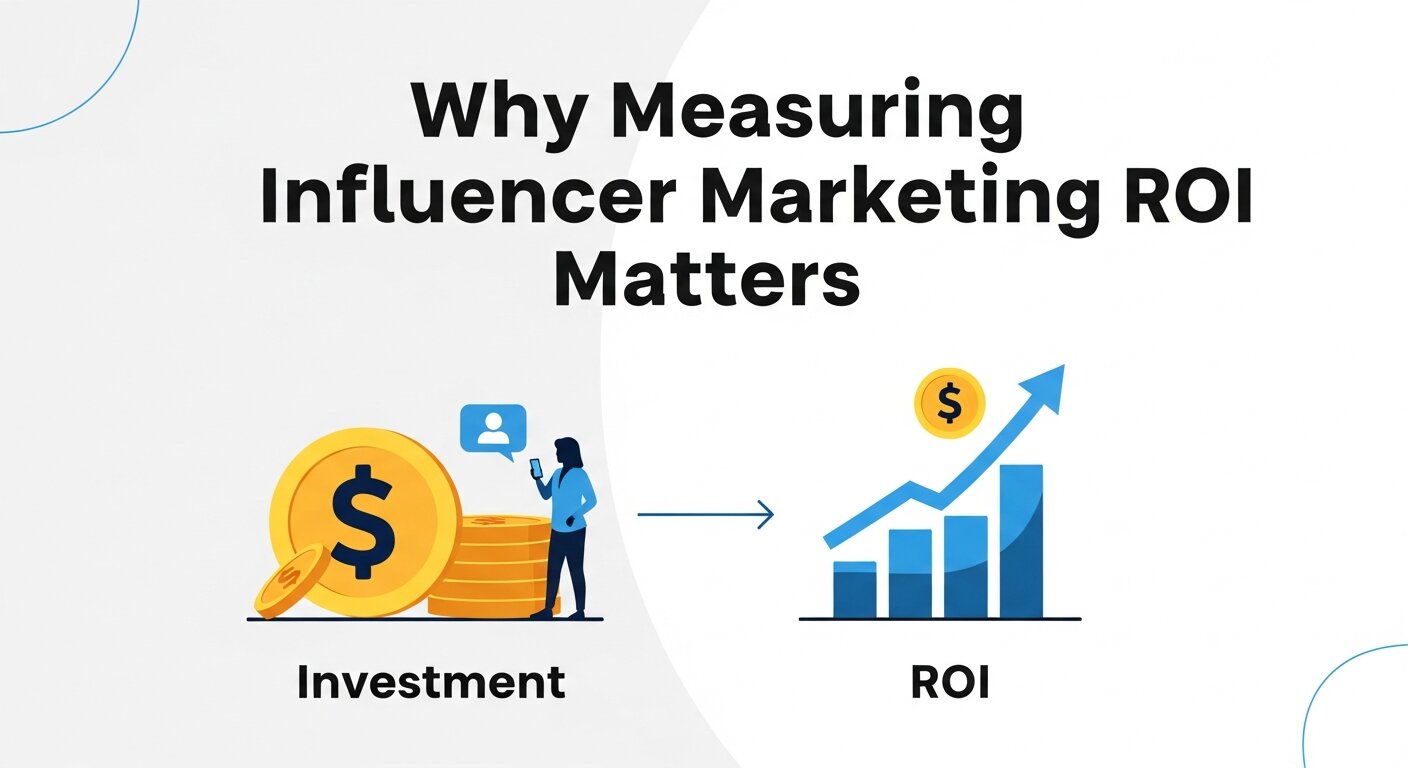 Before diving into the how, let’s talk about the why. Influencer marketing can deliver impressive results, but without proper measurement, you’re essentially flying blind.
Tracking ROI helps you understand which creators, platforms, and content types drive the best results. It also justifies your budget to stakeholders who want to see real numbers, not just vanity metrics like follower counts. Most importantly, it lets you double down on what works and cut what doesn’t.
At SanMo BD, we’ve seen brands transform their results simply by shifting from “spray and pray” tactics to measurement-driven campaigns. When you know your numbers, every dollar works harder.
Set Clear Goals Before You Start
You can’t measure success if you haven’t defined it. The biggest mistake brands make is launching a campaign without agreeing on what they want to achieve.
Different goals require different metrics. Here are the most common objectives for influencer marketing services:
- Brand awareness: Reach, impressions, and follower growth
- Engagement: Likes, comments, shares, and saves
- Traffic: Clicks, website visits, and link taps
- Conversions: Sales, sign-ups, downloads, or leads
- Brand sentiment: Comments, mentions, and audience feedback
Pick your primary goal first, then choose secondary ones if needed. A campaign built around conversions will be measured very differently from one focused on awareness. Setting this up front saves you headaches later.
Key Metrics to Track for Influencer Marketing ROI
Once your goals are clear, it’s time to focus on the metrics that actually reflect performance. Not all numbers are created equal, so let’s break down the ones worth your attention.
Engagement Rate
Engagement rate tells you how actively an audience interacts with content. To calculate it, add up all interactions (likes, comments, shares, saves), divide by total followers or reach, then multiply by 100.
A high engagement rate often signals an authentic, invested audience—which is exactly what you want. A creator with 50,000 highly engaged followers can outperform one with 500,000 passive ones.
Reach and Impressions
Reach measures how many unique people saw the content. Impressions count the total number of times it appeared, including repeat views. These metrics matter most for awareness campaigns, where visibility is the goal.
Click-Through Rate (CTR)
CTR shows the percentage of people who clicked a link after seeing the content. It’s a strong indicator of how compelling the call to action was. Use trackable links to measure this accurately.
Conversions
This is where the rubber meets the road. A conversion happens when someone takes the action you wanted—buying a product, signing up for a newsletter, or downloading an app. Conversions tie influencer activity directly to revenue.
Cost Per Acquisition (CPA)
CPA tells you how much you spent to gain one customer or lead. Divide your total campaign cost by the number of conversions. A lower CPA means a more efficient campaign.
How to Calculate Influencer Marketing ROI
Now for the formula everyone wants. The basic ROI calculation is straightforward:
ROI = (Revenue Generated − Campaign Cost) ÷ Campaign Cost × 100
Let’s walk through an example. Say you spent $5,000 on an influencer campaign and it generated $20,000 in sales. Your calculation would look like this:
- Revenue generated: $20,000
- Campaign cost: $5,000
- ROI = ($20,000 − $5,000) ÷ $5,000 × 100 = 300%
That means you earned $3 for every $1 spent. Not bad at all.
But remember—campaign cost isn’t just the creator’s fee. Include product samples, agency fees, content production, and any paid promotion. A complete cost picture gives you accurate numbers.
For awareness-focused campaigns where direct revenue is harder to track, you can measure ROI using metrics like cost per thousand impressions (CPM) or the value of earned media. These give you a sense of efficiency even when sales aren’t the immediate goal.
Tools and Methods for Tracking Results
Accurate measurement depends on the right tracking setup. Here are the methods that make attribution possible.
Unique Discount Codes
Give each influencer a custom promo code. When customers use it, you know exactly which creator drove that sale. This is one of the simplest and most reliable tracking methods.
Trackable Links and UTM Parameters
UTM codes are tags added to URLs that tell your analytics platform where traffic came from. Pair them with tools like Google Analytics to trace clicks, visits, and conversions back to specific influencers.
Affiliate Links
Affiliate programs assign each creator a unique link that tracks sales automatically. This works especially well for performance-based partnerships.
Platform Analytics
Instagram, TikTok, and YouTube all offer built-in insights. These show reach, engagement, and audience demographics directly from the source.
Dedicated Influencer Marketing Platforms
Specialized software can consolidate data across creators and campaigns. For brands running multiple partnerships, this saves hours of manual work and reduces errors.
Common Mistakes to Avoid
Even experienced marketers stumble when measuring ROI. Watch out for these pitfalls.
Focusing only on vanity metrics: Follower counts and likes feel good, but they don’t always translate to revenue. Always tie metrics back to your goals.
Ignoring the customer journey: Influencer content often plays a role early in the buying process. A customer might discover your brand through a creator, then convert weeks later through another channel. Attribution models that account for this give a fairer picture.
Not tracking from day one: If you set up tracking after a campaign launches, you’ll lose valuable data. Get your codes, links, and goals in place before anything goes live.
Forgetting long-term value: Some benefits, like brand reputation and audience trust, build over time. A single campaign might not show massive immediate ROI but could pay dividends for months.
How SanMo BD Helps You Measure What Matters
Getting ROI measurement right takes strategy, tools, and experience. That’s where the right partner makes all the difference. SanMo BD offers influencer marketing services designed around results, not guesswork.
From setting clear goals to tracking every conversion, SanMo BD builds campaigns with measurement baked in from the start. The team helps you choose creators who genuinely connect with your audience, set up airtight tracking, and report on the numbers that actually move your business forward. When you can see exactly what’s working, scaling becomes simple. That’s the kind of clarity every brand deserves.
Choosing the Right Influencers for Maximum ROI
Not every influencer is the right fit for your brand. A creator with millions of followers may generate less impact than someone with a smaller but highly engaged audience. When selecting influencers, focus on audience demographics, engagement quality, content style, and brand alignment rather than follower count alone. Review past collaborations and analyze whether their followers genuinely interact with their content. Authenticity is especially important because audiences quickly recognize forced partnerships. By choosing creators whose values and audience match your brand, you increase trust and improve campaign performance. The right influencer partnership creates meaningful engagement, stronger conversions, and a higher return on investment over time.
The Impact of Micro-Influencers on Campaign Performance
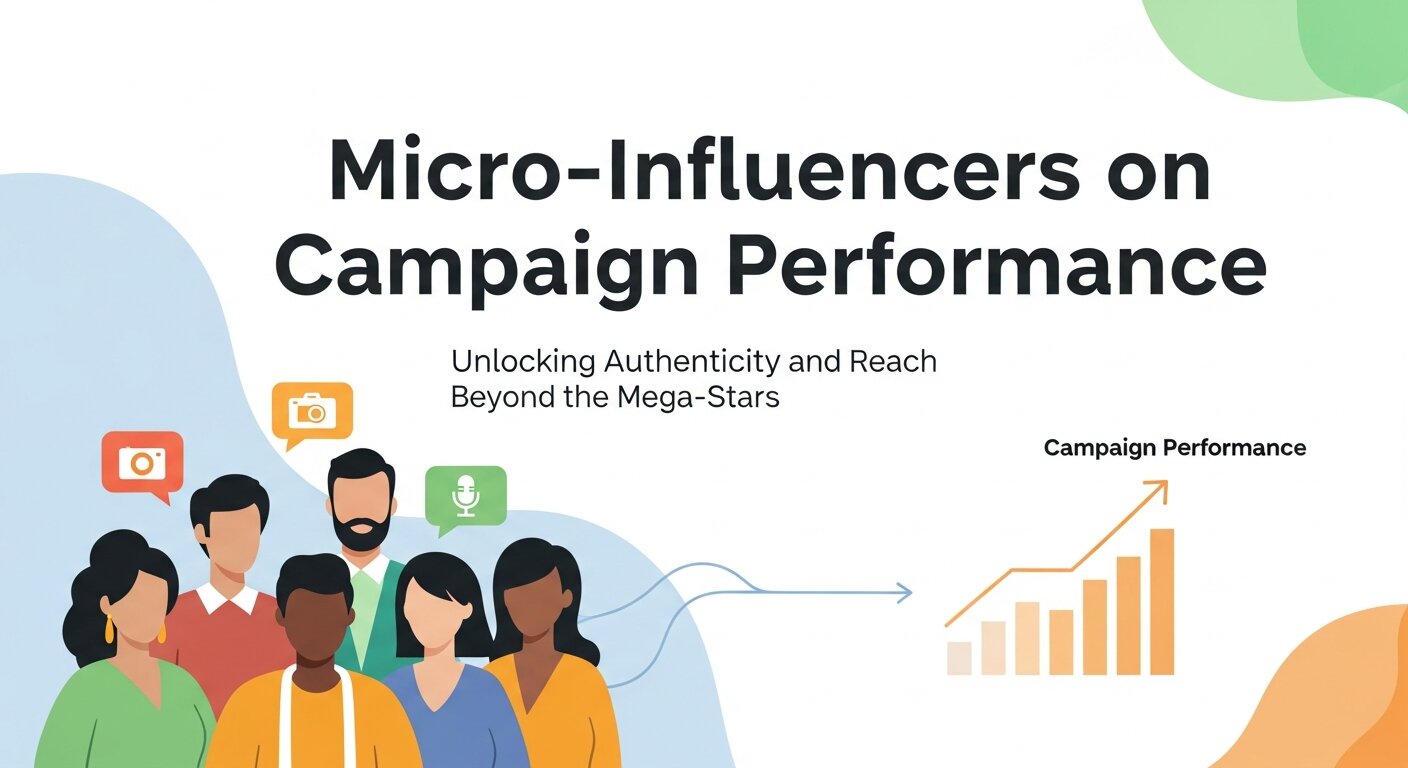 Micro-influencers are becoming one of the most valuable assets in influencer marketing. Typically having between 10,000 and 100,000 followers, they often maintain closer relationships with their audiences than celebrity influencers do. This personal connection leads to higher engagement rates and stronger trust. Many brands find that micro-influencers generate better ROI because their recommendations feel more genuine and targeted. They are also more affordable, allowing businesses to collaborate with multiple creators within the same budget. Instead of focusing solely on massive reach, brands can use micro-influencers to build authentic relationships with niche audiences and achieve consistent marketing results that scale over time.
How Influencer Content Creates Long-Term Value
The value of influencer marketing doesn’t always end when a campaign finishes. High-quality influencer content can continue driving traffic, engagement, and conversions long after the initial post goes live. Brands often repurpose influencer-created videos, photos, and testimonials across websites, social media channels, email campaigns, and paid advertisements. This extends the lifespan of the campaign and increases the return on your investment. Evergreen content, especially tutorials, product reviews, and educational videos, can remain relevant for months or even years. By treating influencer content as a long-term marketing asset rather than a one-time promotion, businesses maximize both their reach and overall campaign value.
The Role of Authenticity in Influencer Marketing Success
 Authenticity is one of the biggest factors behind successful influencer marketing campaigns. Audiences follow creators because they trust their opinions and appreciate their unique voices. When promotions feel forced or overly scripted, that trust can disappear quickly. Brands should encourage influencers to create content in their own style while ensuring the messaging aligns with campaign goals. Honest reviews, personal experiences, and transparent sponsorship disclosures often perform better than polished advertisements. Authentic partnerships not only increase engagement and conversions but also strengthen brand reputation. In today’s competitive digital landscape, authenticity isn’t just a nice addition—it’s essential for long-term influencer marketing success.
Future Trends in Influencer Marketing Services
Influencer marketing continues to evolve as consumer behavior and technology change. Short-form video content, AI-powered analytics, and creator-led communities are shaping the future of the industry. Brands are increasingly prioritizing long-term partnerships over one-off campaigns because ongoing collaborations build stronger trust with audiences. At the same time, consumers expect greater transparency, making authentic storytelling more important than ever. Data-driven decision-making will also play a larger role, allowing businesses to track performance with greater accuracy. As these trends continue to develop, brands that embrace innovation and prioritize meaningful creator relationships will be better positioned to achieve sustainable growth through influencer marketing services.
Frequently Asked Questions
What is a good ROI for influencer marketing?
A good ROI varies by industry and goal, but many brands aim for at least a 5:1 return, meaning $5 earned for every $1 spent. Awareness campaigns may show lower direct ROI but still deliver value through reach and brand lift. The key is benchmarking against your own past performance and improving over time.
How long does it take to see ROI from influencer marketing?
Some results, like engagement and traffic, appear within days of a campaign going live. Conversions and sales may take longer, especially for higher-priced products with longer buying cycles. For brand-building campaigns, the full impact can unfold over several months.
Can you measure ROI for brand awareness campaigns?
Yes. While awareness campaigns don’t produce direct sales, you can measure ROI using metrics like reach, impressions, cost per thousand impressions (CPM), and earned media value. These show how efficiently your budget generated visibility and audience growth.
What’s the difference between reach and impressions?
Reach is the number of unique people who saw the content. Impressions count the total times the content appeared, including when the same person views it multiple times. Reach tells you the audience size, while impressions reflect overall exposure.
Why choose professional influencer marketing services?
Professional influencer marketing services bring expertise in creator selection, campaign strategy, and performance tracking. Agencies like SanMo BD handle the complexity—from negotiating partnerships to setting up measurement systems—so you get reliable results without the steep learning curve.
Turning Numbers Into Smarter Decisions
Measuring ROI from influencer marketing services isn’t about drowning in data—it’s about focusing on the numbers that tell a real story. Set clear goals, track the right metrics, calculate your returns honestly, and learn from every campaign.
Start by defining one primary goal for your next campaign. Set up trackable links or discount codes before launch. Then calculate your ROI using the formula above and compare it across creators and platforms. Over time, these insights will sharpen your strategy and stretch your budget further.
Ready to run campaigns that prove their worth? Partner with SanMo BD and turn influencer marketing into a measurable growth engine.