The shift toward cloud-based software has fundamentally changed how businesses operate and deliver value to their customers. Companies no longer want to manage clunky, on-premise hardware or deal with manual software updates. Instead, they expect seamless, on-demand access to applications from any device. This expectation has fueled a massive demand for robust cloud solutions, making the underlying architecture more critical than ever.
Creating a successful software product requires much more than just writing code. You have to anticipate rapid user growth, protect highly sensitive data, and ensure your system remains online during unexpected traffic spikes. A single security breach or extended downtime can permanently damage a brand’s reputation and result in significant revenue loss.
This is where professional SaaS development services become essential. By partnering with experts who understand the complexities of cloud architecture, businesses can avoid common pitfalls and launch products that are built to last. A well-engineered platform will grow alongside your user base while maintaining the strict security standards required by modern consumers.
Throughout this guide, we will explore the critical components of building secure and reliable cloud platforms. You will learn how the right development strategies, paired with the expertise of an industry leader like SanMo BD, can transform a basic software concept into a powerful, scalable business solution.
The Core Pillars of Successful SaaS Architecture
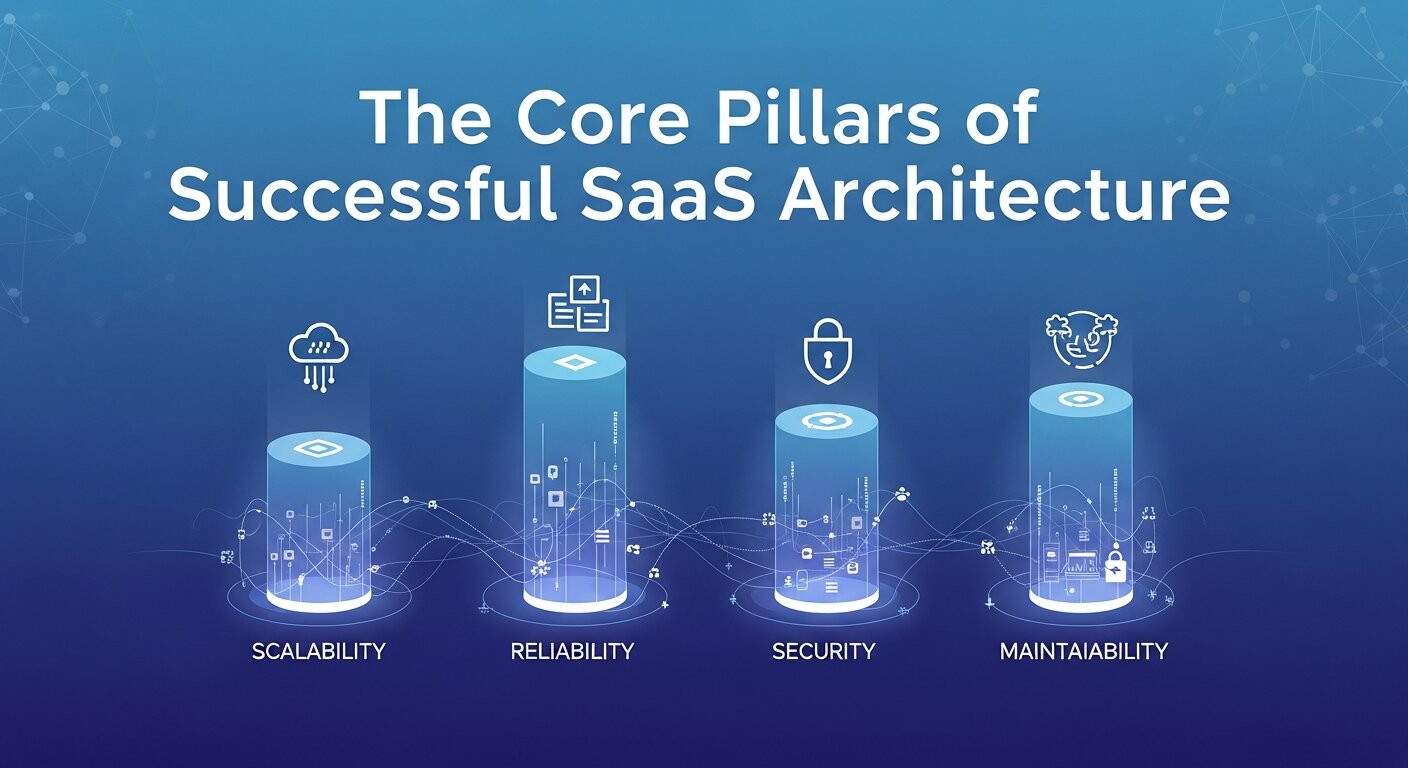 Building a reliable software-as-a-service platform starts with a solid foundation. If the underlying architecture is flawed, adding new features or onboarding new users will eventually cause the system to collapse. Developers must prioritize structural integrity from day one.
Multi-Tenancy and Resource Management
A defining characteristic of a SaaS application is multi-tenancy. This means a single instance of the software serves multiple customers, known as tenants. Efficient multi-tenancy architecture allows you to maximize resource utilization and keep operational costs low.
However, sharing resources requires careful management. Developers must ensure that one tenant’s heavy usage does not degrade the performance of the entire application. Implementing strict resource allocation limits and automated scaling protocols helps maintain a consistent experience for every user on the platform.
Microservices for Enhanced Agility
Legacy software was often built using a monolithic architecture, where all functions were tightly woven into a single codebase. Updating a monolithic application is risky because a small change to one feature can break an entirely unrelated part of the system.
Modern SaaS development services utilize microservices architecture. This approach breaks the application down into small, independent modules that communicate through application programming interfaces (APIs). If you need to update your payment gateway or add a new reporting tool, developers can modify those specific microservices without taking the entire application offline.
High Availability and Uptime Guarantees
Enterprise clients typically demand a 99.9% uptime guarantee before signing a software contract. Achieving this level of reliability requires eliminating single points of failure within your infrastructure.
Development teams achieve high availability by distributing application loads across multiple geographic servers. If a server in one region experiences an outage, traffic is automatically rerouted to a healthy server in a different location. This redundancy ensures that your users can always access the tools they need to run their businesses.
Prioritizing Security in SaaS Development
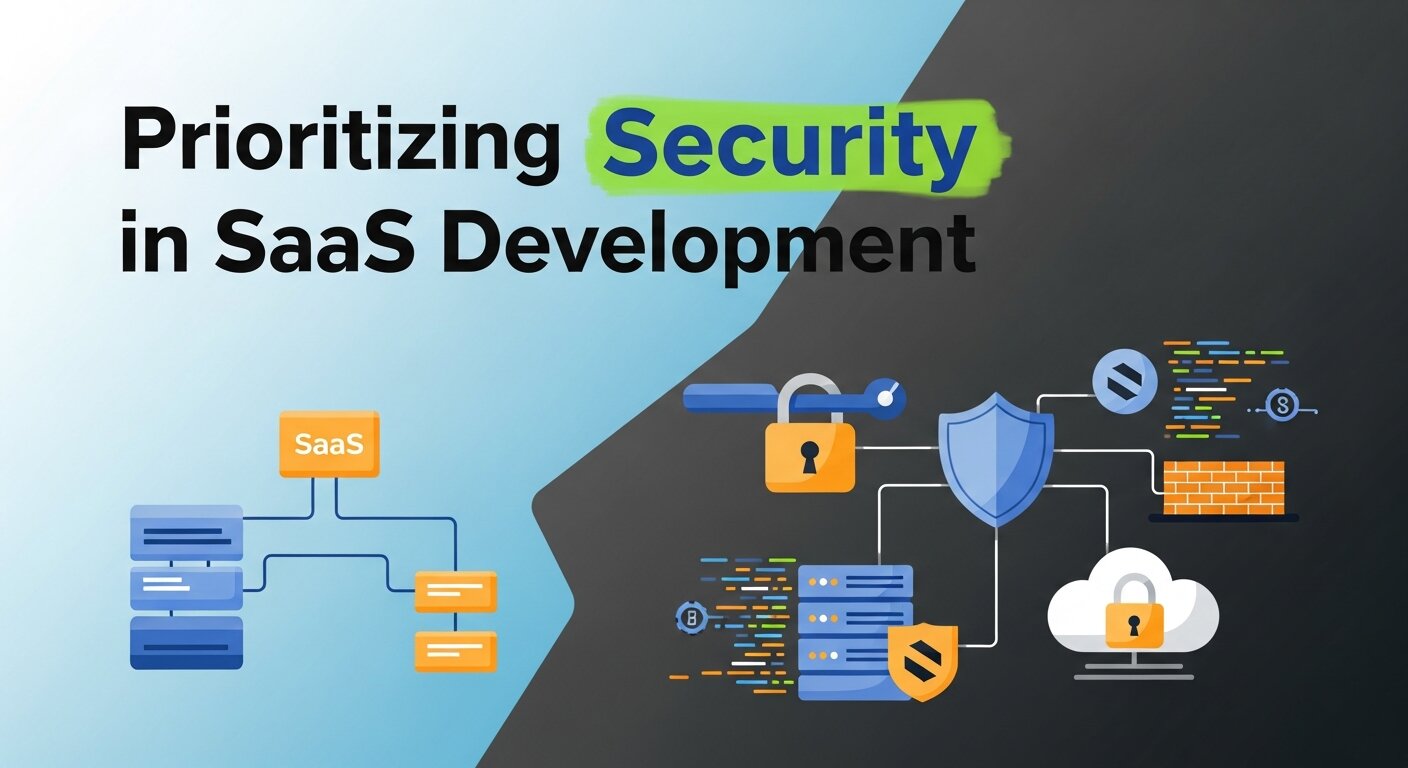 When customers upload their proprietary data to your platform, they are placing immense trust in your business. A comprehensive security strategy is not an optional feature; it is a fundamental requirement for market survival.
Advanced Data Encryption
Data must be protected in two distinct states: at rest and in transit. Data in transit refers to information moving between the user’s browser and your servers. Securing this pipeline requires robust protocols like Transport Layer Security (TLS) to prevent malicious actors from intercepting the data.
Data at rest refers to information stored within your databases. Top-tier SaaS development services ensure that all stored data is encrypted using advanced algorithms like AES-256. Even if a hacker manages to breach your database, the encrypted information will remain completely unreadable without the proper decryption keys.
Identity and Access Management (IAM)
Controlling who has access to your system is just as important as protecting the data itself. Implementing a comprehensive Identity and Access Management (IAM) framework prevents unauthorized access to sensitive application areas.
A reliable IAM strategy includes features like Multi-Factor Authentication (MFA), Single Sign-On (SSO), and Role-Based Access Control (RBAC). RBAC is particularly important for enterprise software, as it allows account administrators to restrict user permissions based on their specific job responsibilities.
Maintaining Regulatory Compliance
Software platforms that handle financial data, medical records, or personal customer information must adhere to strict government and industry regulations. Depending on your target market, your platform may need to comply with the General Data Protection Regulation (GDPR), the Health Insurance Portability and Accountability Act (HIPAA), or the Payment Card Industry Data Security Standard (PCI DSS).
Expert development agencies like SanMo BD understand how to map technical features to these complex regulatory frameworks. Building compliance features directly into the software from the beginning saves you from expensive retroactive audits and potential legal penalties.
The Role of Expert SaaS Development Services
Creating a secure, high-performing platform requires a diverse team of specialists, including cloud architects, backend developers, security engineers, and quality assurance testers. Hiring and managing this talent in-house is incredibly expensive and time-consuming.
Why Choose SanMo BD
Partnering with SanMo BD allows you to leverage decades of combined engineering experience without the overhead of a massive internal team. SanMo BD specializes in providing end-to-end SaaS development services, taking your product from initial concept to a successful market launch.
Their team focuses on aligning technical architecture with your specific business goals. Whether you are building a lightweight productivity tool or a complex enterprise resource planning system, SanMo BD applies proven engineering principles to ensure your platform is fast, secure, and ready to scale.
Continuous Integration and Deployment (CI/CD)
The most successful software companies release updates frequently and seamlessly. SanMo BD utilizes Continuous Integration and Continuous Deployment (CI/CD) pipelines to automate the testing and release of new code.
When a developer finishes a new feature, the CI/CD system automatically runs hundreds of automated tests to check for bugs and security vulnerabilities. Once the code passes these tests, it is automatically deployed to the live environment. This streamlined process allows businesses to respond to customer feedback quickly and outpace market competitors.
Scalability Planning and Future Growth
A successful SaaS platform must be designed with scalability in mind from the very beginning. While many businesses start with a small user base, rapid growth can quickly overwhelm an unprepared system. Developers need to build architectures that support both horizontal and vertical scaling to handle increased demand. Cloud platforms like AWS and Microsoft Azure provide auto-scaling capabilities, allowing resources to expand automatically during traffic spikes. This ensures consistent performance and prevents downtime. Without proper scalability planning, businesses may face costly redesigns later. Using flexible databases, load balancers, and distributed systems from the start creates a strong foundation that supports long-term growth and allows the application to evolve alongside user needs.
Performance Optimization Techniques
Performance plays a critical role in determining the success of a SaaS application. Users expect fast, responsive interfaces, and even minor delays can lead to frustration and abandonment. To optimize performance, developers implement caching solutions such as Redis and Content Delivery Networks (CDNs) to reduce server load and speed up content delivery. Efficient database queries, code optimization, and asynchronous processing also help minimize response times. Monitoring tools can identify bottlenecks and performance issues in real time, enabling quick fixes. A well-optimized system not only enhances user experience but also improves search rankings and customer retention. Investing in performance optimization ensures that your application remains competitive and reliable under varying workloads.
Data Backup and Disaster Recovery
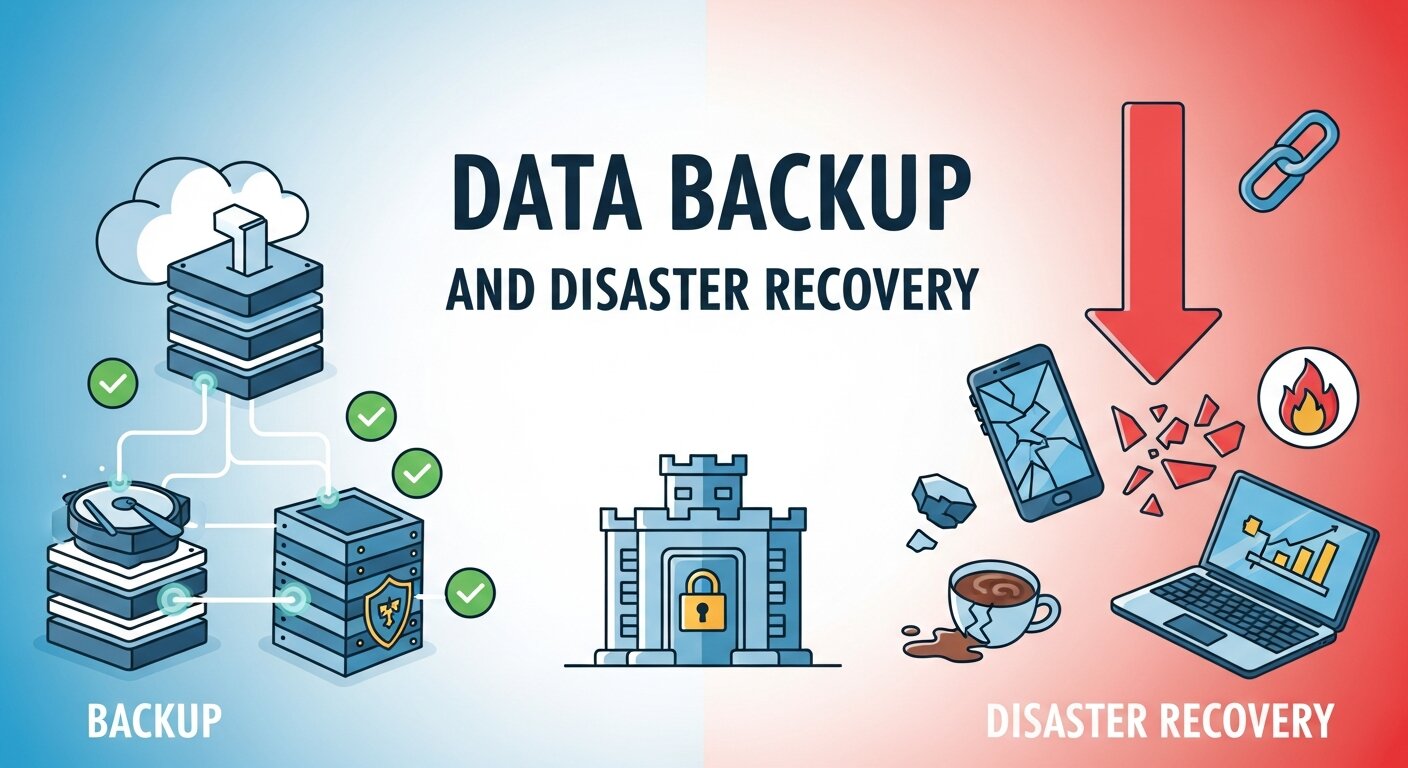 Data loss can have devastating consequences for any SaaS business. Whether caused by cyberattacks, system failures, or human error, losing critical data can damage customer trust and disrupt operations. A robust backup and disaster recovery strategy is essential to minimize risk. This includes automated backups, geographically distributed storage, and regular recovery testing. Cloud providers offer built-in redundancy features that ensure data remains accessible even during outages. Developers should also define recovery time objectives (RTO) and recovery point objectives (RPO) to guide response strategies. By preparing for worst-case scenarios, businesses can ensure continuity and quickly restore services without significant losses or downtime.
API Integration and Ecosystem Expansion
Modern SaaS platforms rarely operate in isolation. Integrating with third-party services enhances functionality and creates a more comprehensive user experience. APIs allow seamless connections with payment gateways, CRM systems, analytics tools, and more. Well-designed APIs should be secure, scalable, and easy to use for developers. Proper documentation and version control are also essential to maintain compatibility as the platform evolves. By building a strong integration ecosystem, businesses can offer added value to users and increase customer retention. Additionally, APIs open opportunities for partnerships and external developers to build on your platform, expanding your reach and creating new revenue streams.
User Experience (UX) and Interface Design
A powerful backend is meaningless without an intuitive and user-friendly interface. User experience (UX) design focuses on making applications easy to navigate, visually appealing, and efficient to use. Clear layouts, responsive design, and minimal loading times contribute to a positive experience. SaaS platforms should also be optimized for multiple devices, including smartphones and tablets. Conducting user testing and gathering feedback helps identify pain points and improve usability. Personalization features, such as dashboards tailored to user roles, further enhance engagement. A well-designed interface not only attracts new users but also encourages long-term adoption and reduces churn rates significantly.
Cost Management and Resource Efficiency
Managing operational costs is a critical aspect of running a SaaS platform. Cloud infrastructure can become expensive if resources are not used efficiently. Developers must monitor usage patterns and optimize resource allocation to avoid unnecessary expenses. Techniques such as serverless computing, containerization, and reserved instances can help reduce costs while maintaining performance. Automated scaling ensures that businesses only pay for the resources they actually use. Regular cost audits and performance reviews can identify inefficiencies and areas for improvement. By balancing cost and performance, companies can maximize profitability without compromising on quality or reliability.
Continuous Monitoring and Analytics
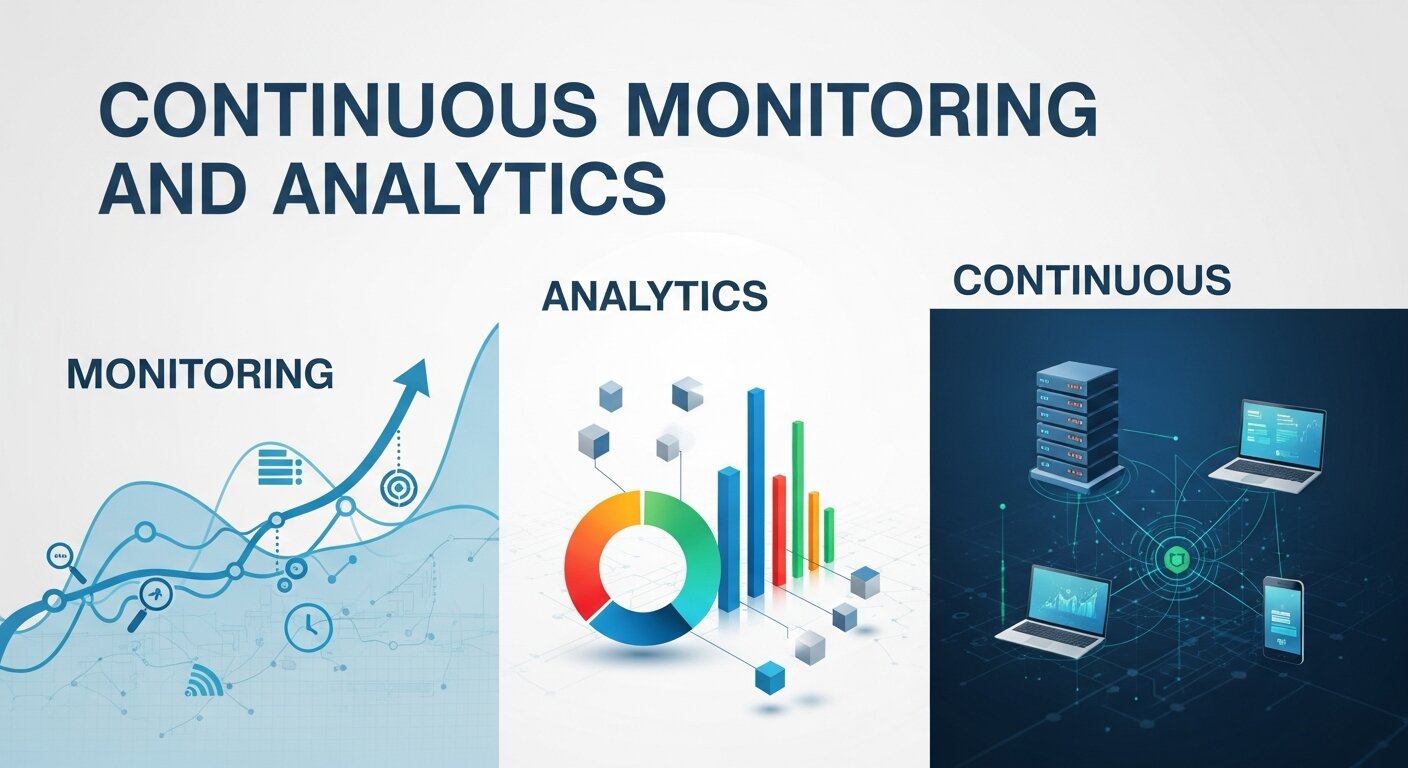 Continuous monitoring is essential to maintain the health and performance of a SaaS platform. Real-time analytics provide insights into user behavior, system performance, and potential security threats. Monitoring tools track key metrics such as response times, error rates, and server utilization. This data helps teams identify issues before they escalate into major problems. Analytics also play a crucial role in business decision-making by revealing usage patterns and customer preferences. By leveraging these insights, companies can improve features, enhance user satisfaction, and drive growth. A proactive monitoring strategy ensures that the platform remains stable, secure, and aligned with evolving user needs.
Frequently Asked Questions (FAQ)
What are SaaS development services?
SaaS development services encompass the entire process of planning, designing, building, and maintaining cloud-based software applications. These services include cloud infrastructure setup, API integration, database management, security implementation, and ongoing technical support.
How long does it take to build a SaaS platform?
The development timeline depends entirely on the complexity of the application. A basic Minimum Viable Product (MVP) can often be built in three to four months. A comprehensive enterprise platform with complex integrations and advanced machine learning features may take a year or more to fully develop.
How does SanMo BD ensure platform security?
SanMo BD integrates security into every phase of the development lifecycle. They utilize industry-standard data encryption, implement robust identity management protocols, and conduct extensive vulnerability testing before any code is deployed to a live environment.
Can an existing application be migrated to a SaaS model?
Yes. Many businesses choose to transition their legacy, on-premise software to a cloud-based SaaS model. This process involves refactoring the existing codebase to support multi-tenancy, updating the database architecture, and moving the infrastructure to a modern cloud provider like AWS or Microsoft Azure.
Take the Next Step in Your Software Journey
Building a software product that commands market share requires a delicate balance of visionary strategy and flawless technical execution. By prioritizing scalable architecture, uncompromising security, and automated deployment processes, you set the stage for long-term sustainable growth.
Choosing the right technical partner makes all the difference. With comprehensive SaaS development services from SanMo BD, you gain access to the engineering talent and strategic guidance necessary to bring your vision to life. If you are ready to build a secure, reliable platform that your customers will love, contact the experts at SanMo BD today to discuss your project requirements.